
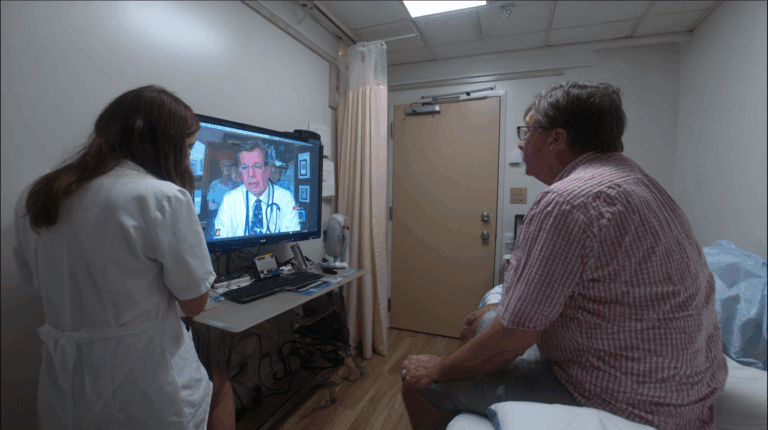

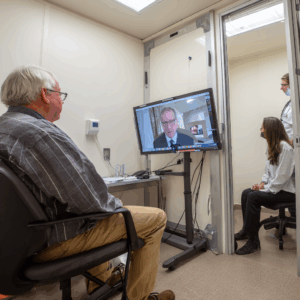
FQHCs serve over 30 million patients annually, many facing barriers like transportation challenges, long wait times, and stigma surrounding mental health treatment. Telepsychiatry for FQHCs delivers high-quality psychiatric care through secure video platforms directly from clinic spaces. Telepsychiatry enables FQHCs to deliver care and provide care to patients who might otherwise face barriers to accessing essential services.
In today’s healthcare landscape, telepsychiatry services for FQHCs (Federally Qualified Health Centers) are revolutionizing access to mental health care for underserved communities. A federally qualified health center is a specialized community-based clinic eligible for federal support and grant funding, serving uninsured and low-income populations. Federally qualified health centers, including FQHCs, serve as community health centers that deliver primary health care and behavioral health services to populations with limited access to care. The health center program, a federal initiative, provides essential support and funding to these centers. As safety net settings, FQHCs play a crucial role in supporting the community and improving access to care for those most in need. With psychiatrist shortages affecting rural and low-income areas, where up to 70% of FQHC patients reside, virtual mental health solutions like telepsychiatry offer a lifeline. Telepsychiatry is impacting healthcare delivery across the country, especially in rural and underserved areas, by expanding access to essential behavioral health services.
Before the COVID-19 pandemic, 30.4% of Federally Qualified Health Centers (FQHCs) delivered integrated behavioral health (IBH) care using telehealth strategies. As 96% of FQHCs now provide telehealth services, the adoption of telehealth surged during the COVID-19 pandemic, with almost all FQHCs surveyed using telecommunication to deliver IBH. Regulatory changes during this period created expanded opportunities for behavioral and mental health services, especially with increased coverage for Medicare and other programs. Before launching a telepsychiatry program, a needs assessment should be conducted to identify organizational and patient needs, ensuring the program is tailored to address specific challenges. One major challenge faced by FQHCs is meeting both the physical and mental health care needs of their patients, which requires close collaboration with psychiatric professionals to overcome these obstacles. FQHCs and telepsychiatry partnerships create innovative solutions and positive outcomes for mental health care. FQHCs can utilize telepsychiatry to address workforce shortages and expand their clinical teams. When it comes to the benefits of telepsychiatry for FQHCs, FasPsych stands out as the top telepsychiatry provider. Telepsychiatry continues to be a vital and integrated part of mental health care for FQHCs, supporting ongoing access and quality of care.
Introduction to Telepsychiatry
Telepsychiatry is transforming the landscape of mental health care by making high-quality psychiatric services accessible to patients in even the most remote and underserved areas. Through the use of secure videoconferencing technology, federally qualified health centers (FQHCs) and rural health clinics can connect patients directly with licensed psychiatrists and mental health specialists, regardless of geographic barriers. This innovative approach allows health centers to offer a full spectrum of mental health services, from psychiatric evaluations to ongoing medication management, all within the familiar setting of their local clinic.
For qualified health centers, telepsychiatry is more than just a convenience—it is a lifeline that addresses the urgent need for mental health care in rural communities. By increasing access to specialized care, telepsychiatry helps improve patient outcomes, reduce wait times, and ensure that individuals receive timely support for mental health conditions. As demand for mental health services continues to rise, telepsychiatry empowers FQHCs and rural health clinics to deliver quality care, expand their reach, and ultimately improve the well-being of the communities they serve.
The Compelling Benefits of Telepsychiatry and Behavioral Health Services for FQHCs
During the onset of the COVID-19 pandemic, 95.7% of FQHCs adapted to deliver integrated behavioral health (IBH) care via telecommunication methods. During the first year of the pandemic, 40% of all behavioral health services were delivered via tele-behavioral health (tele-BH). Telepsychiatry can provide a full spectrum of virtual services, including psychiatric evaluations, therapy, medication management, and patient education, ensuring comprehensive, reliable, and accessible care for diverse patient needs. As a comprehensive service, telepsychiatry helps overcome geographic and scheduling barriers, making care available to underserved populations. According to the American Telemedicine Association, telepsychiatry reduces no-show rates by 30-50% and boosts treatment adherence, leading to improved outcomes for conditions such as depression, anxiety, and PTSD. By integrating clinical care and mental healthcare with physical health services, telepsychiatry ensures quality care and helps FQHCs improve patient outcomes through a collaborative, team-based approach. This integration supports holistic care by enabling a person-centered, comprehensive approach that addresses multiple aspects of a patient’s well-being. This allows providers to focus on delivering care to their communities without being distracted by administrative or technological burdens.
Key advantages include:
- Enhanced Accessibility: Overcomes geographic isolation, with FQHCs in rural areas seeing up to 60% increased access to care
- Cost Efficiency: Yields a $4 return on every $1 invested in mental health services through higher productivity and reduced emergency visits
- Scalability: Supports hybrid models, aligning with FQHC goals for better care, population health, and lower costs, and can be optimized within various health systems to improve care delivery and prevent provider burnout.
Telepsychiatry also supports access to specialty care, helps FQHCs navigate insurance plans, and assists in meeting quality measures required for comprehensive behavioral health services such as telepsychiatry benefits. Additionally, it provides timely consultations for complex cases, supporting primary care teams and ensuring appropriate guidance for patients, which enhances the overall quality of care. Telehealth partnerships are essential for creating integrated care settings, acting as a vital connection between psychiatry and primary care to improve patient outcomes. The use of telepsychiatry can help FQHCs manage chronic pain and co-occurring conditions more effectively.
The post-pandemic era has solidified telepsychiatry as a standard and delaying adoption risks exacerbating mental health crises, including 45% higher suicide rates in rural communities.
How Telepsychiatry Works in FQHC Settings
Telepsychiatry has become a cornerstone of behavioral health services in Federally Qualified Health Centers (FQHCs), empowering these organizations to expand access to mental health care for underserved populations. By leveraging advanced telehealth services, FQHCs can connect patients with licensed psychiatrists and behavioral health providers, ensuring that even those in rural areas or with limited mobility receive the psychiatric services they need. Telepsychiatry enables patients to connect directly with mental health professionals through secure videoconferencing, providing immediate and seamless access to care.
The telepsychiatry model in FQHC settings is built around secure videoconferencing technology and strategic provider matching. This approach ensures that patients are paired with fully credentialed psychiatrists and behavioral health specialists who are best suited to address their unique needs. Through this model, FQHCs can offer a broad spectrum of behavioral health care, including psychiatric evaluations, medication management, and specialty care for mental illness and substance abuse.
Implementing telepsychiatry services begins with a thorough assessment of the health center’s technology infrastructure. Seamless integration with existing electronic health records (EHR) systems is essential, allowing providers to document care directly and maintain continuity across the care team. FQHCs also benefit from partnering with telehealth organizations that bring deep expertise in behavioral health and a commitment to delivering exceptional care. Working with a reputable organization that has the credentials and a robust network ensures high-quality behavioral health services and the ability to scale effectively.
Once the foundation is in place, FQHCs can provide telepsychiatry services either directly or in collaboration with primary care providers. This integrated approach enables health centers to expand their reach, increase access to specialty care, and improve patient satisfaction. Patients benefit from timely access to behavioral health services, while providers can more effectively manage medication and coordinate treatment plans.
Telepsychiatry also plays a critical role in helping FQHCs meet quality measures for behavioral health care. By increasing access to mental health services and supporting the management of complex conditions, FQHCs can demonstrate improved patient outcomes and compliance with federal standards. This model is especially valuable for serving children, families, and individuals facing substance abuse challenges, as it provides access to specialized care and ongoing support.
Ultimately, telepsychiatry enables FQHCs to address the urgent need for mental health care in rural and underserved communities. By embracing telehealth services and partnering with experienced providers, qualified health centers can deliver high-quality, patient-centered care that improves outcomes and supports the well-being of the populations they serve.
Why FasPsych is the Premier Choice for Telepsychiatry Services in FQHCs
FasPsych’s telepsychiatry services are custom-built for organizations such as FQHCs, hospitals, and clinics, focusing on underserved populations in rural and tribal areas. Their HIPAA-compliant platform integrates seamlessly with EHR systems like Epic and Cerner, ensuring workflow continuity without added logins. The platform is designed with full HIPAA compliance and security in mind. FasPsych’s team can assist FQHCs with documentation, credentialing, and technical support to streamline telehealth operations, including offering an employee assistance program (EAP) for mental health support and billing. FasPsych also assists organizations in establishing panel agreements with payers, such as insurance companies or health plans, to ensure proper billing and reimbursement.
Standout features for FQHC telepsychiatry include:
- FQHC-Tailored Expertise: Board-certified psychiatrists and nurse practitioners handle assessments, medication management, and crisis intervention, with cultural competency for diverse groups like Spanish-speaking or LGBTQ+ patients.FasPsych’s providers are experienced in treating patients in FQHC settings and can provide psychiatric evaluations as part of integrated care.
- Flexible Scheduling: 24/7 availability enables same-day appointments, cutting wait times from months to days—vital for the 1 in 3 FQHC patients needing urgent care.
- Proven Results: Partners report 85% patient satisfaction and high clinician retention for consistent care, following APA guidelines. Learn more about the best telepsychiatry provider for community mental health centers.
FasPsych supports both virtual and co-located care models, giving FQHCs the flexibility to integrate behavioral health services in the way that best fits their needs. The team works closely with FQHC staff during onboarding and implementation to ensure a smooth transition and ongoing collaboration. These collaborative efforts are ultimately leading to improved patient outcomes and satisfaction for FQHCs. FasPsych provides resources such as webinars, toolkits, and guidelines to support organizations in implementing and optimizing telepsychiatry.
Unlike broad telehealth providers, FasPsych prioritizes compassionate, evidence-based virtual mental health care, trusted by nearly 130 organizations nationwide. FasPsych’s ability to support FQHCs extends to helping them meet federal requirements for services administration and compliance, including EHR integration and reporting. Achieving the Joint Commission’s Gold Seal is recognized as a mark of quality and safety in telepsychiatry services, demonstrating FasPsych’s commitment to high standards and patient care. Payment parity is critical for telehealth because it ensures coverage for tele-BH services is equivalent to in-person services. FQHCs should advocate for payment parity and long-term reimbursement security for telehealth services to ensure telepsychiatry sustainability and continued access to care.
Technology and Infrastructure: Building a Seamless Telepsychiatry Experience for FQHCs
For federally qualified health centers (FQHCs), the backbone of successful telepsychiatry services is a robust technology and infrastructure strategy. As FQHCs strive to expand access to behavioral health and mental health services for underserved populations, investing in the right tools and systems is essential for delivering exceptional care and improving patient outcomes. Clear, consistent workflows should be created for all aspects of telepsychiatry care, including scheduling and patient onboarding. FQHCs should develop patient-centered workflows for scheduling appointments and check-ins to enhance the telepsychiatry experience. In addition, a variety of resources such as toolkits, guidelines, and technical assistance centers are available to help FQHCs build and maintain robust telepsychiatry infrastructure.
A seamless telepsychiatry experience begins with reliable, user-friendly video conferencing software. This technology enables licensed psychiatrists, psychiatric nurse practitioners, and licensed clinical social workers to provide direct patient care, conduct psychiatric evaluations, and deliver treatment to patients regardless of their location. For FQHCs serving rural health clinics and communities with limited access to behavioral health providers, high-quality video connections are vital for bridging the gap in mental health care.
Integration with electronic health records (EHRs) is another cornerstone of effective telepsychiatry. By allowing providers to document directly into patient records during virtual visits, FQHCs can ensure that all members of the care team—primary care providers, behavioral health specialists, and support staff—have real-time access to critical health information. Telepsychiatry can facilitate better care continuity through remote monitoring and follow-up appointments. This seamless integration supports coordinated care, enhances patient engagement, and helps FQHCs meet important quality measures.
FasPsych is a leader in aiding FQHCs through potential bottlenecks – broadband access is a critical infrastructure component, especially for FQHCs operating in rural health settings. Reliable internet connectivity ensures that telehealth services run smoothly, minimizing disruptions and supporting high-quality video conferencing. Security and privacy are paramount in telepsychiatry. FQHCs must ensure that all technology platforms, from video conferencing software to EHR systems, are HIPAA compliant and meet rigorous data protection standards. This commitment to security not only safeguards patient information but also builds trust and confidence in telepsychiatry services.
Ultimately, the telepsychiatry model empowers FQHCs to deliver integrated, high-quality behavioral health care. By working closely with primary care providers and leveraging advanced technology, FQHCs can provide psychiatric services that are fully embedded within the care team. This approach supports exceptional care, improves patient satisfaction, and ensures that FQHCs continue to meet the evolving needs of their communities. Patients and providers frequently prefer tele-BH, enhancing access to care and improving patient satisfaction. As the demand for mental health services grows, ongoing investment in technology and infrastructure will be key to sustaining and expanding access to behavioral health for all patients.
Quality and Accreditation in Mental Healthcare
Quality and accreditation are foundational to delivering exceptional mental health care in FQHCs and rural health clinics. Achieving recognition such as the Joint Commission’s Gold Seal of Approval signals a health center’s dedication to meeting rigorous quality measures and providing outstanding patient care. By partnering with accredited telehealth providers, health centers can ensure that their patients receive services that adhere to the highest standards of safety, effectiveness, and professionalism.
Continuous quality improvement is at the heart of successful telepsychiatry programs. Health centers regularly monitor patient outcomes, medication adherence, and patient satisfaction to identify opportunities for enhancement and to maintain compliance with industry best practices. This focus on quality not only improves patient outcomes but also builds trust within the community, reinforcing the health center’s reputation for delivering exceptional care. By prioritizing accreditation and ongoing quality initiatives, FQHCs and rural health clinics can confidently offer mental health services that make a meaningful difference in the lives of their patients.
Partnerships and Collaborations with Community Health Centers
Effective partnerships between community health centers, FQHCs, and telehealth providers are essential for expanding access to comprehensive mental health care. These collaborations enable primary care providers to focus on holistic patient care while leveraging the expertise of mental health specialists to address complex behavioral health needs. By integrating telepsychiatry services into existing workflows, health centers can ensure seamless communication and coordinated care across the entire provider team.
Telehealth partnerships also play a crucial role in improving mental health outcomes and addressing the unique challenges faced by rural communities. By working together, health centers and telepsychiatry providers can expand access to behavioral health services, reduce disparities, and support patients in achieving better health outcomes. These collaborations help address social determinants of health, ensuring that every patient—regardless of location—has access to the quality mental health care they deserve. Through strong partnerships, community health centers can continue to deliver exceptional care and foster healthier, more resilient communities.
Overcoming Common Telemedicine Concerns for FQHCs
Worried about technical hurdles or privacy in telepsychiatry for FQHCs? FasPsych’s end-to-end encrypted platform includes free 24/7 support, with 92% of providers reporting no major issues post-setup. For low-tech patients, options like phone backups ensure inclusivity.
Addressing Cost Barriers and Improving Patient Outcomes in FQHC Telepsychiatry Adoption
FQHCs thrive on tight budgets, but FasPsych’s pay-per-encounter model eliminates upfront fees and long-term contracts. Clinics save 40-60% versus hiring full-time psychiatrists (averaging $250K annually), while increasing billable visits under FQHC PPS.
Telepsychiatry for FQHCs with FasPsych isn’t optional—it’s a pathway to equitable care. Schedule a demo at FasPsych’s Partner with Us page to start transforming your services today.
FAQ: Telepsychiatry for FQHCs with FasPsych
What are the main benefits of telepsychiatry services for FQHCs?
Telepsychiatry enhances access, reduces no-shows by 30-50%, and delivers $4 ROI per $1 invested, per industry data.
How does FasPsych integrate with FQHC workflows?
FasPsych offers seamless EHR integration and customizable care plans, with no workflow disruptions.
Is telepsychiatry cost-effective for FQHCs?
Yes—pay only for used time, saving 40-60% over in-person hires, with revenue gains from more visits.
What about privacy in virtual mental health care?
FasPsych uses HIPAA-compliant, encrypted platforms.
How quickly can FQHCs implement FasPsych telepsychiatry?
Onboarding can take as few as two weeks, with live support for rapid rollout.