
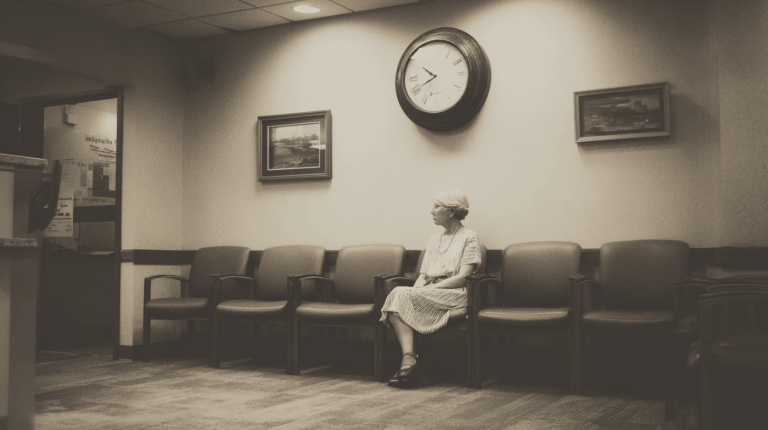

Many psychiatric practices are stuck in the past, relying on outdated models that lead to long wait times and fragmented care, leaving patients struggling with mental health crises.
In today’s fast-evolving healthcare landscape, many beliefs about running medical offices and psychiatric treatment resemble Jean Baudrillard’s concept of simulacra, where the map—or in this case, the preconceived plan and belief system—precedes and shapes the reality it supposedly represents. Mental health providers often operate under outdated models of treatment and office management, adhering to methods they think should work based on tradition or theory, without scrutinizing the actual outcomes for their practices and clients. This hyperreal approach detaches from empirical reality, leading to inefficiencies and suboptimal care. Imagine waiting weeks or even months for a psychiatric appointment while grappling with anxiety, depression, or a mental health crisis—only to find that outdated systems are holding back the psychiatric care you desperately need. For millions, the prevalence of mental illness and the impact on those with unmet mental health needs make these delays even more devastating. The mental health care crisis is further compounded by growing mental health issues and a widening gap in psychiatric care, leaving many without timely support.
The COVID-19 pandemic accelerated the adoption of telepsychiatry, pushing providers and patients to embrace remote care solutions out of necessity.
Outdated models also place significant strain on primary care providers, who often struggle to meet the mental health needs of their patients due to limited access to psychiatric expertise. In an era where telepsychiatry and telemedicine offer instant, accessible solutions for mental health telemedicine, why are so many practices still clinging to archaic models, much like the post-World War II cargo cults that mimicked rituals without understanding true progress? This article explores the pitfalls of resisting innovation and how embracing telepsychiatry can transform patient outcomes, highlighting telepsychiatry benefits, online therapy, and virtual mental health care.
The Cargo Cult Phenomenon: A Lesson in Misplaced Expectations
Post-World War II cargo cults on Pacific islands arose from islanders mimicking Allied soldiers’ rituals—building mock airstrips and radios—in hopes of summoning back the “cargo” of supplies that had vanished with the troops. This stemmed from a misunderstanding: replicating superficial actions without grasping the underlying global systems of logistics and technology. It underscores how expecting success from outdated processes ignores the evolution of the world around us.
Clinging to the Past: A Historical Pattern of Technological Stagnation
History is rife with examples of societies using obsolete tools while anticipating better results. From ancient farmers sticking to stone tools amid the Iron Age to early 20th-century businesses resisting electrification, the failure to adapt leads to inefficiency and decline. Systems that once thrived become irrelevant as contexts shift, emphasizing that true progress demands evolution, not repetition.
Similarly, in mental health care, telepsychiatry and mental health care telehealth have emerged as essential solutions, especially for individuals facing mobility challenges or physical disabilities. By enabling remote access to care, these technologies help overcome barriers that prevent many from attending in-person appointments. Virtual appointments can ease anxiety for patients who may feel intimidated by visiting a clinical setting.
Outdated Practices in Modern Medicine: The Cargo Cult Parallel
In medicine, this cargo cult mentality manifests when practitioners rely on technologies and processes from 20-30 years ago, expecting unchanged efficacy. Antibiotics, once revolutionary, now combat widespread resistance due to overuse, making old prescribing patterns risky. Surgical advancements like robotic-assisted procedures have eclipsed traditional methods, reducing recovery times and complications—yet some doctors persist with familiar techniques, leading to suboptimal results.
Medications and treatments have evolved dramatically: older broad-spectrum drugs have been replaced by precision therapies, such as monoclonal antibodies for autoimmune diseases or gene-editing tools like CRISPR for genetic disorders. However, the field of mental health continues to face significant challenges due to limited human resources, with shortages and uneven distribution of psychiatrists, psychologists, and psychiatric nurses. This has driven the need for integrating mental health into primary care, where primary care providers collaborate with specialists and utilize innovative approaches to improve accessibility and service delivery. Telemedicine services, including telemental health services, are now being used to improve early detection and treatment of behavioral health conditions, supporting coordinated care and expanding access through telehealth frameworks. Clinging to past “best practices” without adapting to new evidence mirrors cargo cult rituals, where the form is preserved but the function fails in a changed landscape
Psychiatry’s Evolution: Embracing Telepsychiatry and Telemedicine Over Obsolete Models
Psychiatry exemplifies this shift, where rejecting innovations like telemental health—including telepsychiatry and telemedicine—is akin to cargo cultists denying the need for real aviation infrastructure while bemoaning absent planes. Traditional models—long wait times for in-person visits or phone-only consults—no longer suffice in a world demanding immediate, flexible care. Telepsychiatry, delivering psychiatric services via video conferencing, has proven to enhance access and quality, especially for behavioral health in underserved and distant locations, making it a key service in mental health telemedicine. Telehealth sessions and therapy sessions offer patients the convenience and flexibility to access care from virtually anywhere, fitting mental health support into their daily lives. Patients consistently report high satisfaction with telehealth services and prefer the convenience it offers. Telepsychiatry connects patients in rural or underserved areas with specialists that would otherwise be unavailable, bridging critical gaps in care. It is used to treat mental health conditions, offer group therapy, prescribe medications, and provide medication management. Patients can now attend therapy remotely, often from their own space, making it easier to receive mental health care without the barriers of travel or scheduling conflicts. Telepsychiatry also plays a role in mental health education, improving care and clinical outcomes, and has demonstrated better outcomes in research studies. The global reach of telemental health, powered by digital technologies and new apps, has the potential to impact over a billion people, including those in middle income countries, by addressing mental ill health and expanding access to care.
Advancements in diagnostic tools, such as functional magnetic resonance imaging (fMRI) for mapping brain activity in disorders like schizophrenia, and machine learning for precision psychiatry, have revolutionized understanding and treatment. It is also integrated into emergency department workflows for acute care. New treatments, including transcranial magnetic stimulation (TMS) and ketamine infusions for treatment-resistant depression, offer alternatives to outdated pharmacotherapies. For optimal patient health, it’s vital to appreciate why past methods succeeded—structured, empathetic interactions—but recognize their limitations today, such as inaccessibility amid rising mental health demands post-COVID, where telepsychiatry benefits shine. Privacy and security of electronic communications remain paramount in telepsychiatry, ensuring patient confidentiality and data protection. Telehealth sessions are designed to be secure and private, using encrypted platforms to protect personal health information. Telepsychiatry makes seeking support more approachable for individuals who might otherwise avoid care, offering a private and accessible way to receive mental health care.
The Role of Electronic Health Records (EHRs)
Furthermore, the adoption of Electronic Health Records (EHRs) has played a pivotal role in dismantling the silo effect that previously isolated psychiatric information from broader medical care. By promoting interoperability and enabling seamless data sharing across multidisciplinary teams, EHRs integrate mental health records with physical health data, fostering holistic treatment plans that address comorbidities more effectively. Ensuring compliance with the accountability act and health insurance portability is essential for protecting sensitive medical information during this process. Telehealth platforms further support privacy and security by adhering to the portability and accountability act, providing a secure environment for confidential remote psychiatric care. This breakdown of informational barriers has brought psychiatry into the full continuum of care, allowing for better coordination, reduced duplication of efforts, and improved patient outcomes through comprehensive, team-based approaches in virtual mental health.
AI’s Transformative Impact
Artificial intelligence is further transforming this landscape by automating clinical documentation, such as medical care notes, using natural language processing to transcribe and summarize interactions in real-time, reducing errors and administrative burdens. Artificial intelligence also enables advanced data analysis and predictive models to identify mental health conditions and improve support systems. This allows providers to focus on patient care, improving experiences through better eye contact and personalized plans, while optimizing reimbursement with accurate coding and fewer claim denials (up to 20% reduction). Future implications include voice-enabled AI and predictive analytics, enhancing efficiency in mental health settings and online therapy. These technologies are significantly enhancing mental health treatment and healthcare services by enabling more personalized, effective, and accessible care for patients. Mobile health technologies can enhance the delivery of telepsychiatry services by offering remote monitoring and assessment options, further expanding the scope and effectiveness of virtual mental health care.
Telemedicine stands as the cornerstone technology, enabling real-time consultations that reduce barriers like geography and stigma. In contrast, the old outpatient model fosters delays and inefficiencies. Practices mired in these outdated systems should transition to modern solutions like , which specializes in telepsychiatry staffing to integrate seamless virtual care. Telepsychiatry also provides a greater sense of anonymity, which can encourage individuals to seek help who might otherwise avoid traditional in-person consultations due to stigma or privacy concerns.
Old vs. New Practices in Psychiatry: A Comparative Analysis
To illustrate the advantages of modern approaches in telepsychiatry vs traditional psychiatry, the table below compares select old practices in psychiatry with their innovative counterparts, highlighting how the new methods yield superior results in terms of efficacy, accessibility, and patient outcomes.
| Old Practice | New Practice | Better Results of the New Practice |
|---|---|---|
| Traditional in person visits only for outpatient care with long wait times (e.g., 4-6 weeks for initial appointments) | Telepsychiatry via video consultations for immediate or same-day access | Reduces no-show rates by up to 50%, increases treatment adherence, and improves outcomes in rural areas where access was previously limited, leading to faster symptom relief and lower hospitalization rates. |
| Symptom-based diagnosis relying solely on patient interviews and checklists | Neuroimaging tools like fMRI and EEG for brain activity mapping | Enhances diagnostic accuracy by 20-30% for conditions like ADHD or depression, enabling targeted interventions that reduce misdiagnosis and trial-and-error treatments, resulting in better long-term recovery. |
| Phone-only consults or limited follow-ups without digital integration | Telemedicine platforms with integrated apps for mood tracking and AI-assisted monitoring | Boosts patient engagement through real-time data sharing, leading to 25% improvements in symptom management and proactive interventions, preventing crises more effectively than sporadic phone check-ins. |
Telepsychiatry significantly improves access psychiatric care, especially for underserved populations who previously faced barriers to timely mental health services, aligning with evidence-based evolution rather than ritualistic repetition in telemedicine mental health.
Advancing Care: Medication-Assisted Treatment and Medication Management for Substance Use Disorders
In substance use disorders (SUD), outdated abstinence-only models often led to high relapse rates by ignoring addiction’s chronic brain disease nature. Today, Medication-Assisted Treatment (MAT) combines FDA-approved medications (e.g., buprenorphine for opioids) with counseling for holistic care. Telepsychiatry amplifies MAT’s efficacy through remote monitoring, improving retention (up to 50% better), reducing overdoses, and enhancing adherence in rural areas. This tech-enabled approach supports recovery far better than stigmatized, traditional methods, showcasing telepsychiatry trends in 2025.
Key Changes in Psychiatry Over the Last 20-30 Years
Psychiatry has transformed profoundly since the mid-1990s. Here are notable advancements in telepsychiatry trends:
- Widespread Adoption of Telepsychiatry and Telemedicine: From niche to mainstream post-2020, improving access in underserved areas.
- Neuroimaging Breakthroughs: Routine use of fMRI and EEG for precision diagnostics since the late 1990s.
- Precision Psychiatry via Machine Learning: AI for personalized predictions, accelerating since the 2010s.
- New Pharmacotherapies: Atypical antipsychotics and rapid antidepressants like esketamine, shifting from traditional SSRIs.
- Neuromodulation Techniques: FDA approvals for TMS (2008) and deep brain stimulation.
- Genetic and Biomarker Testing: Pharmacogenomics reducing trial-and-error since the early 2000s.
- Psychedelic-Assisted Therapies: Research resurgence in MDMA and psilocybin for PTSD and depression.
- Digital Therapeutics: Apps and online CBT platforms, FDA-cleared in the 2010s.
- Integrated Care Models: Collaborative care with primary physicians via telemedicine.
- Equity and Access Focus: Policies reducing disparities, amplified by COVID-19.
- AI-Driven Diagnostics and Documentation: Tools for early detection and automated notes, advancing in the 2020s.
Primary Care Integration: Bridging the Gap for Holistic Mental Health
Integrating telepsychiatry into primary care settings is revolutionizing the way mental health care is delivered. By fostering close collaboration between mental health professionals and primary care providers, this approach ensures that patients receive comprehensive, high quality psychiatric care without the need to attend in person appointments at a separate mental health clinic. Telepsychiatry services make it possible to address a wide range of mental health issues—including attention deficit hyperactivity disorder, substance use disorders, and post traumatic stress disorder—right within the primary care environment.
This seamless integration not only streamlines medication management and treatment plans, but also leads to improved health outcomes and higher patient satisfaction. Patients benefit from timely access to psychiatric care, while healthcare systems can more effectively coordinate services and resources. The American Medical Association has recognized the value of this model, and many healthcare systems are now adopting integrated telepsychiatry to transform the healthcare landscape. By breaking down traditional barriers, primary care integration is making mental health care more accessible, holistic, and effective for individuals and communities alike.
Telepsychiatry in Emergency Settings: Breaking Barriers in Crisis Care
When a mental health crisis strikes, every minute counts—yet many emergency departments across the country struggle to provide timely, specialized care. This challenge is even more acute in rural areas, where access to mental health professionals is often scarce and patients may wait hours, or even days, for appropriate treatment. Traditional models simply can’t keep up with the growing demand for mental health services in these high-pressure environments.
Telepsychiatry provides emergency mental health support when patients cannot physically access a healthcare facility, ensuring they still receive timely care during a crisis.
Enter telepsychiatry: by harnessing the power of telecommunications technology and secure videoconferencing, mental health professionals can now deliver expert remote treatment directly to patients in emergency departments and emergency rooms, no matter how distant the location. This innovative approach is breaking down long-standing barriers, allowing health services to rapidly connect patients with the care they need—when they need it most.
Telepsychiatry in emergency settings not only increases access to quality mental health services, but also streamlines the assessment and treatment process. Patients benefit from faster psychiatric evaluations, timely interventions, and coordinated follow-up care, all without the delays associated with transferring to distant facilities. For health professionals, this technology means more efficient triage, reduced overcrowding, and the ability to serve more patients with limited resources.
By integrating telepsychiatry into emergency departments, hospitals are transforming crisis care—delivering life-saving mental health support to communities that have long been underserved. This is a clear example of how embracing new technology can lead to better health outcomes, improved patient satisfaction, and a more resilient healthcare system for all.
Locum Tenens as Old Technology: The Cargo Cult of Expecting Success – Embrace FasPsych as the New Frontier
The cargo cult “old way” of doing things in psychiatric staffing is exemplified by relying on locum tenens firms—temporary, in-person providers—instead of integrating telepsychiatry. Expecting success with these old locum tenens practices is quintessential cargo cult behavior: clinging to outdated rituals like travel-dependent hires and fragmented care, hoping for seamless results while the world evolves around you. This antiquated approach, burdened by high costs, disruptions, and lack of continuity, fails to harness modern innovations, much like mock airstrips ignoring aviation advancements. In contrast, FasPsych represents the cutting-edge technology of telepsychiatry, delivering scalable, virtual solutions that are the current and future standard—don’t let this transformative tech pass you by. Here are the top 5 reasons to switch to FasPsych’s innovative model for telepsychiatry benefits:
- Enhanced Flexibility and Scalability: Virtual staffing allows on-demand adjustments without travel logistics, ideal for fluctuating patient volumes in online psychiatry.
- Cost-Effectiveness: Pay only for hours used with no upfront fees, contrasting the higher overhead of traditional in-person locums.
- Seamless EHR Integration: Direct compatibility with existing systems ensures smooth workflows, unlike the disruptions from temporary staff.
- Continuity of Care: Builds long-term provider relationships for consistent treatment, reducing the fragmentation common in locum tenens.
- Expanded Access via Telemedicine: Reaches rural and underserved patients through secure video platforms, boosting overall practice reach and outcomes in virtual care.
Patient Preparation: Setting Expectations for a Successful Telepsychiatry Experience
A positive telepsychiatry experience begins with proper preparation. Patients should be guided on how to use the telehealth platform, including setting up their device, ensuring a stable internet connection, and finding a quiet, private space for their session. Mental health providers play a key role in setting clear expectations, addressing any technical concerns, and encouraging open communication.
Patients are encouraged to ask questions, share their concerns, and provide feedback throughout the process. This proactive approach helps individuals feel more comfortable and confident during their virtual appointments, leading to more effective mental health care. By preparing patients for what to expect, providers can help ensure that each telepsychiatry session is productive, supportive, and tailored to the patient’s needs.
FAQ: Switching to Telemedicine with FasPsych
Switching to telemedicine and telepsychiatry can seem daunting, but aligning with a provider like FasPsych ensures a smooth transition focused on patient outcomes. Here are answers to common questions based on insights into goal misalignments and best practices in telepsychiatry staffing.
Why should I review my current telepsychiatry partnership? Failing to periodically review partnerships, even if you’re satisfied, can result in higher costs, outdated methods, or missed innovations like AI-driven scheduling. Regular evaluations ensure alignment with evolving needs and prevent stagnation.
What are the consequences of misaligned goals in telepsychiatry? Misalignments cause inefficiencies, higher costs, and reduced patient outcomes, including emergency room bottlenecks, increased readmissions, and over-reliance on expensive locum tenens due to inadequate flexibility.
How can FasPsych help align goals for better telepsychiatry outcomes? FasPsych aligns with facility goals through flexible, scalable solutions that emphasize patient access, cost reduction, and compliance. With 24/7 on-demand licensed providers and customizable services, it delivers a $4 ROI per $1 invested while supporting growth and quality care.
What makes switching to FasPsych easy and seamless? FasPsych offers no sign-up fees, quick setup, and seamless EHR integration with 24/7 tech support. Transitions are managed with grace, including tailored migration plans, end-to-end encryption, and dedicated providers to minimize disruptions and build lasting patient relationships.
What benefits does FasPsych offer over traditional staffing models? Unlike some purely revenue-focused firms, FasPsych provides pay-by-visit or hour models, compliance with HIPAA and APA standards, and innovations like remote rounding and crisis interventions to focus on patient well being. Established in 2007, it excels in work-life balance and virtual mental health staffing.
How do I get started with FasPsych for telemedicine? Contact FasPsych for a free consultation at https://faspsych.com/partner-with-us/ or call (877) 218-4070 to explore how their solutions can enhance your practice’s telepsychiatry alignment and performance.
Moving Beyond the Cargo Cult: The Efficacy of FasPsych
Transitioning to FasPsych represents shedding cargo cult illusions—focusing not on mimicking old rituals but on proven, modern efficacy. By leveraging telepsychiatry and telemedicine, practices unlock better patient results, operational efficiency, and alignment with psychiatry’s rapid evolution. In 2025, embracing these tools isn’t optional; it’s essential for thriving in a dynamic healthcare landscape, especially with rising demand for mental health telemedicine and online therapy. Notably, 43 states and Washington, D.C. have laws to govern private payer reimbursement for telehealth services, including telepsychiatry, ensuring financial viability for practices adopting these innovations. Learn more about the future of telepsychiatry.
Get a free consultation on how to integrate technology and the latest innovations through FasPsych by going to https://faspsych.com/partner-with-us/ or calling (877) 218-4070 for more information today.