


Virtual access to mental health services provides critical psychiatric care for rural communities across America. This form of virtual care enables rural clinics to deliver mental health treatment seamlessly through telemedicine technology. Rural healthcare faces unique challenges, especially those encountered by critical access hospitals and emergency departments, which often have limited resources and heightened needs for specialized psychiatric support. Mental health services are often limited in provider-based clinics located outside of urban areas, making telepsychiatry an essential solution to bridge this gap. The American Psychiatric Association (APA) provides official guidelines, resources, and toolkits to support telepsychiatry and telemental health practices, especially for rural and remote areas, and plays a key role in establishing best practices for behavioral health services via telehealth platforms.
What is telepsychiatry, and how does it benefit rural populations? 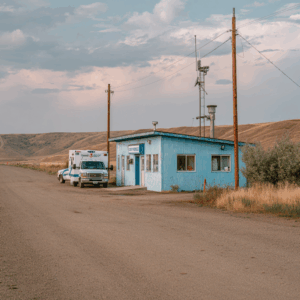
What telepsychiatry is is a rapidly growing technology that meets an urgent need for organizations looking for psychiatric or mental health services for their rural patients. Using two-way video, this service allows remote patients to access care from qualified practitioners without physically having to visit an office in person. Telepsychiatry connects psychiatrists based in urban settings to patients in rural areas, bridging the gap in mental health care. It also eliminates the need for patients to travel long distances to receive the care they need. Patients using telepsychiatry can attend sessions from the comfort of their homes, making it a convenient and accessible option for many. Compared to traditional in person care, telepsychiatry mitigates barriers such as travel distance, provider shortages, and limited appointment availability that often prevent rural patients from accessing timely mental health services. Telepsychiatry benefits patients by providing timely, accurate diagnostics. Patients in rural areas can receive timely access to psychological evaluations through telehealth. It also reduces unnecessary transfers—especially in rural emergency departments, which face unique challenges such as limited psychiatric staff and resources—and improves health care access for underserved populations.
Telepsychiatry also supports Medicaid beneficiaries and federally qualified health centers (FQHCs) by expanding access to behavioral health care and offering improved reimbursement options for underserved populations, and can help FQHCs reduce psychiatric care costs by 40–60%.
Currently, there are almost 157 million Americans who do not have access to a psychiatric provider within their area of residence. By removing geographic barriers between providers and patients who would otherwise be unable to access professional help, telepsychiatry has revolutionized the way organizations deliver mental healthcare, especially in rural America. Telebehavioral health and telemedicine services are essential for bridging gaps in health care access for remote and rural areas, including remote areas with limited in person psychiatry services.
Changes in regulation due to the COVID-19 pandemic have expanded opportunities for rural communities to access mental health services via telehealth, further enhancing its reach and impact. Rural primary care and rural providers play a vital role in integrating telepsychiatry and telebehavioral health into their practices to improve access and care delivery. Including the primary care provider as part of the care team is essential for effective care coordination and improved mental health outcomes in rural clinics.
Telepsychiatry offers significant cost savings for rural clinics. Access to routine mental health care through telepsychiatry improves patient outcomes and quality of life for those with severe persistent mental illnesses, and can reduce the frequency and severity of a mental health crisis, helping to prevent costly hospitalizations. Telepsychiatry enables rural clinics to deliver high quality care comparable to urban settings. Telepsychiatry promotes patient engagement, reduces missed appointments, and enhances treatment adherence. FasPsych offers a simple and efficient setup process for integrating telepsychiatry services into RHCs, and telepsychiatry platforms typically require minimal technical setup to integrate with existing health systems. However, many rural clinics have not adopted telepsychiatry models of care due to perceived high start-up costs. Telehealth can provide remote access to highly qualified psychologists and licensed clinicians for RHCs. Compliance with HIPAA regulations ensures the privacy and security of patient data during telehealth visits. Training and support for staff are crucial components for the successful implementation of telehealth services in RHCs. The establishment of telehealth services in RHCs can improve patient care and reduce hospitalization costs. The cost of improving access to telepsychiatry services is likely low compared to the potential cost savings associated with reduced hospitalizations. The estimated average cost of a telepsychiatry visit is approximately $160, based on Medicare reimbursement rates. If telepsychiatry services are adopted, expected hospitalization costs will likely be lower than those incurred without access to these services.
We partner with organizations across the country, from correctional facilities to residential treatment centers. Discover how the convenience and accessibility of telepsychiatry can enhance your services; contact our team to discuss your organization’s needs.
Over 6,460 Mental Health Professional Shortage Areas in the U.S.
The shortage of mental health professionals in the U.S. is a growing concern across the country. With over 6,460 federally designated mental health professional shortage areas (HPSAs), it’s evident that many underserved regions have limited options for psychiatric and mental health care. According to federal data, there is only one psychiatrist available for every 30,000 people within these areas.
Although there are shortages in every state, the three states with the highest shortage of access are California (598 HPSAs), Texas (435), and Alaska (321). The statistics are alarming, highlighting the urgency for more support and resources to address the issue. Health resources provided through federal programs play a crucial role in addressing these shortages by improving access to care. Agencies such as the services administration and health and human services oversee and support mental health programs in these areas, ensuring compliance, funding, and program management. Organizations in these shortage areas have no choice but to find alternate access options to critical mental health care for their populations. The average cost to establish telepsychiatry services is estimated to be around $7,550, making it a feasible solution for many organizations.
The Gap is Even Wider in Rural Areas
Mental health issues can lead to increased healthcare costs and a strain on local resources. Telepsychiatry solutions for rural clinics also support public health initiatives and align with broader public health goals to improve outcomes in rural populations. By providing access to telepsychiatry services, organizations in rural areas can address these challenges and improve overall community well-being.
Telepsychiatry for Organizations Struggling to Provide Critical Mental Health Care
Telepsychiatry is a rapidly growing field that is providing hope for organizations in rural areas that are struggling to provide critical mental health care. But what is telepsychiatry? It involves utilizing technology, such as video conferencing, to connect psychiatrists and mental health professionals with patients who may be hundreds or even thousands of miles away. Telepsychiatry models often include telemental health and telehealth interventions, which expand access to behavioral health care and behavioral health services for patients in underserved communities. Implementing a telepsychiatry program can be cost effective, improve access to care, and help rural organizations deliver high-quality psychiatric care to those who need it most. Telepsychiatry programs can potentially break even financially within the first three years of operation, making them a sustainable option for many organizations.
Telepsychiatry programs rely on a broad pool of clinicians and behavioral health providers, working as part of a coordinated care team, to deliver comprehensive, high-quality telepsychiatry services. Medication management and medication adherence are essential components in treating serious mental illness and other mental illness through telepsychiatry, ensuring patients receive the right treatment and support. By enabling patients to receive timely care, telepsychiatry helps prevent or manage mental health crises, leading to improved patient outcomes and overall patient outcomes. Patients have reported feeling more comfortable discussing mental health issues in a telepsychiatry setting, which can further enhance the effectiveness of these programs.
With this accessible, on-demand service, telepsychiatry is making a real difference in the lives of many Americans who might otherwise have no access to mental health services.
Implementing Telepsychiatry in Rural Clinics
Implementing telepsychiatry in rural clinics is a vital strategy for expanding access to mental health services in rural communities. Rural health clinics often encounter significant barriers, such as a shortage of mental health providers and limited resources, which can make it difficult to deliver comprehensive mental health services. Telepsychiatry bridges this gap by connecting rural patients with behavioral health providers and psychiatric expertise from urban centers, ultimately improving patient outcomes and reducing the risk of untreated mental illness.
The process of integrating telepsychiatry into rural health clinics begins with a thorough assessment of the clinic’s technological capabilities. Ensuring reliable internet connectivity and investing in secure, high-quality video conferencing equipment are essential for supporting telehealth services and remote patient monitoring. These upgrades enable rural clinics to offer telehealth consultations and ongoing support for patients, regardless of their location.
Forming partnerships with academic medical centers and other organizations is another key step. These collaborations provide rural clinics and rural FQHCs with specialized, cost-effective telepsychiatry services tailored to their needs, including medication management, psychiatric evaluations, and behavioral health services. By leveraging the expertise of mental health specialists, rural clinics can offer a broader range of health services to their communities.
Training and supporting the clinical team is crucial for the successful implementation of telepsychiatry. Primary care physicians and other health care providers need education on how to identify patients who may benefit from telepsychiatry and how to effectively use telehealth platforms. Establishing clear protocols for emergency department telepsychiatry referrals and addressing technical issues during telehealth consultations ensures that care delivery remains seamless and effective.
The benefits of telepsychiatry for rural residents are substantial. Telepsychiatry can help reduce the prevalence of serious mental illness and substance use disorders in rural populations by making it easier to access timely care. Improved medication adherence, lower hospitalization rates, and better overall health outcomes are just a few of the positive impacts seen in rural health. Telepsychiatry also addresses the unique needs of rural children and adolescents, who often face additional barriers to accessing mental health specialists.
Despite these advantages, rural clinics may face challenges such as navigating Medicaid reimbursement and meeting regulatory requirements for telepsychiatry services. Seeking technical assistance and financial support from organizations like the South Carolina Department of Health and Human Services can help clinics overcome these obstacles. These resources provide guidance on compliance, funding, and best practices for integrating telepsychiatry into rural health care.
In summary, implementing telepsychiatry in rural clinics is a critical step toward improving access to mental health services and enhancing health outcomes for rural populations. By investing in technology, building partnerships, and supporting their clinical teams, rural health clinics can deliver comprehensive mental health care and address the unique challenges faced by rural America. As demand for mental health services continues to rise, telepsychiatry will remain an essential tool for rural health care providers seeking to improve patient outcomes and reduce disparities in mental health care delivery.
Privacy and Compliance in Telepsychiatry for Rural Clinics
Ensuring privacy and compliance is a cornerstone of delivering telepsychiatry services in rural health clinics. As rural communities increasingly rely on telehealth services to access mental health care, protecting patient information and adhering to regulatory standards becomes even more critical. Rural residents often face significant barriers to accessing mental health services, and building trust through robust privacy measures is essential for encouraging engagement and improving patient outcomes.
Rural health clinics must implement comprehensive security protocols to safeguard sensitive health data. This includes using encrypted video conferencing platforms, securing electronic health records, and providing ongoing staff training on privacy best practices. By prioritizing these measures, rural health care providers can ensure the confidentiality and integrity of patient information, which is vital for maintaining patient trust and delivering high-quality mental health care.
Compliance with the Health Insurance Portability and Accountability Act (HIPAA) and other federal and state regulations is non-negotiable for rural health clinics and federally qualified health centers, and FQHC-focused telepsychiatry programs must be designed with these requirements in mind. The Department of Health and Human Services (HHS) offers clear guidelines for telehealth services, including requirements for informed consent, secure data storage, and protocols for managing privacy breaches. Staying current with these regulations helps rural providers avoid legal pitfalls and ensures that telepsychiatry services meet the highest standards of care.
Technical assistance and ongoing support are available to help rural health clinics navigate the complexities of privacy and compliance. Collaborating with experts in telehealth law, participating in training programs, and sharing best practices with other rural health care providers can help clinics overcome significant barriers to implementation. These efforts not only protect patient data but also expand access to mental health services for Medicaid beneficiaries and underserved communities.
By making privacy and compliance a top priority, rural health clinics can confidently offer telepsychiatry services that improve mental health outcomes, enhance medication management, and provide timely emergency care for rural patients. This commitment to security and regulatory adherence supports better patient satisfaction, medication adherence, and overall well-being in rural populations. As telehealth services continue to evolve, rural health clinics that invest in privacy and compliance will be well-positioned to expand access to mental health care and reduce disparities across rural America.
Accessible, On-Demand Telemed – Mental Health Care Providers
At FasPsych, we pride ourselves on providing the highest quality of care to our clients and strive to offer customized solutions suited for each unique situation. We understand the complexity of meeting the mental health needs of an organization and are dedicated to ensuring that everyone gets the help they need.
For any organization, big or small, who requires assistance with telepsychiatry services, we can provide an insurance solution tailored just for you. Contact us today so we can put together a plan for your organization’s specific needs.