

Expedite intake assessments with accurate, qualified virtual mental health services on demand
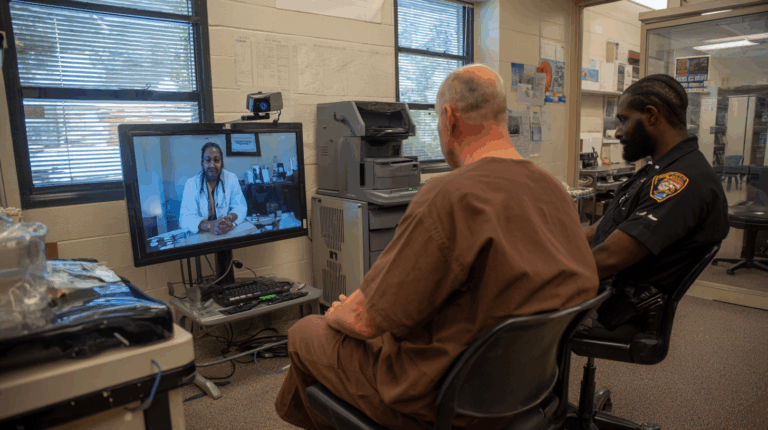
In order for state correctional facilities to provide quality mental health services for their inmates, an accurate assessment is critical. Correctional healthcare is a specialized field that benefits significantly from telemedicine services, which improve access and efficiency in correctional settings. To that end, one of the most critical steps is assessing each inmate’s mental health status upon intake. Unfortunately, meeting this need can be difficult due to limited resources and lack of access to qualified providers. Telemedicine can help correctional facilities by providing increased access to psychiatric treatment for inmates, ensuring they receive timely and effective care. Telemedicine services and technology enable remote psychiatric evaluations, making it possible to deliver care even in facilities with limited onsite resources. Approximately 50% of inmates in correctional facilities have a diagnosable mental illness, including substance abuse, underscoring the importance of timely and effective mental health interventions.
To meet this need, many correctional facilities are turning to on-demand mental health services as a solution. Telepsychiatry can help solve the shortage of mental health professionals in correctional facilities by enabling providers to deliver psychiatric treatment remotely, facilitating inmate care through telemedicine platforms. This enables efficient triage and personalized assessment for every inmate who comes through their doors. Telepsychiatry improves healthcare and inmate access to mental health services, ensuring that even mentally ill inmates receive appropriate care. For example, California and the California Department of Corrections and Rehabilitation have been leaders in implementing telepsychiatry programs, demonstrating success in expanding access and improving outcomes. Facilities can expect to decrease costs, especially transportation costs, and achieve success through these programs. Utilization of telepsychiatry has saved correctional facilities from $12,000 to more than $1 million, making it a cost-effective solution. Doctors, medical staff, and nurses work together as part of the care team to deliver these services. Patients, including mentally ill inmates, benefit from improved access and continuity of care. Telepsychiatry services include remote consultation, treatment planning, and comprehensive mental health treatment. These programs are often led by experts in corrections, ensuring high standards of care. While remote care offers many advantages, direct contact remains important for certain situations to ensure comprehensive treatment. Telemedicine also allows providers to serve multiple facilities efficiently, improving scalability. Enhanced patient care and public safety are additional benefits of telepsychiatry in corrections. Security and concerns about privacy and confidentiality are addressed through secure communication systems and strict compliance with regulations.
On-demand telemedicine solutions also ensure continuity and quality of inmate care, supporting ongoing treatment and follow-up.
Contact us today to find out how we can create a customized service plan for your facility.
Correctional Facilities Have to Manage High Admission Rates
The number of annual admissions to state correctional facilities in the US is staggering, with estimates ranging from 400,000 to 500,000 individuals entering these facilities each year. Correctional healthcare as a field faces significant challenges in managing this volume. These institutions are required to process and manage the intake of these individuals in compliance with state and federal standards. Jails, county jails, and prisons also face similar challenges with intake and mental health assessment, highlighting the widespread need for effective solutions across all types of correctional environments. System-wide, multiple facilities require scalable solutions to ensure consistent care and data management. There are more mentally ill people in correctional facilities than in mental health hospitals in the United States, further emphasizing the need for robust mental health services in these settings.
Correctional facilities often face challenges due to limited personnel and resources, including shortages of medical staff and nurse roles. The high costs and logistical difficulties associated with transporting inmates for external psychiatric evaluations further complicate the delivery of mental health care. This can lead to delays in intake assessments, which are critical for identifying inmates with mental health needs. Patients, including mentally ill inmates, are particularly affected by these limitations. In addition, many facilities lack the necessary resources to provide ongoing mental health services, resulting in an overwhelming burden on staff and inadequate care for inmates. The need for comprehensive treatment planning, timely consultation, and effective mental health treatment is essential to address these gaps. Many state and federal mental health care mandates remain unmet in correctional settings due to these resource limitations. In corrections, while telepsychiatry increases remote access, direct contact between staff and inmates remains important for certain aspects of care. Remote evaluations improve safety for correctional staff and the public by minimizing the risk of escape attempts and incidents.
Telepsychiatry can help reduce the overall cost and logistical burden for jails, county jails, and prisons by minimizing the need for transporting inmates and lowering administrative and operational costs. Utilization of telepsychiatry has been shown to cut overall costs by reducing travel for the provider, making it a cost-effective solution for correctional facilities. By reducing transportation costs, facilities can decrease costs associated with moving inmates for care. Facilities can expect improved healthcare, patient care, public safety, and overall success from implementing telepsychiatry programs. However, challenges remain, including security and concerns about privacy and confidentiality in telepsychiatry systems.
The California Department has been a leader in addressing these challenges, with California implementing successful telepsychiatry programs in its correctional system. These programs are often led by experts in the field and serve as models for other states. Technology and telemedicine services play a crucial role in improving inmate access to care, supporting both real-time and asynchronous consultations across multiple facilities.
Mental Health Assessment is a Critical Step During Intake
The importance of conducting a mental health assessment as part of the standard intake process in correctional facilities cannot be overstated. Intake assessments in corrections often involve consultation, treatment planning, and the initiation of mental health treatment to ensure that each individual receives appropriate care from the outset. It’s crucial to ensure that inmates are properly classified, housed, and provided with critical mental health services while they’re incarcerated. Mental illnesses can range from mild anxiety to severe psychosis. There is a high prevalence of mental illness and mental health problems among incarcerated individuals, with rates estimated to be two to four times greater than in the general population, making early diagnosis and thorough evaluations essential for connecting mentally ill people with appropriate care. These assessments serve both patients and mentally ill inmates, ensuring that all individuals receive the necessary support. Without proper evaluation and treatment, these conditions may worsen and lead to disruptive behavior, self-harm, or even suicide.
The goals of mental health intake assessments in correctional facilities are critical to ensuring a safe and secure environment for both inmates and personnel. These assessments are conducted by a multidisciplinary team that may include medical staff, nurses, and doctors, all working together to deliver comprehensive correctional healthcare. Proper assessment helps reduce risk for both inmates and staff, and leads to improved patient outcomes. Not only do these assessments work to maximize resources, but they also focus on preparing prisoners for a successful reintegration into society after serving their term. The field of corrections relies on these processes to maintain order and safety.
By conducting a mental health assessment, correctional facilities can identify underlying mental health issues and provide treatment plans tailored to the individual’s unique needs. The assessment process often involves direct contact between inmates and healthcare professionals, but also leverages technology and telemedicine services to enhance access and efficiency. Addressing the needs of mentally ill people through proper rehabilitation can reduce recidivism and improve reintegration. However, challenges such as security and concerns about privacy and confidentiality must be addressed to protect sensitive health information. Correctly managing mental illness in prisoners has been shown to decrease recidivism upon release. This approach supports the overall well-being of the mentally ill and enhances the effectiveness of correctional mental health care. Improved patient care, the success of these programs, and enhanced public safety are key outcomes, contributing to better healthcare and correctional healthcare systems overall. For example, California and the California Department of Corrections and Rehabilitation have implemented telepsychiatry programs that demonstrate increased inmate access, coordination across multiple facilities, decreased costs, and significant reductions in transportation costs. Facilities can expect these assessments to lead to better outcomes for both inmates and staff. These programs are often led by experts in correctional mental health, ensuring best practices and high standards of care.
Mental Health Screening is Usually Required within 24 Hours of Admission
The importance of mental health screenings in correctional facilities cannot be overstated. It is a crucial step in identifying and addressing any underlying mental health conditions of inmates. Consultation, treatment planning, and mental health treatment are integral parts of these screenings, ensuring that each inmate receives a comprehensive evaluation and appropriate follow-up care. In the field of corrections, for almost 75% of state correctional facilities, conducting a mental health screen within the first 24 hours of admission can be a challenge. Whether it’s a busy, large, or remote facility, access to mental health service providers may not always be immediate. Patients, including mentally ill inmates, in correctional facilities have limited access to appropriate mental health care, leading to untreated mental illnesses. Medical staff, including nurse practitioners and doctors, play a vital role in conducting these screenings and ensuring quality care. The screening process often requires direct contact between inmates and healthcare professionals, but technology and telemedicine services are increasingly used to facilitate remote evaluations. Security and concerns about privacy and confidentiality are important considerations in implementing these services. Telehealth and telehealth services can increase access and provide improved access to behavioral health services in correctional settings by enabling remote evaluations, reducing transportation needs, and ensuring continuity of care for inmates.
On-demand mental health services can help alleviate this issue by providing timely and efficient screenings through telepsychiatry. The services provided include behavioral health and mental health screenings, crisis intervention, medication management, and psychotherapy, all of which contribute to improved access and continuity of care for inmates. These programs are often led by experts in correctional healthcare, ensuring best practices are followed. By connecting facilities to a network of licensed psychiatrists, these mental health services can ensure that inmates receive the necessary screenings within the required timeframe. This not only helps with classification and placement but also allows for timely treatment if needed. Facilities benefit from increased inmate access to care, the ability to serve multiple facilities, decreased costs, and reduced transportation costs. California and the California Department of Corrections and Rehabilitation serve as examples of successful implementation, demonstrating improved healthcare, patient care, and public safety outcomes. Facilities can expect success in improving correctional healthcare delivery and outcomes through these initiatives.
Telepsychiatry Provides On-Demand Service for Intake Assessments
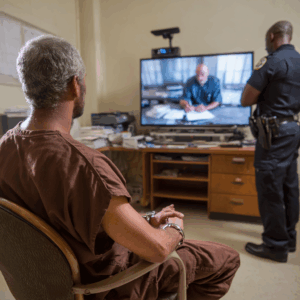
Telepsychiatry services are revolutionizing mental health care in correctional facilities by providing effective on-demand mental health services. Technology and telemedicine services play a crucial role in enabling remote assessments, allowing for timely and secure evaluations. These services are also utilized in forensic settings and other correctional settings, expanding access to psychiatric care for diverse populations. Delays and logistical hurdles associated with in-person consultations can be eliminated by this innovative approach. With telepsychiatry, mental health intake assessments can be conducted from anywhere, at any time, supporting corrections as a specialized field. Programs in states like California, led by the California Department of Corrections and Rehabilitation, have demonstrated success in improving inmate access, decreasing transportation costs, and enhancing correctional healthcare across multiple facilities.
These assessments can include both standard interviews and any required psych tests, such as:
- Millon Clinical Multiaxial Inventory (MCMI): The Millon Clinical Multiaxial Inventory (MCMI) is a psychological assessment tool designed to help clinicians identify and diagnose mental disorders. The MCMI uses 175 true-or-false questions to assess 24 clinical syndromes and 10 personality disorders. This tool is particularly useful in a correctional setting because it can help professionals understand an inmate’s mental health, personality characteristics, and potential behavioral patterns. Specialists provide psychiatric care and psychiatric services, including specialty services such as competency restoration services for inmates with serious mental illness. The assessment process often involves consultation, treatment planning, and ongoing mental health treatment to ensure comprehensive care for patients, including mentally ill inmates.
- Minnesota Multiphasic Personality Inventory (MMPI): The Minnesota Multiphasic Personality Inventory (MMPI) is one of the most widely used psychological tests in mental health fields. It consists of 567 true-false questions and is designed to assess a wide range of psychological conditions, such as depression, anxiety, schizophrenia, and more. Its ability to pinpoint various mental health disorders makes it an excellent tool for intake assessments in correctional facilities. These assessments are vital for both patients and mentally ill inmates, ensuring that those most in need receive appropriate care.
- Wechsler Adult Intelligence Scale (WAIS): The Wechsler Adult Intelligence Scale (WAIS) is an intelligence test designed to measure cognitive function in adults. It measures different aspects of intelligence, including verbal comprehension, perceptual reasoning, working memory, and processing speed. This test can be particularly useful in correctional facilities for identifying any cognitive impairments that may impact an inmate’s ability to understand and participate in their legal proceedings or treatment plans. The WAIS is also useful in identifying intellectual disabilities, which may necessitate special accommodations within the correctional setting. Integrating electronic medical records is important to coordinate care and support diagnosis and treatment, especially for inmates with substance abuse or serious mental illness. The assessment process is conducted by a team of medical staff, including doctors and nurses, ensuring that all aspects of patient care are addressed.
During the assessment process, direct contact between inmates and healthcare providers remains important, even as technology enables remote evaluations. Telepsychiatry allows for secure, real-time communication, but the value of in-person engagement is recognized when necessary. Security and privacy are critical, and there are ongoing concerns about maintaining confidentiality and protecting sensitive health records in telemedicine services.
The outcomes of telepsychiatry intake assessments include improved patient care, greater success in mental health treatment, enhanced public safety, and better overall healthcare and correctional healthcare delivery. Facilities can expect increased inmate access to care, streamlined coordination across multiple facilities, decreased costs, and significant reductions in transportation costs. These programs are often led by experts in correctional mental health, ensuring high standards and effective implementation.
Training materials, such as a slide show, are often used to educate staff on the implementation of these specialty services.
Virtual Mental Health Services from FasPsych
At FasPsych, we are leaders in correctional healthcare, utilizing advanced telemedicine services and technology to deliver high-quality care to correctional facilities. Our approach improves healthcare and increases inmate access to essential mental health services. We have seen success in programs across the country, including those implemented by the California Department in California, which have demonstrated significant improvements in access and outcomes.
We offer tailored services that fit the specific needs of each individual correctional facility, serving multiple facilities by developing innovative programs and ensuring a comprehensive range of services provided, whether it’s mental health screening, consultation, treatment planning, mental health treatment, or program development efforts. Our care teams include experienced doctors, medical staff, and psychiatric nurse professionals, all working together to enhance patient care and public safety.
Our services benefit all patients, including mentally ill inmates, by providing consistent access to care and supporting better health outcomes. FasPsych is led by experts in corrections, ensuring our programs are guided by the highest standards and best practices. We address security and concerns related to telepsychiatry by implementing robust measures to protect confidentiality and comply with regulations.
By leveraging telemedicine services, we help facilities decrease transportation costs and clients can expect to decrease costs overall while improving continuity of care. Contact us to get started on designing a service solution for your facility and see how FasPsych helps correctional facilities better serve their populations through innovative programs and a full spectrum of services provided
What are on-demand mental health services for correctional facilities?
On-demand mental health services are an integral part of correctional healthcare, utilizing telemedicine services and advanced technology to deliver immediate support to correctional facilities. These services improve healthcare and increase inmate access to essential psychiatric care. Success has been demonstrated in improving outcomes for patients, including mentally ill inmates, by ensuring timely and effective interventions. On-demand mental health services involve doctors, medical staff, and nurse professionals working collaboratively to address the complex needs of incarcerated individuals. The range of services includes consultation, treatment planning, and comprehensive mental health treatment. These programs are led by experts in corrections and are designed to serve multiple facilities efficiently. By enhancing patient care and supporting public safety, on-demand services help facilities address security and concerns related to confidentiality and safety. Additionally, they significantly reduce transportation costs and help facilities decrease costs associated with traditional in-person care.
On-demand mental health services provide correctional facilities with immediate access to qualified mental health professionals via telepsychiatry. These services enable timely mental health screenings, assessments, crisis intervention, medication management, and psychotherapy for inmates, particularly during the intake process.
Why are mental health assessments important during intake in correctional facilities?
Mental health assessments during intake are critical for identifying inmates with mental health conditions, ensuring proper classification, housing, and treatment. These assessments often involve consultation, treatment planning, and the initiation of mental health treatment to ensure comprehensive care from the outset.
Medical staff, including nurse practitioners and doctors, play a key role in conducting these assessments and coordinating ongoing care. This process benefits patients, especially mentally ill inmates, by providing timely interventions and improving overall well-being.
In corrections, while telepsychiatry enhances access, direct contact remains important in certain cases to ensure thorough evaluations and effective communication. Security and concerns about confidentiality are addressed through secure systems that protect sensitive health information during assessments.
Improved patient care, success in treatment outcomes, enhanced public safety, and better overall healthcare are achieved through robust correctional healthcare practices. These assessments also increase inmate access to services, support multiple facilities, and help decrease costs, including transportation costs, by reducing the need for off-site appointments.
Facilities can expect more efficient intake processes, better health outcomes, and streamlined operations as a result of comprehensive mental health assessments during intake.
How does telepsychiatry help correctional facilities manage high admission rates?
Telepsychiatry is an essential component of correctional healthcare, utilizing telemedicine services and advanced technology to deliver psychiatric care in correctional settings. By improving healthcare delivery and increasing inmate access to mental health professionals, telepsychiatry helps facilities achieve success in managing high admission rates. These programs are supported by a multidisciplinary team, including doctors, medical staff, and nurses, ensuring comprehensive care for patients. Services provided include psychiatric consultation, treatment planning, and ongoing mental health treatment for mentally ill inmates. Telepsychiatry initiatives are led by experts in corrections and are designed to serve multiple facilities, enhancing continuity of care. This approach improves patient care and public safety by reducing the need for inmate movement and minimizing security risks. Security and privacy concerns are addressed through secure communication systems and strict confidentiality protocols. By reducing transportation costs, facilities can decrease costs overall and can expect improved efficiency and outcomes for both patients and staff. Telepsychiatry provides a wider pool of psychiatric specialists, including those with expertise in forensic psychology, addiction, and PTSD, ensuring that inmates receive tailored and effective care.
What challenges do correctional facilities face in conducting mental health screenings within 24 hours of admission?
Many facilities struggle with limited access to mental health professionals, especially in busy or remote locations. Medical staff, including nurse and doctors, often face challenges due to staffing shortages and high caseloads. These issues can impact patients, particularly mentally ill inmates, who require prompt and effective mental health treatment. Resource constraints and logistical issues, such as transporting inmates for evaluations, can delay screenings and increase transportation costs. The need for timely consultation, comprehensive treatment planning, and ongoing mental health treatment is critical to ensure quality care.
In corrections, while telepsychiatry enables remote care, direct contact remains important in certain cases for thorough assessments. Security and concerns about confidentiality and privacy must be addressed to protect sensitive health records and comply with regulations. Technology and telemedicine services play a vital role in overcoming these challenges by enabling secure, real-time communication and expanding healthcare access.
Telemedicine services improve correctional healthcare by increasing inmate access to care, supporting multiple facilities, and enhancing overall healthcare delivery. This leads to better patient care and supports public safety by reducing the need for inmate transport and minimizing security risks. Facilities can expect to decrease costs, particularly transportation costs, while maintaining high standards of care for their inmate population.
What types of assessments are conducted through telepsychiatry?
Telepsychiatry assessments may include standard interviews and psychological tests such as:
- Millon Clinical Multiaxial Inventory (MCMI): Assesses clinical syndromes and personality disorders to understand an inmate’s mental health and behavioral patterns.
- Minnesota Multiphasic Personality Inventory (MMPI): Evaluates a wide range of psychological conditions, such as depression and anxiety.
- Wechsler Adult Intelligence Scale (WAIS): Measures cognitive functions to identify intellectual disabilities or cognitive impairments that may require special accommodations.
In addition to these assessments, telepsychiatry enables various types of consultation, including initial psychiatric evaluations, crisis intervention, ongoing mental health treatment, and comprehensive treatment planning tailored to each patient’s needs. Medical staff, including doctors, nurses, and other healthcare professionals, collaborate to deliver these services, ensuring coordinated care for patients and mentally ill inmates.
Telemedicine services in corrections improve inmate access to correctional healthcare across multiple facilities, leveraging technology to provide secure, real-time assessments and continuity of care. While telepsychiatry reduces the need for direct contact, in-person engagement remains important in certain cases to ensure effective treatment.
Security and privacy concerns are addressed through robust technology and secure communication systems, protecting sensitive health records and maintaining compliance with regulations. These advancements in healthcare delivery enhance patient care, support public safety, and contribute to the overall success of mental health programs in correctional settings.
Facilities can expect to decrease costs, particularly transportation costs, by minimizing the need to move inmates for in-person care, while improving access and outcomes for patients.
How does FasPsych ensure the quality of its mental health services?
FasPsych is a leader in correctional healthcare, utilizing advanced telemedicine services and technology to deliver high-quality care in correctional settings. Our approach improves healthcare and increases inmate access to essential services. We have a proven record of success in enhancing outcomes for patients, including mentally ill inmates, by providing effective mental health treatment. Our team includes experienced doctors, medical staff, and psychiatric nurse professionals who collaborate to ensure comprehensive care. FasPsych offers a full range of services, including psychiatric consultation, treatment planning, and ongoing mental health treatment. Our programs are led by experts in corrections and are designed to serve multiple facilities efficiently. We are committed to improving patient care and public safety through reliable telepsychiatry solutions. Security and privacy concerns are addressed with robust protocols to protect sensitive information. By reducing transportation costs, our clients can expect to decrease costs while maintaining high standards of care. FasPsych provides tailored telepsychiatry services that meet the specific needs of each correctional facility. Our licensed professionals deliver high-quality screenings, assessments, and ongoing care, supported by innovative programs and integration with electronic medical records to ensure continuity and compliance with standards.
Can telepsychiatry support ongoing mental health care beyond intake assessments?
Yes, telepsychiatry supports continuity of care through services like psychiatric consultation, comprehensive treatment planning, and ongoing mental health treatment, including medication management, psychotherapy, crisis intervention, and follow-up assessments. Medical staff, including doctors and psychiatric nurses, collaborate to deliver these services, ensuring coordinated care for patients and mentally ill inmates. This approach benefits patients by improving access to mental health care, especially for mentally ill inmates who require specialized support.
In corrections, while telepsychiatry enhances remote care, direct contact between inmates and healthcare providers remains important for certain evaluations and treatment needs. Security and privacy concerns are addressed through secure communication systems and strict protocols to protect sensitive health records. Technology and telemedicine services play a crucial role in enabling ongoing care, allowing healthcare teams to serve multiple facilities efficiently.
Telepsychiatry improves healthcare and correctional healthcare by increasing inmate access to services and supporting seamless care across multiple facilities. Enhanced patient care, improved public safety, and the overall success of mental health programs are key outcomes. Facilities can expect to decrease costs, particularly transportation costs, by reducing the need for off-site appointments and associated security risks.
How can telepsychiatry reduce costs for correctional facilities?
By utilizing telemedicine services and advanced technology, telepsychiatry helps decrease costs, especially transportation costs, by reducing the need for inmate transfers and provider travel. This approach improves healthcare and correctional healthcare by increasing inmate access to essential services. The success of these programs is evident in reducing costs for patients and mentally ill inmates while maintaining high-quality care. Doctors, medical staff, and nurses collaborate to deliver a full range of services, including consultation, treatment planning, and comprehensive mental health treatment. These initiatives are led by experts in corrections and are designed to serve multiple facilities efficiently. Telepsychiatry enhances patient care and public safety by minimizing security risks and improving continuity of care. Security and concerns about confidentiality are addressed through secure communication systems and strict privacy protocols. Facilities can expect significant cost reductions, improved outcomes, and streamlined operations as a result of implementing telepsychiatry programs.
How does FasPsych customize services for correctional facilities?
FasPsych works closely with each facility to design service plans tailored to their unique needs, especially in the area of correctional healthcare by leveraging telemedicine services and advanced technology. This approach improves healthcare delivery and increases inmate access to essential services. FasPsych has a track record of success in customizing solutions for patients and mentally ill inmates, ensuring positive outcomes. Our team includes experienced doctors, medical staff, and nurse professionals who collaborate to provide comprehensive care. We offer a full range of services, including consultation, treatment planning, and ongoing mental health treatment. FasPsych is led by experts in corrections and serves multiple facilities nationwide. Our solutions enhance patient care and contribute to public safety by reducing risks associated with inmate movement. We address security and concerns related to confidentiality and data protection, ensuring compliance with all regulations. By minimizing transportation costs, clients can expect to decrease costs while maintaining high-quality care.