
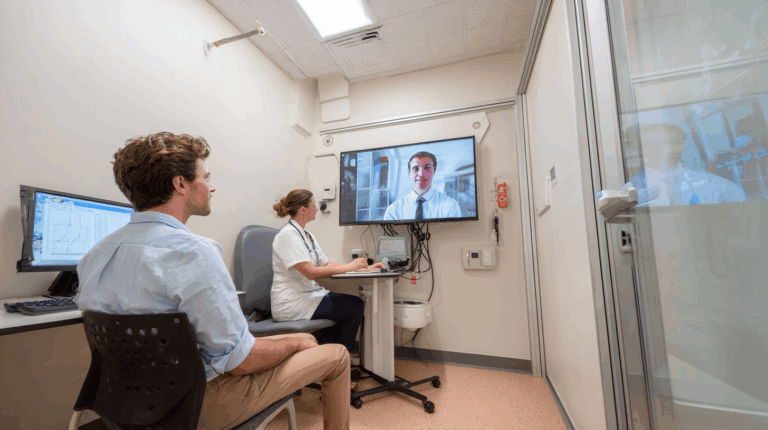

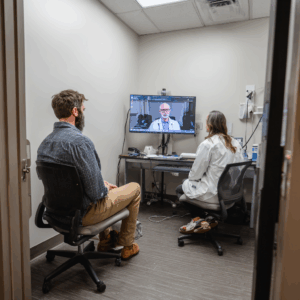
Telepsychiatry for FQHCs is a cornerstone of modern behavioral health, tackling the psychiatrist shortage where ratios hit 1:20,000 in rural zones. Across the country, Federally Qualified Health Centers (FQHCs) and Rural Health Clinics face significant challenges in providing behavioral health care due to limited access to providers and geographic barriers. More than 122 million Americans live in mental health professional shortage areas, including many in rural communities.
The widespread adoption of telepsychiatry by FQHCs was accelerated by policy changes and the Public Health Emergency, enabling these centers to rapidly embrace telehealth technologies and sustain improved virtual care operations.
As community-based healthcare centers, FQHCs expand virtual mental health care—96% now offering telehealth—providers like FasPsych deliver scalable solutions for underserved patients. Telepsychiatry not only improves access to care but also strengthens support within the local community. Discover the transformative benefits of telepsychiatry services for FQHCs, FasPsych’s unique edge, and strategies to ease telemedicine and cost hurdles.
Why Federally Qualified Health Centers Must Prioritize Telepsychiatry Services Now
Serving vast rural territories, FQHCs battle isolation that amplifies mental health needs. With a focus on delivering exceptional patient care, telepsychiatry for FQHCs enables virtual consultations with the intimacy of in-person care, cutting ER visits by 35% and boosting access by 60%. A 2024 Journal of Rural Health study underscores its role in FQHC sustainability, aligning with HRSA’s innovative delivery incentives. Patients requiring mental health services often wait 3 to 6 months for a psychiatric appointment in rural areas. Telepsychiatry helps increase access to behavioral health services by connecting patients in underserved and rural areas to licensed providers without the barriers of distance or limited local resources.
Benefits include:
- Barrier Reduction: Addresses transportation and stigma, improving adherence.
- Policy Support: 2025 extensions for FQHC distant-site billing enhance reimbursements.
- Holistic Integration: Pairs with primary care for comorbid conditions, improving health outcomes through coordinated care.
Telepsychiatry leads to better mental health outcomes for patients in rural areas by making high-quality psychiatric care more accessible and effective.
How Telepsychiatry Works for FQHCs
Telepsychiatry is transforming how federally qualified health centers (FQHCs) and rural health clinics (RHCs) deliver mental health services, especially in rural communities where access to behavioral health care is often limited. By leveraging secure telehealth services and advanced technology, FQHCs can connect patients with fully credentialed psychiatrists and behavioral health providers—no matter where they live. Technology enables FQHCs to deliver remote psychiatric care efficiently and securely.
Telepsychiatry platforms streamline the process of matching FQHCs with experienced, licensed behavioral health providers who are equipped to address a wide range of mental health needs. Credentialing is a critical step in onboarding telepsychiatry providers, ensuring they have the necessary licenses, approvals, and compliance with payer requirements for smooth integration into the clinic. This ensures that patients receive high-quality, evidence-based treatment from professionals who understand the unique challenges faced by rural and underserved populations.
Virtual Services Remove Barriers: Through virtual visits, patients can access behavioral health services from the comfort and privacy of their own homes or local clinics. This eliminates transportation challenges and reduces the stigma often associated with seeking mental health care, making it easier for individuals in rural America to receive timely support.
Comprehensive, Coordinated Care: Telepsychiatry doesn’t just offer one-off appointments—it provides a full spectrum of behavioral health care, including psychiatric evaluations, medication management, and ongoing treatment. Integrated care models foster collaboration between primary care providers and behavioral health specialists, ensuring that mental health is addressed alongside physical health for better overall patient outcomes. A collaborative team approach, with telepsychiatry providers working alongside existing clinic staff, is essential for delivering integrated behavioral health care. The collaborative care model funded by a grant aims to address behavioral health needs in a way that is convenient to patients and easy to implement in primary care practices.
Technical Assistance and Ongoing Support: Leading telepsychiatry partners offer robust technical assistance, education, and compliance guidance to help FQHCs implement and sustain telehealth programs. This includes support with EHR integration, billing, and meeting quality measures, empowering health centers to expand access to behavioral health services confidently and efficiently. Integration of telepsychiatry software with EMR systems is supported by IT teams to ensure seamless provider onboarding and service delivery. Additionally, a variety of digital tools and resources are available to support FQHCs in implementing and sustaining telepsychiatry services, including technical assistance, policy resources, and development tools.
Addressing the Mental Health Crisis in Rural Communities: By increasing access to behavioral health services, telepsychiatry helps FQHCs respond to the growing mental health crisis in rural areas. Patients with mental illness, substance use disorders, or those who have historically faced barriers to care can now receive treatment that supports their well-being and long-term recovery.
Sustaining Growth and Improving Outcomes: Telepsychiatry platforms are designed to help FQHCs not only launch but also grow their mental health services. With ongoing education, technical support, and provider matching, health centers can ensure their programs remain sustainable, compliant, and responsive to the evolving needs of their communities.
By embracing telepsychiatry, FQHCs and rural health clinics can expand access to behavioral health care, improve patient outcomes, and play a pivotal role in addressing mental health disparities across rural America. With the right telehealth partner, health centers are empowered to deliver comprehensive, coordinated, and quality care to every patient, regardless of location.
Behavioral Health Services and Care in Rural FQHCs
Behavioral health services are a lifeline for individuals in rural communities, where access to mental health care is often limited by geography and a shortage of behavioral health providers. Federally qualified health centers (FQHCs) are at the forefront of addressing these disparities, offering comprehensive primary care and behavioral health services to underserved populations. In rural areas, FQHCs face unique challenges, including limited resources and difficulty recruiting fully credentialed psychiatrists and mental health professionals.
The implementation of telehealth services has transformed the ability of rural health centers to deliver behavioral health care. Telepsychiatry services, in particular, enable FQHCs to connect patients with experienced psychiatrists and behavioral health providers, regardless of location. This model ensures that patients receive timely, high-quality psychiatric care and support, even in areas where in-person services are scarce. By leveraging telehealth, rural FQHCs can overcome traditional barriers, expand access to essential services, and provide quality care that meets the needs of their communities. The result is improved mental health outcomes and a stronger, healthier rural population.
Telepsychiatry Services and Primary Care Integration
Integrating telepsychiatry services into primary care settings empowers rural health clinics and FQHCs to deliver truly comprehensive care. Primary care providers are often the first point of contact for patients seeking mental health services, and with telepsychiatry, they can seamlessly refer patients for psychiatric consultations, therapy, and medication management. This collaboration ensures that patients receive the right care at the right time, improving outcomes and supporting the overall health of the community.
Telepsychiatry services are designed to complement the work of primary care providers, helping them manage complex mental health cases and meet quality measures required by payers and regulatory bodies. By offering specialty care, such as child and adolescent psychiatry, telepsychiatry addresses the diverse needs of patients in rural health clinics. This integrated approach not only enhances patient care but also reduces costs and supports the sustainability of mental health programs. With tailored telepsychiatry solutions, FQHCs can overcome challenges unique to rural practice, ensuring that every patient has access to high-quality mental health services.
FasPsych: The Leading Telepsychiatry Provider for FQHC Challenges
FasPsych’s virtual mental health care targets FQHC pain points, connecting 200+ licensed providers for trauma-informed support. Their comprehensive telepsychiatry program is designed to integrate seamlessly within each organization’s existing workflows. FasPsych supports each organization in implementing telepsychiatry, ensuring alignment with FQHC goals and culture. FasPsych providers can work within the FQHC’s office environment, either on-site or virtually, to fit the clinic’s needs. Their service plans detailed on their website feature:
- Cultural Sensitivity: Training for immigrant, veteran, and LGBTQ+ care.
- Billing Optimization: Handles CPT codes for FQHC PPS, maximizing Medicaid reimbursements, and telepsychiatry services can also be reimbursed under Medicare, supporting care for Medicare-eligible patients.
- Reliability: 95% clinician retention and 98% uptime for consistent service.
Grant funding often plays a crucial role in supporting telepsychiatry initiatives for FQHCs, helping organizations sustain and expand behavioral health services in underserved areas.
FasPsych’s clinician based model ensures empathy, ensuring alignment in FQHC satisfaction, and facilitates coordination between providers and FQHCs for seamless care delivery. FasPsych also helps FQHCs manage patient pay and reimbursement processes, streamlining billing and cost management.
Cost-Saving Realities of FasPsych Telepsychiatry for FQHCs
Transparent prices vary depending on the services requested. FQHCs recoup investments quickly—e.g., three months via visit increases—freeing funds without capitation risks. Rural health clinics and FQHCs benefit from these telepsychiatry cost savings, while also gaining access to specialty care through FasPsych’s provider network. There are resources available to FQHCs and clinics to support the implementation of telepsychiatry, including funding, toolkits, and federal guidelines. Telepsychiatry expands health resources for FQHCs and clinics, improving access to behavioral health and mental health services in underserved areas.
Empower your FQHC with FasPsych’s telepsychiatry servicesContact an implementation specialist today
FAQ: Benefits of Telepsychiatry for FQHCs
Why is telepsychiatry essential for rural FQHCs?
It overcomes geography, increasing access by 60% and cutting ER visits by 35%. Expanding mental healthcare through telepsychiatry is critical for both rural and urban centers, helping bridge disparities in access. Telepsychiatry enables FQHCs to reach underserved communities that otherwise lack behavioral health resources. Services administration ensures compliance and sustainability for FQHC telepsychiatry programs, aligning with federal guidelines. National consortiums provide guidance and strategies for implementing telepsychiatry, while telehealth resource centers offer support, best practices, and educational materials to FQHCs. Regional initiatives, such as telepsychiatry projects in South Carolina, demonstrate the effectiveness of these solutions in addressing local mental health needs.
What makes FasPsych ideal for FQHC telepsychiatry?
Customizable, integrated services with high retention and billing support. FasPsych’s telepsychiatry platform integrates seamlessly with primary care practices, supporting collaborative care models that improve behavioral health outcomes. This approach helps bridge the gap in mental healthcare between rural and urban centers and positions FasPsych as a trusted partner for organizations like CMHCs, FQHCs, hospitals, and more.
How does telepsychiatry impact FQHC costs?
Savings of 40-60% on staffing, plus revenue from scaled visits.
Are there privacy risks in virtual psychiatry for FQHCs?
No—FasPsych’s encryption and compliance ensure secure care.