


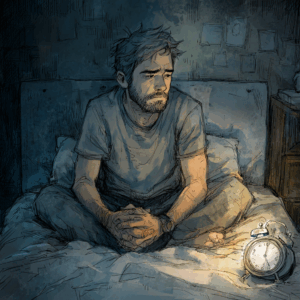
Imagine lying wide awake at 3 a.m., your mind racing with thoughts while the world slumbers peacefully—this is the nightly torment of chronic insomnia for approximately one-third of American adults experiencing insomnia symptoms.
Fritz Lang’s 1931 masterpiece M portrays a Weimar-era Berlin engulfed in paranoia, where a child murderer’s crimes ignite collective terror, blurring lines between hunter and hunted amid unrelenting dread and sleepless vigilance. This nightmarish state mirrors the torment of insomnia, a prevalent sleep disorder affecting 10-50% of adults worldwide. For people seeking insomnia telemedicine treatment, the core option is evidence-based care delivered remotely—especially cognitive behavioral therapy for insomnia (CBT-I) by secure video—which can provide timely specialist treatment from home and has been shown to work as well as in-person therapy.
In today’s world, the pressures and fast pace of modern life have made insomnia increasingly common and relevant. Defined as persistent difficulty initiating or maintaining sleep despite adequate opportunity, insomnia is one of the most common sleep problems, often leading to daytime fatigue, impaired concentration, and emotional distress that disrupt daily functioning and overall health. Chronic insomnia can stem from stress, anxiety, medical conditions, or poor sleep habits, and its effects extend beyond poor nights to physical health, psychiatric well-being, and quality of life.
For patients living with chronic insomnia, people exploring accessible telemedicine solutions, and healthcare providers—including primary care physicians and psychiatrists—looking for effective treatment pathways, this article explains what drives insomnia, how to recognize its symptoms and consequences, and which treatments have the strongest evidence. It also looks at sleep hygiene basics, the role of PCPs and psychiatrists, and how telepsychiatry platforms such as FasPsych can expand access to specialist care and improve outcomes.
What Is Insomnia?
Insomnia is often dismissed as a byproduct of modern life—too much coffee, screen time, or stress—but it’s far more insidious than occasional sleeplessness. This sleep disorder and mental health condition involves persistent difficulty falling asleep, staying asleep, or achieving restorative rest, and it carries a profound physical toll. Clinicians assess insomnia severity using standardized scales to determine the impact on daily life, and clinical sleep medicine plays a crucial role in diagnosing and managing insomnia through evidence-based practices. A clinical director often oversees sleep medicine programs or research, ensuring adherence to best practices and high standards of care. Chronic insomnia isn’t just about tossing and turning; it disrupts the body’s natural rhythms, leading to hormonal imbalances, weakened immune function, and increased inflammation. Insomnia also undermines sleep health, which is a critical component of overall well-being and quality of life. Alarmingly, insomnia can even shorten life expectancy, with studies linking insufficient sleep to higher mortality risks from cardiovascular disease, diabetes, and other ailments. Poor sleep quality and prolonged sleep onset are key indicators used to evaluate the effectiveness of insomnia interventions. However, limited access to specialty-trained clinicians and in-person treatment can be a significant barrier to effective care, making it harder for many individuals to receive proper management. Telemedicine accelerates access to insomnia treatment by reducing wait times and logistical barriers, allowing patients to receive timely care from the comfort of their homes. Daytime insomnia symptoms like fatigue exacerbate these dangers, driving up the odds of accidents and long-term health decline.
Symptoms of Insomnia: Recognizing the Warning Signs
Insomnia stands as the most common sleep disorder, quietly undermining the well-being of millions across the globe. Recognizing the warning signs early is essential for protecting your sleep health and preventing the far-reaching consequences of chronic insomnia. While everyone experiences a restless night from time to time, persistent insomnia symptoms signal a deeper issue that can erode both mental health and daytime functioning.
The hallmark symptoms of insomnia include difficulty falling asleep, trouble staying asleep through the night, and waking up too early without being able to return to sleep. Many individuals also report poor sleep quality, feeling unrefreshed upon waking, or experiencing frequent nighttime awakenings. Over time, these disruptions can lead to chronic insomnia—defined as sleep difficulties occurring at least three nights per week for three months or longer—which significantly impacts sleep efficiency and overall sleep health through circadian rhythm disruption and other downstream effects.
The effects of insomnia extend well beyond the bedroom. People struggling with this common sleep disorder often find themselves battling fatigue, irritability, reduced concentration, and impaired daytime alertness during the day. These symptoms can strain relationships with family members, diminish work performance, and lower sleep self-efficacy—the confidence in one’s ability to fall and stay asleep without outside help. Left unaddressed, chronic insomnia can contribute to poor sleep, exacerbate mental health challenges, and increase the risk of other sleep disorders.
A comprehensive systematic review of insomnia symptoms underscores the importance of early recognition and intervention. Cognitive behavioral therapy (CBT-I) is widely recognized in sleep medicine as the gold standard and first line treatment for chronic insomnia, offering significant improvements in insomnia severity, sleep quality, and daytime functioning. For those with limited access to in-person treatment, telemedicine interventions—such as telehealth-delivered CBT-I—have emerged as a new and effective method for improving sleep. Randomized controlled trials and meta-analyses consistently demonstrate the feasibility and treatment effect of these digital approaches, with significant improvements in sleep efficiency and an average difference in insomnia symptoms favoring telemedicine intervention groups.
In today’s world, where barriers to traditional care persist, increasing access to evidence-based insomnia treatment through telemedicine can have a positive effect on both individual and public health and overall health. Regular virtual check-ins enhance accountability and adherence to treatment plans for insomnia, ensuring that patients stay on track and achieve better outcomes. Regular follow-up through telemedicine is essential for monitoring progress and improving insomnia outcomes, as it allows healthcare providers to assess treatment effectiveness and make timely adjustments. By recognizing the early warning signs of insomnia and seeking timely intervention—whether through in-person or virtual care—individuals can reclaim restful nights, restore daytime functioning, and improve their overall sleep health.
How Chronic Insomnia Erodes Quality of Life
The impact of insomnia on daily living is staggering. Chronic insomnia saps energy levels, impairs cognitive function, and heightens emotional volatility, making routine tasks feel monumental. Sufferers often experience reduced work performance, strained relationships, and a diminished sense of well-being. Impaired daytime functioning is a hallmark of chronic insomnia, affecting alertness and the ability to perform daily activities. While advice from friends and family members is common, it may not be as effective as evidence-based interventions for managing insomnia. The fog of exhaustion clouds judgment and amplifies anxiety or depression, and it can be especially disruptive in cases of co-occurring insomnia with mental health conditions. Insomnia is also associated with an increased risk of depressive symptoms and major depression, further compounding its impact on quality of life. Physically, insomnia contributes to weight gain, hypertension, and a weakened ability to fight off illnesses, creating a vicious cycle where poor health further fuels sleeplessness, especially when ongoing conditions such as chronic illness are involved. In essence, insomnia doesn’t just steal hours of sleep; it diminishes the vibrancy of waking life, turning vibrant individuals into shadows of themselves, much like the haunted figures in Lang’s film.
The Importance of Sleep Health: Why Restorative Sleep Matters
Sleep health is the cornerstone of overall well-being, yet it’s often overlooked until chronic insomnia or another sleep disorder disrupts daily life. Restorative sleep is not just a luxury—it’s a biological necessity that fuels physical repair, emotional balance, and cognitive clarity. When sleep is compromised, as in chronic insomnia, the consequences ripple through every aspect of health, from weakened immunity and impaired memory to increased risk of anxiety and depression.
Fortunately, advances in sleep medicine have transformed how we approach insomnia treatment. Cognitive behavioral therapy for insomnia (CBT-I) stands out as the first line treatment, offering significant improvements in sleep onset, sleep efficiency, and overall sleep quality. Traditionally delivered in person, CBT-I has a robust evidence base, and clinicians can provide cognitive behavioral therapy for insomnia either in person or through telehealth, using behavioral strategies—like stimulus control and sleep restriction—and cognitive strategies, such as challenging unhelpful beliefs about sleep and incorporating mindfulness techniques. These approaches not only address insomnia symptoms but also enhance daytime functioning and long-term sleep health.
A comprehensive systematic review of telehealth CBT-I has shown that this innovative approach is just as effective as in-person CBT-I. Video telehealth platforms now allow many patients to access high-quality behavioral therapy for insomnia from the comfort of home, breaking down barriers related to geography, mobility, busy schedules, and geographic distance between patients and qualified sleep clinicians. Studies led by experts such as Espie CA, Lagisetty P, and Kyle SD confirm that telehealth CBT-I delivers significant improvements in sleep outcomes, including reduced time to fall asleep and better sleep efficiency, while maintaining the patient-centered care and therapeutic alliance found in traditional settings.
The benefits of increasing access to effective treatment are profound. Telehealth CBT-I not only expands reach to underserved populations but also empowers patients to take control of their sleep health with the support of clinicians trained in sleep medicine. By leveraging both behavioral and cognitive strategies, patients can develop healthier sleep habits, reduce insomnia symptoms, and restore the restorative power of sleep.
In summary, prioritizing sleep health is essential for physical and mental restoration. Whether delivered in person or through telehealth, cognitive behavioral therapy for insomnia is a proven, effective treatment that can help millions reclaim better sleep and a higher quality of life. As the field of sleep medicine continues to evolve, telehealth CBT-I stands poised to revolutionize access to care, ensuring that more people can experience the transformative benefits of restorative sleep.
The Physical Toll: How Insomnia Causes or Exacerbates Health Conditions
While insomnia is often rooted in mental health or lifestyle factors, its effects ripple outward, directly causing or worsening a range of physical ailments through mechanisms like chronic stress, inflammation, disrupted circadian rhythms, and related circadian rhythm disorders. This bidirectional relationship means that poor sleep not only stems from health issues but actively perpetuates them, creating a downward spiral. Insomnia is a significant public health concern, as its widespread impact extends beyond individuals to affect communities and healthcare systems. However, there are concerns that telemedicine may introduce new health inequities among underserved populations, highlighting the need for equitable access to these services. Telemedicine also saw much wider adoption during the global pandemic. Notably, research by Feige B, Spiegelhalder K, Fields BG, and Seyffert M has contributed significantly to understanding the health impacts of insomnia and the effectiveness of telemedicine interventions in sleep medicine. Here are some key physical conditions influenced by insomnia:
- Cardiovascular Diseases: Chronic sleep deprivation elevates blood pressure, promotes arterial plaque buildup, and increases the risk of heart attacks and strokes by up to 45% in severe cases.
- Metabolic Disorders: Insomnia disrupts glucose metabolism and insulin sensitivity, heightening the likelihood of type 2 diabetes and obesity through hormonal imbalances like elevated cortisol and reduced leptin.
- Immune System Weakness: Lack of restorative sleep impairs immune function, making individuals more susceptible to infections, slower to recover from illnesses, and potentially increasing cancer risks due to reduced natural killer cell activity.
- Gastrointestinal Issues: It can exacerbate conditions like acid reflux, irritable bowel syndrome, and digestive inefficiencies by altering gut microbiota and stress responses.
- Musculoskeletal and Neurological Problems: Insomnia aggravates chronic pain, arthritis, and may contribute to neurodegenerative diseases like Parkinson’s by promoting inflammation and oxidative stress in the brain.
- Endocrine Disruptions: Hormonal imbalances from insomnia can lead to thyroid issues, reproductive health problems, and accelerated aging processes.
Increased sleep latency is a common finding in insomnia patients and is often used as a clinical outcome measure.
- [LINK 1] via secure video
- CBT-I delivery by board-certified sleep specialists for insomnia, with remote follow-up also supporting ongoing sleep apnea management
- Medication management with full PCP collaboration ([LINK 2])
- EHR-integrated notes—no extra charting
- No upfront costs—pay per visit only → Faster remission, fewer ER referrals, higher patient satisfaction. The Centers for Medicare & Medicaid Services lifted restrictions on telemedicine reimbursement during the pandemic, making these services more accessible to a broader range of patients.
Comorbid Psychiatric Conditions: When Insomnia Intertwines with Mental Health
Insomnia rarely exists in isolation; it frequently co-occurs with other psychiatric disorders, creating a bidirectional relationship where each condition can exacerbate the other, and sleep anxiety is a common contributor in many mental health presentations. Here are some common comorbidities:
- Anxiety Disorders: Insomnia and anxiety feed into one another, with sleep deprivation heightening worry and rumination, while anxiety makes it harder to relax and fall asleep. This comorbidity affects up to 50% of insomnia cases. Heightened cognitive arousal is a key mechanism perpetuating both insomnia and anxiety, making it a critical target for intervention.
- Depression (Major Depressive Disorder): There’s a strong link, with insomnia often preceding or worsening depressive episodes. Approximately 40-50% of people with depression experience chronic insomnia, and treating sleep issues can improve mood symptoms. Effective insomnia treatment has also been shown to reduce depression symptoms, especially in treatment-resistant patients. MBTI was delivered via telemedicine in a study, demonstrating its effectiveness for treatment-resistant insomnia patients. Findings from a comprehensive meta analysis further support the robust evidence base for telemedicine interventions in treating insomnia with psychiatric comorbidities. These interventions have demonstrated significant therapeutic effects in improving both sleep and psychiatric symptoms.
- Bipolar Disorder: Insomnia can trigger manic or hypomanic episodes in bipolar individuals, and sleep disturbances are a hallmark during mood swings. Comorbidity rates are high, emphasizing the need for integrated treatment. Relapse prevention strategies are essential for maintaining long-term gains in patients with comorbid insomnia and mood disorders.
- Posttraumatic Stress Disorder (PTSD): Nightmares and hypervigilance from PTSD often lead to insomnia, which in turn intensifies trauma-related symptoms. In some cases, persistent nightmares may meet criteria for nightmare disorder and require targeted behavioral treatment.
- Substance Use Disorders: Insomnia may drive reliance on alcohol or drugs as sleep aids, perpetuating addiction cycles, with comorbidity seen in about 20-40% of cases.
- Schizophrenia: Sleep fragmentation is common, contributing to cognitive impairments and psychotic symptoms in those with schizophrenia.
Cognitive therapy and behavioral treatment are evidence based therapies that play a significant role in improving patient care for individuals with complex psychiatric comorbidities. CBTi may also include relaxation strategies and mindfulness techniques as part of the treatment. For nightmare-focused care, imagery rehearsal therapy may also be used as part of a tailored behavioral plan. Current treatment approaches reflect lessons learned from recent experiences, such as the COVID-19 pandemic, leading to updated practices that enhance patient safety and access. FDA has cleared specific digital therapeutic tools like Somryst and Sleepio for chronic insomnia treatment, further expanding the range of evidence-based options available to patients. Research by Simon L and Benz F has highlighted the efficacy of innovative treatment modalities, including digital therapeutics and telemedicine-based interventions, for insomnia, supporting the growing adoption of these accessible approaches.
Shift Work Syndrome and Its Insomniac Roots
For those in non-traditional schedules, insomnia often intersects with shift work syndrome (SWS), a circadian rhythm disorder affecting night or rotating shift workers, and one example of sleep difficulties related to schedule demands and internal clock misalignment, where organizations may benefit from scalable telepsychiatry solutions to expand mental health access. SWS manifests as chronic insomnia and excessive daytime sleepiness, stemming from misaligned internal clocks that clash with societal norms, and it falls within other sleep difficulties that may require targeted behavioral treatment. This tie-in highlights how external demands can exacerbate insomnia causes, leading to similar health risks and underscoring the need for targeted interventions beyond simple schedule tweaks.
The Basics of Sleep Hygiene: A Starting Point for Insomnia Remedies
Improving sleep often begins with sleep hygiene—practical habits to foster better rest and serve as natural remedies for insomnia. Key tips include maintaining a consistent sleep schedule, even on weekends, to regulate your body’s clock. Create a relaxing bedtime routine, such as reading or light stretching, while avoiding electronic devices and screens at least an hour before bed to minimize blue light interference and improve sleep quality. Optimize your environment: keep the bedroom cool, dark, and quiet; limit caffeine and heavy meals in the evening; and incorporate regular exercise earlier in the day to support better daytime alertness.
These steps can make a difference, but they’re not a cure-all for chronic insomnia. Behavioral components such as stimulus control and mindfulness techniques are integral to behavioral sleep medicine and are considered first line treatment for insomnia. This non pharmacological treatment is often recommended before considering medication, and clinicians may also offer cognitive behavioral therapy through telemedicine when sleep hygiene alone is insufficient. Cognitive behavioral treatment for insomnia (CBT-I) is the recommended first-line therapy and typically includes strategies to limit total time in bed and maintain regular sleep and wake times. A typical cognitive behavioral treatment for insomnia may involve six sessions, and cognitive behavioral therapy delivered via telemedicine has shown similar results to in person group sessions. Digital sleep diaries can help patients track their sleep patterns and inform both manual and digital CBT-I treatments. Insomnia delivered through telemedicine platforms provides comparable patient satisfaction and outcomes to traditional methods. CBT-I is effective whether cognitive behavioral therapy is delivered in person or via telemedicine, making it a viable alternative for those unable to attend traditional therapy sessions.
When Lifestyle Changes Fall Short: The Need for Medical Intervention in Insomnia Treatment
Sometimes, despite diligent efforts with natural remedies, insomnia persists due to underlying factors like anxiety, pain, or neurological issues. Effective treatment for insomnia often requires a structured approach and ongoing support. At this point, it evolves from a habit to a medical condition requiring professional insomnia treatment. Cognitive behavioral therapy is widely recognized as the first line insomnia treatment, offering evidence-based strategies to address insomnia symptoms. In research studies, the effectiveness of such treatments is often evaluated by comparing outcomes to a non intervention group, which serves as a baseline to assess the benefits of medical intervention. Self-adjustments may provide temporary relief, but ignoring root causes can lead to entrenched patterns, worsening physical and mental health. To achieve lasting results, treatment adherence and completing treatment are crucial, as they ensure patients fully benefit from the prescribed interventions and reduce the risk of relapse.
The Role of Specialists: Psychiatrists Lead the Way in Insomnia Treatment
Psychiatrists are ideally suited to treat insomnia, armed with deep expertise in advanced therapies like cognitive behavioral therapy for insomnia (CBT-I), which addresses thought patterns fueling sleeplessness, and they may also work alongside a sleep psychologist or other behavioral sleep medicine specialist for complex cases. The involvement of skilled therapists is crucial for delivering cognitive behavioural therapy effectively when treating insomnia. Telemedicine interventions are increasingly being used as a new and effective method for treating insomnia, expanding the reach of CBT-I beyond traditional settings and accelerating access to care for insomnia patients. Telemedicine can provide prescription renewals after an initial in-person visit if necessary, ensuring continuity of care for patients. However, patients may face technological barriers to accessing telehealth services if they lack reliable internet access or suitable devices. Research comparing telemedicine intervention and in-person treatment, including studies on telemedicine intervention groups and face-to-face care, shows that remote approaches can match the efficacy of in-person sessions for many patients. Meta-analysis has demonstrated the effectiveness of telemedicine interventions for insomnia. CBTI interventions based on telemedicine platforms have shown comparable efficacy to traditional in-person therapy, further supporting their use as a first-line treatment. Clinical studies have demonstrated that the telemedicine intervention group often experiences significantly better outcomes compared to control or non-intervention groups, with the average difference in outcomes favoring telemedicine as shown in quantitative analyses using a random effects model. Telemedicine also addresses the lack of access to skilled insomnia therapists in many regions. Current medical guidelines recommend CBTi as the first-line treatment for insomnia.
They excel at uncovering underlying psychiatric issues, such as depression or PTSD, and tailoring comprehensive plans. Primary care physicians (PCPs) play a vital role in initial assessments and basic management, offering convenience for milder cases, but they lack the specialized training for complex scenarios. A combined care team—integrating PCPs, psychiatrists, and perhaps sleep specialists, often with support from sleep clinics for diagnostic testing, follow-up, and ongoing management of complex sleep disorders—yields the best long-term outcomes, ensuring holistic support. Telemedicine can improve access to sleep services, facilitate management of insomnia, and enhance patient satisfaction and treatment engagement, especially when organizations focus on integrating telepsychiatry into primary care settings. Telemedicine interventions have demonstrated positive treatment effects and are improving access to care for insomnia patients. Telehealth emphasizes safety by using licensed physicians to monitor for side effects or potential misuse of medications, ensuring that treatments remain both effective and secure. However, some patients prefer in-person therapy due to the loss of body language and subtle cues on video calls. Additionally, telemedicine treatments for insomnia can help reduce healthcare costs associated with in-person visits. Telemedicine improves access to sleep disorder diagnosis and treatment, particularly for those in underserved or remote areas.
Beyond Lifelong Medication: A Balanced Approach to Healing Insomnia
The goal isn’t indefinite reliance on pills; instead, treatment focuses on resolving insomnia in the short term (e.g., through temporary aids) while tackling long-term causes via therapy and lifestyle integration. In complex cases, sleep medicine specialists may be consulted to provide expert diagnosis and management of sleep disorders. During a telemedicine consultation, a comprehensive review of sleep history and medical background is conducted, allowing for a tailored approach to treatment that addresses the unique needs of each patient.
View it as any other medical condition: appropriate measures, from behavioral interventions to medications, are deployed as needed to restore natural sleep. A comprehensive systematic review supports the effectiveness of these approaches in managing insomnia. The aim of any treatment plan is to achieve clinically meaningful reductions in insomnia symptoms, which are necessary for optimal patient improvement and remission.
Partner with FasPsych for Telepsychiatry Solutions
For those seeking accessible psychiatric input for insomnia treatment, platforms like FasPsych offer a seamless solution. This telehealth service connects medical providers with licensed psychiatrists via secure video, specializing in conditions like insomnia through medication management, therapy, and collaborative care with PCPs to ensure best practices in patient care, and exemplifies advanced telepsychiatry services that transform mental health care. To discuss how to implement telepsychiatry into your existing practice, visit Partner with Us or call 877-218-4070 to speak with an implementation specialist today.
FAQ: Insomnia – The Silent Thief of Health and Freedom
What is insomnia, and why is it a medical condition, not just “bad sleep”?
Insomnia is persistent difficulty falling asleep, staying asleep, or getting restorative rest ≥3 nights/week for ≥3 months, despite adequate opportunity. It causes daytime impairment (fatigue, irritability, poor focus) and elevates risks for heart disease, diabetes, and shortened lifespan. Not occasional sleeplessness—chronic insomnia disrupts hormones, immunity, and inflammation.
How does insomnia physically damage the body?
| Condition | Insomnia’s Role |
|---|---|
| Heart Disease | ↑45% risk of heart attack/stroke via high BP & plaque |
| Diabetes/Obesity | Disrupts insulin & leptin → weight gain |
| Immune Failure | ↓ natural killer cells → infections, possible cancer risk |
| GI Issues | Worsens IBS, reflux via stress & gut changes |
| Brain Health | Inflammation → Parkinson’s, chronic pain |
Which psychiatric disorders commonly co-occur with insomnia?
| Disorder | Bidirectional Link |
|---|---|
| Anxiety | 50% comorbidity; rumination keeps you awake |
| Depression | 40–50%; treating sleep improves mood |
| Bipolar | Triggers mania; sleep loss = relapse red flag |
| PTSD | Nightmares → hypervigilance → no sleep |
| Substance Use | 20–40%; alcohol/drugs used as false sleep aids |
What is CBT-I, and why is it the first-line treatment?
Cognitive Behavioral Therapy for Insomnia (CBT-I) targets thoughts/behaviors fueling sleeplessness (e.g., “I’ll never sleep”). Includes:
- Stimulus control (bed = sleep only)
- Sleep restriction (limit time in bed)
- Relaxation/mindfulness Outperforms pills long-term; sustained benefits per J Clin Sleep Med.
When should you see a psychiatrist vs. PCP?
| Provider | Best For |
|---|---|
| PCP | Initial screening, basic sleep hygiene, mild cases |
| Psychiatrist | CBT-I mastery, complex meds, comorbid psych conditions, treatment-resistant insomnia |
| Telepsychiatry bridges the gap—same-day specialist access. |
Can shift work cause chronic insomnia?
Yes—Shift Work Syndrome (SWS) misaligns circadian rhythms → insomnia + daytime sleepiness. Requires targeted CBT-I + light therapy, not just “try harder.”
Do sleep hygiene tips actually work?
Helpful starting point, but not enough for chronic cases:
- Consistent schedule
- No screens 1 hr pre-bed
- Cool, dark, quiet room
- Exercise early, no late caffeine
Chronic insomnia needs CBT-I or medical evaluation.
Are sleep meds a long-term fix?
No—short-term only. Risks: dependence, rebound insomnia, side effects. Goal: Resolve root cause → natural sleep.
Who’s most at risk?
- Women (hormonal shifts)
- Older adults (circadian changes)
- Pregnant women
- High-stress jobs (shift workers, executives)
How can FasPsych help my PCP practice deliver better insomnia outcomes?
FasPsych equips PCPs with affordable, high-quality telepsychiatric services: on-demand telepsychiatry: telepsychiatry and integrated telehealth solutions
- Same-day psychiatrist consults via secure video
- CBT-I delivery by board-certified sleep specialists
- Medication management with full PCP collaboration (see our telepsychiatry services in action)
- EHR-integrated notes—no extra charting
- Dual-certified psychiatric telehospitalists improve care efficiency—cutting ED boarding, transfers & LOS*
- No upfront costs—pay per visit only → Faster remission, fewer ER referrals, higher patient satisfaction.
What if my patient has comorbid depression or anxiety?
FasPsych psychiatrists co-manage with your PCP team:
- Treat both insomnia + mood disorder in one plan
- Use evidence-based augmentation (e.g., CBT-I + SSRI titration)
- Weekly case reviews to prevent relapse
- Reduced suicide risk via sleep stabilization → 40–50% improvement in depression when sleep is fixed first.
How fast can FasPsych onboard my clinic?
- Free 15-min consult → tailored integration plan
- Live in < 2 weeks: EHR sync, staff training, secure platform
- Dedicated implementation specialist
- 24/7 support for urgent cases Visit FasPsych or call (877) 218-4070 to start.