


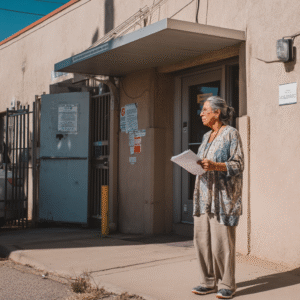
 The social determinants of health (SDOH)—including economic stability, education, neighborhood and physical environment, social context, social norms, economic factors, and healthcare access—play a major role in mental health outcomes. Social determinants of health (SDOH) are the conditions in the environments where people are born, live, learn, work, play, worship, and age that affect health outcomes. SDOH are the conditions in which people grow, live, learn, and work. These factors are the primary drivers of health outcomes and health disparities, shaping people’s daily life experiences and routines, and influencing their ability to access care and maintain well-being. Addressing social determinants is essential as a strategic approach to improve health outcomes and reduce disparities. Social norms, physical environment, and economic factors are key components that contribute to health disparities and overall well-being. SDOH not only impact health outcomes but also affect quality of life outcomes, highlighting the broader effects on long-term health and well-being. These factors often create barriers that prevent people from receiving timely psychiatric care, especially in rural, tribal, and underserved communities.
FasPsych specializes in telepsychiatry services and integrated behavioral health staffing solutions. The company partners with hospitals, community mental health centers, FQHCs, rural clinics, tribal facilities, and correctional systems to deliver expert psychiatric care via secure video and telephone platforms.
By removing geographic, logistical, and economic barriers, FasPsych telepsychiatry directly applies SDOH principles to improve mental health equity.
Introduction to Social Determinants of Health (SDOH)
Social determinants of health (SDOH) are the broad range of social, economic, and environmental factors that influence health outcomes throughout a person’s life. According to the World Health Organization, these determinants include the conditions in which people are born, grow, live, work, and age, all shaped by the distribution of resources and opportunities. SDOH have a profound impact on health equity, affecting everything from access to healthcare services to overall quality of life. Socioeconomic factors, such as income and education, and environmental factors, like safe housing and clean air, play a crucial role in shaping health status and the likelihood of experiencing poor health outcomes. SDOH also shape health behaviors such as diet, exercise, tobacco use, alcohol consumption, and drug use, which are often influenced by social and environmental conditions.
By addressing these determinants, public health organizations and healthcare providers can develop targeted strategies to improve health outcomes, reduce health disparities, and promote health equity across populations. Understanding and acting on the social determinants of health is essential for improving population health and ensuring that everyone has the opportunity to achieve their best possible health. This understanding has significant policy implications, as it can inform the development of health policies aimed at addressing social conditions and advancing health equity, including expanded use of accessible telepsychiatry and behavioral health staffing solutions.
Systematic reviews have demonstrated the impact of SDOH on health outcomes and health behaviors, providing comprehensive evidence to guide public health strategies and policy decisions, and underscore the value of comprehensive telepsychiatry and integrated telehealth solutions for expanding access to mental health care.
1. Healthcare Access and Quality: The Primary SDOH Domain FasPsych Addresses
Mental health professional shortages affect millions of Americans, particularly in rural and low-income areas. Traditional in-person psychiatry often means long travel, extended wait times, or no care at all. Social determinants of health, such as transportation challenges, socioeconomic barriers, and neighborhood conditions, can create significant barriers to care. These barriers often result in delayed care, which negatively impacts health outcomes and can lead to higher readmission rates.
FasPsych telepsychiatry serviceseliminate these obstacles by providing comprehensive telepsychiatry services for diverse care settings such as:
24/7 crisis intervention and on-call coverage
Ongoing medication management and therapy
Seamless integration of social determinants of health (SDoH) data into electronic health records (EHRs) such as Epic, Cerner, and others, improving screening, data collection, and follow-up
This scalable model dramatically expands mental health access where it is needed most.
Healthcare providers can screen patients for health-related social needs to improve health care delivery. Identifying and addressing health related social needs through screening helps organizations deliver more comprehensive and effective care. Implementing screening tools in clinical settings enables identification of needs like food insecurity or housing instability, and links patients to social services.
2. Neighborhood and Built Environment Barriers
Many rural and frontier communities face limited broadband or technology access. FasPsych’s flexible platform supports high-quality telephone encounters when video isn’t feasible, with dedicated technical support to resolve connectivity issues quickly.
Connecting patients to local community services can help address environmental barriers to care by linking them with resources that support their overall well-being.
This approach ensures that infrastructure limitations do not block access to essential telepsychiatry services. In addition, rural areas often have fewer choices for acquiring healthy food, which can impact nutrition and health outcomes. Urban health is also impacted by built environment factors, including access to nutritious foods and opportunities for physical activity. Access to healthy food is important, but so is physical activity—neighborhood features like parks and recreation areas influence individuals’ engagement in physical activity, which in turn affects health outcomes and life expectancy. Establishing community gardens, bringing grocery stores to food deserts, and implementing food prescription programs can further enhance food and nutrition security.
Rural Health and SDOH: Bridging the Gap with Telepsychiatry
Rural communities often face unique challenges related to social determinants of health, including limited access to healthcare services, fewer economic opportunities, and inadequate transportation infrastructure, as well as limited access to telepsychiatry-supported emergency department care when mental health crises arise. These factors contribute to health disparities and poor health outcomes, particularly in mental health. Telepsychiatry offers a powerful solution by connecting rural residents to essential mental health services, regardless of their location. Community health workers play a vital role in this model, helping patients navigate the healthcare system, providing social support, and linking individuals to valuable community resources. By leveraging telepsychiatry and the support of community health workers, healthcare organizations can address key determinants of health, improve population health, and reduce health disparities in rural areas. This approach not only expands access to mental health care but also strengthens community health and supports better long-term outcomes for individuals facing barriers due to geography or socioeconomic status.
Housing and SDOH: Addressing Stability and Security in Mental Health Care
Stable and secure housing is a fundamental component of good mental health and overall well-being. For many low-income families and individuals living with chronic diseases, housing instability can lead to increased stress, anxiety, and poor health outcomes. Addressing housing needs is essential for reducing health disparities and supporting mental health recovery. Public health organizations and healthcare providers can collaborate to offer housing assistance, connect patients to support services, and ensure access to community resources that promote stability, often supported by flexible telepsychiatry staffing solutions for clinics and hospitals. By focusing on the social determinants of health and providing comprehensive support, these partnerships help individuals achieve better health outcomes, reduce the risk of chronic diseases, and improve their quality of life. Ensuring access to safe and affordable housing is a critical step in improving health and reducing disparities across vulnerable populations.
Transportation and SDOH: Overcoming Mobility Barriers to Access
Reliable transportation is a key factor in accessing healthcare services, healthy foods, and other essential resources that support good health. In many rural and low-income communities, limited public transportation options can create significant barriers, leading to missed appointments and unmet health needs. Public health organizations and healthcare providers can address these challenges by developing transportation services, advocating for improved public transportation infrastructure, and connecting patients to local community resources. By tackling transportation barriers as a social determinant of health, communities can improve health outcomes, reduce health disparities, and enhance overall quality of life. Ensuring that individuals have the means to reach healthcare services and healthy foods is vital for promoting public health and supporting the well-being of all community members.
3. Economic Stability and Affordability
In-person appointments often require time off work, travel costs, and childcare—economic factors that hit low-wage families hardest. FasPsych’s virtual model removes these expenses.
Economic stability affects access to healthy food, housing, and healthcare, with 1 in 10 Americans living in poverty, driving demand for cost-effective models such as those outlined in guidance on selecting the right telepsychiatry company for your practice.
Partner organizations (especially FQHCs and community clinics) can offer sliding-scale fees, real-time e-prescribing, and pharmacy coordination, making treatment more affordable and improving medication adherence.
4. Social and Community Context: Equity and Cultural Competence
FasPsych works closely with partner organizations to customize services to local demographics, drawing on a nationwide network of telepsychiatry providers and operating in accordance with our Privacy Policy:
Provider matching for cultural or linguistic alignment
Flexible scheduling (evenings and weekends)
Long-term continuity of care instead of rotating staff
Culturally responsive protocols developed in partnership with clinic leadership to support health and well-being through community partnerships and tailored care initiatives
These practices reduce stigma, build trust, and increase engagement for populations facing discrimination, historical mistrust, or social isolation, and they align with best practices for choosing the right telepsychiatry partner for organizational success.Health literacy is essential for effective care and engagement, as it enables individuals to understand health information, manage illnesses, and access preventive services. Rural residents often have lower health literacy, which can affect their ability to manage health conditions effectively.
Healthy People and Communities: Building a Foundation for Well-Being
Healthy people and thriving communities are at the heart of well-being, and achieving this goal requires a comprehensive approach to the social determinants of health (SDOH) that shape health outcomes. The World Health Organization emphasizes that SDOH—such as economic stability, quality education, stable housing, and access to health care—are the conditions in which people are born, grow, live, work, and age. These social and economic factors have a profound influence on health status and are key drivers of health disparities across populations.
In the United States, the federal government, particularly the Department of Health and Human Services, plays a pivotal role in advancing health equity and reducing health disparities. Programs like the Children’s Health Insurance Program (CHIP) are designed to improve health equity by providing essential health care coverage to low-income children, ensuring that vulnerable populations have access to primary care and preventive services. Community health centers are another cornerstone, delivering high quality health care to underserved populations and helping to bridge gaps in access for those facing restricted access due to socioeconomic status or geographic barriers.
Despite these efforts, significant health disparities persist, especially among individuals with low socioeconomic status. Economic instability, limited access to nutritious foods, transportation barriers, and unstable housing all contribute to poor health outcomes and higher rates of chronic conditions such as cardiovascular disease. These challenges are particularly acute for underserved and ethnic minority communities, where social determinants of health can limit opportunities for health promotion and disease prevention.
To address these complex issues, it is essential to develop policies and programs that target the root causes of health inequities. The National Academies Press and the American Journal of Public Health have both highlighted, through systematic reviews and policy reports, the importance of addressing SDOH to improve health outcomes and reduce health disparities. Public health organizations and community-based organizations (CBOs) are critical partners in this work, providing social support networks, housing assistance, food security programs, and transportation services that directly influence health and well-being, often in collaboration with telepsychiatry services for FQHCs that extend behavioral health access in underserved areas.
Innovative approaches, such as alternative payment models, are also gaining traction in the health care sector, particularly for organizations like CMHCs that are adopting telepsychiatry to empower their clinics and better meet community mental health needs. These models incentivize health care providers to focus on outcomes and address social determinants by rewarding improvements in population health, reductions in hospital readmissions, and better management of chronic conditions. By aligning financial incentives with health equity goals, alternative payment models encourage the health care system to look beyond medical care and invest in the social and economic factors that drive better health outcomes.
Ultimately, building a foundation for well-being requires a coordinated effort across sectors—health and human services, public health, community health centers, and CBOs—to address the social determinants of health. By developing policies, supporting community-based initiatives, and leveraging innovative payment models, we can advance health equity, reduce health disparities, and create healthier communities for all. Working together, we can ensure that every individual, regardless of socioeconomic status or background, has the opportunity to achieve optimal health and well-being.
Policy and Advocacy: Shaping a More Equitable Future for Mental Health Access
Effective policy and advocacy are essential for addressing the root causes of health inequities and advancing mental health access for all. The policy implications of addressing social determinants of health are significant, as they inform the development of strategies that can reduce health disparities and promote health equity. According to public health manag pract, integrating community-based strategies into public health policy and management practices is key to improving population health outcomes. Health Affairs provides authoritative policy analysis and legislative reports on healthcare systems and health disparities, offering valuable insights for shaping effective interventions. Barriers such as limited insurance coverage and lack of transportation can reduce access to care, further exacerbating health disparities among vulnerable populations. Legislation can improve health equity by addressing systemic barriers faced by these groups, ensuring more equitable distribution of resources and services. Using participatory budgeting allows residents to have a direct say in how funding and resources are allocated, fostering community engagement and accountability. Implementing policies like smoke-free zones and leveraging Medicaid reimbursement for social service referrals support the sustainability of health initiatives and promote long-term well-being.
Healthcare providers, public health organizations, and community partners must work together to develop and implement policies that address upstream social determinants, such as housing assistance, job training, and nutrition programs. By supporting assistance programs and encouraging partner alignment, communities can conduct comprehensive community health needs assessments and build accountable health communities that respond to local needs. These efforts help improve health outcomes, reduce poor health outcomes, and promote health equity across populations. Advocacy for policies that expand healthcare access and address social determinants is crucial for reducing health disparities and ensuring that everyone has the opportunity to achieve optimal mental health and well-being, especially as community mental health centers leverage telepsychiatry tailored to CMHCs to respond to rising demand. Through collaborative action and a focus on social determinants, we can create a more just and equitable health system for all.
Real-World Impact of FasPsych Telepsychiatry on SDOH
In rural health clinics, integrated telepsychiatry supports patients whose depression or anxiety is compounded by housing instability, food insecurity, or unemployment, with particular attention to vulnerable populations such as children, whose health outcomes are especially impacted by environmental exposures and socio-economic factors. Children born to parents who have not completed high school are more likely to live in environments that pose barriers to health.
In community mental health centers, FasPsych providers address the full spectrum of behavioral health needs alongside primary care.
In correctional and tribal settings, timely virtual care reduces crises and supports better long-term outcomes.
FasPsych and its partners collect data, engage communities, and utilize screening tools to develop strategies that address the full spectrum of social determinants of health.
Conclusion: Telepsychiatry as a Practical SDOH Solution
FasPsych’s telepsychiatry and behavioral health staffing solutions are more than a delivery method—they are a proven way to apply social determinants of health principles in everyday practice. By systematically reducing barriers to care, FasPsych helps safety-net organizations deliver equitable, patient-centered mental health services that address both symptoms and underlying social drivers.
If your organization is looking to improve mental health access, close care gaps, or implement scalable telepsychiatry services, FasPsych is a trusted partner with nearly two decades of experience and a proven track record as your telepsychiatry integration provider.
Contact FasPsych today to learn how their telepsychiatry staffing solutions can support your community.