


Medication-Assisted Treatment (MAT) programs, also known as Medications for Opioid Use Disorder (MOUD), are considered the gold standard for treating addictions – moving past the previous assumptions about the success of support groups. An MAT healthcare provider combines FDA-approved medications with counseling and behavioral therapies to treat substance use disorders. Here is how MAT works: it uses medications to address the biological aspects of addiction while integrating therapy to support behavioral change. The FDA has approved three medications for treating OUD: methadone, buprenorphine, and naltrexone. MAT is a key component in the treatment of opioid use disorder and other forms of drug addiction, providing a comprehensive approach to recovery. A common misconception is that MAT simply substitutes one drug for another, but in reality, it is a medically supervised approach that helps manage the physical aspects of addiction, much like taking medication for chronic conditions such as diabetes. MAT addresses withdrawal symptoms, reduces cravings, and supports long-term recovery by stabilizing brain chemistry and enabling participation in therapy, employment, and family life.
Providers who offer MAT must comply with specific regulatory requirements, including those established by the Drug Addiction Treatment Act (DATA 2000), which allows qualified clinicians to prescribe medications like buprenorphine for opioid use disorder outside of specialized addiction treatment settings.
As of 2026, MAT remains the gold standard for addiction treatment, particularly for opioids, backed by decades of research and recent data showing significant reductions in overdose deaths and improved outcomes. Many patients and people struggling with opioid use disorder have benefited from MAT, demonstrating its widespread impact. In addition to improved outcomes, MAT contributes to disease control and can reduce criminal activity associated with opioid misuse. When considering treatment options for drug addiction, MAT stands out as an evidence-based approach among a variety of available modalities.
What Is Medication-Assisted Treatment (MAT)?
MAT uses medications like buprenorphine (a partial agonist that activates opioid receptors to reduce cravings and withdrawal symptoms without producing full euphoric effects), methadone, and extended release naltrexone to manage opioid or alcohol use disorders. These three medications are the main MAT options, forming the cornerstone of evidence-based treatment for opioid use disorder. MAT is used to treat opioid use disorder (OUD), treat opioid addiction, and treat OUD by helping to reduce cravings, prevent withdrawal, and support recovery.
There are different treatment pathways for MAT, including methadone clinics, which are federally regulated and certified opioid treatment programs that administer medications like methadone under supervision, and outpatient buprenorphine/naloxone (Suboxone) treatment. Buprenorphine/naloxone (Suboxone) is often used in outpatient settings for treating OUD, making MAT more accessible in primary care and rural environments. Treatment pathways may vary based on patient needs, regulatory requirements, and provider settings.
These medications:
Prevent withdrawal and reduce cravings
Block euphoric effects of illicit opioids
May or may not produce physical dependence, depending on their mechanism of action (for example, opioid antagonists like naltrexone do not produce physical dependence, while agonists and partial agonists may)
Allow individuals to focus on counseling and rebuilding their lives
MAT is evidence-based and recommended as the first line of treatment for opioid use disorder by several health organizations. Research shows that MAT can reduce emergency department utilization rates by 51%. A large study has compared the comparative effectiveness of different MAT options, such as buprenorphine and methadone, for OUD, highlighting the importance of selecting the right treatment pathway for each patient.
Unlike detoxification alone, MAT provides a comprehensive, whole-person approach. This integrated approach combines medical, counseling, and social services to address the multifaceted needs of individuals with OUD. MAT is safe, effective, and recommended by major organizations including the Substance Abuse and Mental Health Services Administration (SAMHSA), American Society of Addiction Medicine (ASAM), and FDA. Counseling and behavioral therapies, including psychosocial treatment, are essential complementary therapies that improve treatment outcomes and support long-term recovery.
Why MAT Is the Gold Standard: Latest Evidence in 2026
Recent studies and reports from 2025–2026 reaffirm MAT’s effectiveness:
Methadone and buprenorphine reduce overdose risk by 50% compared to no treatment or naltrexone alone (National Association of Counties, 2026).
Comparative effectiveness research, including large-scale studies, has shown that both buprenorphine and methadone are effective for opioid use disorder, with some evidence suggesting that specific formulations like Suboxone may offer additional benefits for certain patients.
MAT increases treatment retention, lowers relapse rates, and supports recovery in diverse populations, including pregnant individuals (ASAM National Practice Guideline updates and FDA guidance).
In correctional settings, jail-based MAT improves post-release engagement and reduces illicit opioid use (NCCHC 2025 guidelines and meta-analyses).
Treatment programs and opioid treatment programs play a critical role in providing access to MAT, especially in rural and underserved areas where provider shortages and logistical barriers are significant. Addiction treatment programs that incorporate MAT have demonstrated enhanced patient adherence and improved health outcomes for individuals with substance use disorders.
Patients are typically assessed for opioid withdrawal using the Clinical Opiate Withdrawal Scale (COWS) before starting MAT to ensure safe induction.
The ability to prescribe buprenorphine requires a DEA waiver, and expanding the number of authorized MAT providers is essential to improving access, particularly in outpatient and primary care settings. The expertise of a mat provider is crucial for ongoing support and successful management of patients receiving medication-assisted treatment.
Federal law governs the administration, prescription, and regulation of medications like methadone and buprenorphine for opioid use disorder, ensuring that MAT is delivered safely and effectively within certified treatment programs and outpatient settings.
Patients receiving treatment for opioid use disorder often face societal stigma, which can negatively impact their willingness to seek help and their treatment outcomes.
Addressing the whole patient—including medical, mental health, and social needs—is vital for effective MAT and long-term recovery. OUD treatment that integrates MAT with supportive services is a key component of comprehensive care.
Emerging integrations, such as mobile health apps for MAT management, show increased patient engagement in primary care (2025 quasi-experimental studies).
The opioid epidemic continues to present a major public health challenge, making expanded access to MAT a critical strategy for reducing overdose rates and improving community health.
MAT has been shown to significantly reduce drug overdoses and is associated with lower rates of opioid related overdose deaths, especially when access is supported by federal, state, and private funding initiatives.
Despite a complex illicit drug supply involving fentanyl, expanded MOUD access has contributed to declining opioid overdose deaths in many areas. However, significant barriers to treatment access remain, including provider shortages, high out-of-pocket costs, varying insurance coverage, and logistical challenges such as transportation and daily medication requirements.
Most health insurance plans cover at least a portion of MAT treatment, but many people still die waiting to receive treatment due to insufficient access, especially in rural areas where nearly 30% of residents live in a county without a buprenorphine provider. Outpatient primary care practices offering MAT are rare in these regions, and rural physicians often cite lack of mentorship and concerns about drug diversion as reasons for not providing MAT. Protocols for MAT induction, such as scheduling patients one week prior to consultation and using telehealth for follow-up after treatment plans are established, can help improve access and support among staff. Stigma and misconceptions about MAT—such as the belief that it substitutes one addiction for another—continue to deter individuals from seeking care and contribute to resistance among policymakers, treatment providers, and communities, despite decades of clinical research supporting MAT’s efficacy. Healthcare systems play a vital role in supporting MAT by ensuring parity in coverage and reimbursement for addiction services, which is essential for expanding access and improving outcomes.
Common Myths About MAT Debunked
Myth: MAT just replaces one addiction with another.
Fact: Properly dosed medications stabilize brain function without causing impairment, enabling productive daily life and therapy participation. MAT does not produce the ‘negative effects’ or ‘high’ associated with illicit opioid use. Taking medication for opioid use disorder is similar to taking medication for other chronic diseases, as it helps restore brain chemistry, reduce cravings, and support recovery without creating a new addiction. MAT also plays a key role in relapse prevention by reducing the risk of returning to substance use and supporting the development of coping skills alongside counseling and behavioral strategies. Medical information related to MAT is confidential and protected, ensuring patient privacy and compliance with legal standards. Prescription pain relievers are often involved in opioid use disorder, and MAT helps manage dependence on these medications.
Myth: MAT must be short-term.
Fact: Like treatments for diabetes or hypertension, duration varies by individual—some benefit from long-term use under medical supervision. Ongoing support is essential throughout the recovery journey, as comprehensive treatment approaches and support systems help address both the physical and psychological aspects of recovery.
Myth: MAT harms pregnant individuals or fetuses.
Fact: MAT is the recommended standard, reducing relapse, overdose, and neonatal risks while promoting healthier outcomes.
A lack of information leads to stigma and misconceptions, as is often the case with new psychiatric treatments. This can contribute to resistance among policymakers, treatment providers, and communities to support the use of MAT. Education and collaboration across systems helps reduce stigma and improve access.
Insurance Coverage for Medication-Assisted Treatment
Medication-Assisted Treatment (MAT) for opioid use disorder and other substance use disorders is now widely supported by most health insurance plans, including Medicaid and Medicare. Thanks to the Mental Health Parity and Addiction Equity Act, group health plans are required to provide the same level of coverage for substance abuse treatment—including MAT—as they do for other medical and surgical care. The Affordable Care Act further ensures that essential health benefits, such as medication assisted treatment MAT and substance abuse treatment, are included in most insurance plans.
Coverage specifics can vary by insurer and plan, so it’s important for organizations and patients to verify the details with their insurance provider. The Substance Abuse and Mental Health Services Administration (SAMHSA) and the Department of Health and Human Services (HHS) have launched initiatives to expand access to MAT and reduce out-of-pocket costs. Many states have broadened Medicaid coverage to include methadone maintenance treatment, buprenorphine prescriptions, and other FDA approved medications for opioid use disorder. Additionally, pharmaceutical companies often provide patient assistance programs to help offset the cost of medications for those who qualify.
By leveraging these resources, healthcare organizations can help more individuals access effective, evidence-based assisted treatment for opioid use and other substance use disorders, supporting better outcomes and reducing the burden of addiction. The World Health Organization recognizes medications like buprenorphine and methadone as essential medicines for opioid use disorder, endorsing MAT as a vital, evidence-based approach to harm reduction and recovery. MAT not only reduces relapse rates and supports recovery, but also improves overall health for individuals with substance use disorders.
How Long Does MAT Treatment Last?
The length of Medication-Assisted Treatment (MAT) is highly individualized and depends on each patient’s unique needs, history, and recovery goals. MAT is designed as a long-term, comprehensive approach to treating opioid use disorder, with some individuals benefiting from several months of treatment, while others may require ongoing support for years or even a lifetime.
Research shows that longer durations of medication assisted treatment MAT are linked to lower rates of opioid misuse, improved stability, and a higher likelihood of sustained recovery. The National Institutes of Health recommend that MAT be continued for at least 12 months to maximize effectiveness, though some patients may need extended care. Throughout treatment, ongoing medication management, behavioral therapies, and counseling are essential components that support recovery and address the underlying disorder. For many patients, intensive outpatient programs can provide a structured level of care within the continuum of treatment, offering comprehensive support while allowing individuals to maintain daily routines.
Decisions about tapering or discontinuing medications should always be made collaboratively with a healthcare provider, ensuring that the patient’s safety and long-term well-being remain the top priorities. By personalizing the duration of assisted treatment, organizations can help patients achieve lasting recovery from opioid use disorder.
Addressing Risks and Concerns for Opioid Use
Opioid use disorder (OUD) presents serious risks, including opioid overdose, severe withdrawal symptoms, and the potential for misuse or diversion of prescription medications. Drug use, particularly illicit opioid use, increases the risk of overdose, infectious diseases, and other health complications. Medication-Assisted Treatment (MAT) is a proven, effective treatment that addresses these challenges by reducing opioid cravings, managing withdrawal symptoms, and blocking the euphoric effects of opioids.
The three FDA-approved medications for OUD—methadone, buprenorphine, and naltrexone—each play a critical role in reducing opioid misuse and overdose risk. Methadone and buprenorphine are especially effective at controlling opioid cravings and withdrawal, while naltrexone prevents opioids from producing their euphoric effects. MAT providers carefully assess each patient to determine the most appropriate medication and dosage, minimizing risks and supporting safe, effective treatment. MAT is also a key strategy in managing opioid dependence, helping individuals stabilize their lives and engage in long-term recovery.
Despite persistent myths—such as the belief that MAT simply replaces one drug with another—research shows that medication assisted treatment MAT is a highly effective approach that helps individuals achieve and sustain recovery. Comprehensive care for OUD should include medical care as an essential component, ensuring that both addiction and overall health needs are addressed. By addressing the real risks of opioid use disorder OUD and providing access to evidence-based treatment, healthcare organizations can reduce the incidence of opioid overdose, improve patient outcomes, and support public health efforts to combat the opioid crisis.
How Telepsychiatry Enhances MAT Integration in Facilities
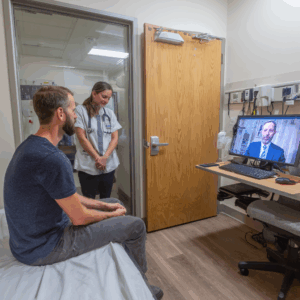
Telepsychiatry delivers psychiatric care via secure video, overcoming barriers like staffing shortages, rural locations, and high costs. FasPsych can support the management of alcohol abuse and treat alcohol use disorder by providing access to medications and counseling remotely. Comprehensive telepsychiatry services also include screening for infectious diseases such as hepatitis C in patients with opioid use disorder. Medication-assisted treatment can also help reduce the risk of HIV transmission among individuals with opioid use disorder. This approach enables whole patient care by addressing medical, mental health, and substance use needs in an integrated manner.
In Rehab and Residential Treatment Facilities
Telepsychiatry connects patients to remote specialists for MAT assessments, medication prescribing, and counseling. In residential treatment programs, telepsychiatry enables seamless access to specialized MAT providers for both initial assessment and ongoing care, ensuring patients receive expert support as part of a structured recovery plan. This expands capacity, shortens wait times, and supports personalized care without additional on-site staff.
In Medical and Primary Care Facilities
It integrates behavioral health with physical health services, addressing co-occurring disorders and chronic conditions alongside MAT for better overall outcomes. Telepsychiatry also enables primary care providers to prescribe buprenorphine and consult with MAT providers, expanding access to medication assisted treatment for opioid use disorder (OUD) in outpatient and primary care settings.
In Correctional Facilities
With high rates of substance use and mental health needs among inmates, telepsychiatry provides timely MAT initiation, crisis intervention, and continuity of care. Providing medication-assisted treatment (MAT) in correctional facilities has been shown to reduce criminal activity and support successful reentry into the community. It reduces transportation risks, lowers costs (often saving thousands annually), and decreases recidivism and violence. Recent implementations in states like Maryland and others demonstrate effective tele-MOUD delivery in jails and prisons, ensuring evidence-based treatment from intake through reentry.
Telepsychiatry is HIPAA-compliant, scalable, and promotes equity in underserved areas
Partner with FasPsych for Telepsychiatry Solutions
Facility administrators and medical providers: If you’re ready to integrate the gold standard of addiction treatment (MAT) through innovative telepsychiatry solutions, contact FasPsych today.
Based in Scottsdale, Arizona, FasPsych connects organizations with licensed psychiatry professionals for virtual behavioral health services. Their secure platform supports evidence-based care, including MAT for substance use disorders, across inpatient/outpatient settings, correctional facilities, residential treatment centers, and more. Services include assessments, medication management, crisis intervention, and EHR integration—with flexible models and no upfront costs.
Learn how FasPsych can enhance your facility’s care: Call 877-218-4070 or visit the websiteExplore partnership options at Partner With Us to join the network today. Expand access to life-saving treatment—transform lives now.
FAQ: Medication-Assisted Treatment and Telepsychiatry
What is the gold standard treatment for opioid addiction?
MAT (using buprenorphine, methadone, or naltrexone) is widely recognized as the gold standard, reducing overdose risk by up to 50% and improving recovery outcomes.
Is MAT effective for alcohol use disorder too?
Yes, medications like naltrexone support AUD recovery when combined with therapy.
Can telepsychiatry prescribe MAT medications?
Yes—licensed providers via secure platforms can assess, prescribe, and manage MAT remotely, including in correctional and rural settings.
How does telepsychiatry benefit correctional facilities?
It provides 24/7 access to psychiatrists, reduces inmate transport needs, lowers costs, and supports MAT continuity to decrease recidivism and overdoses.
Is MAT safe for long-term use?
Yes, like other chronic condition treatments, it can be ongoing if beneficial, with safe tapering under medical guidance.
How can my facility start using FasPsych telepsychiatry?
Contact FasPsych at 877-218-4070 or visit FasPsych to discuss customized solutions for MAT integration and behavioral health support.