


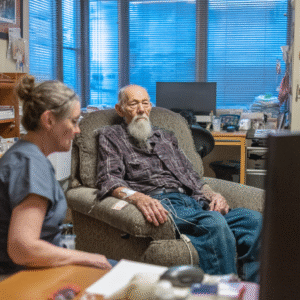
 Community clinics across the United States are experiencing a 340% increase in telehealth medication service demand, yet 73% report struggling with implementation challenges that directly impact patient outcomes and operational efficiency. This dramatic surge isn’t just a temporary pandemic response—it represents a fundamental shift in how mental health and primary care services reach underserved populations.
For clinic administrators and healthcare providers, the pressure to deliver effective telehealth medication services while maintaining quality standards and regulatory compliance has never been greater. You’re tasked with navigating complex technology integrations, ensuring patient safety protocols, and demonstrating measurable ROI to stakeholders—all while serving communities that depend on accessible, affordable care.
The stakes couldn’t be higher. Successful telehealth medication optimization can reduce patient wait times by up to 60%, decrease operational costs by 35%, and improve medication adherence rates significantly. However, poorly implemented systems often result in workflow disruptions, compliance violations, and ultimately, compromised patient care.
This comprehensive guide addresses the critical implementation challenges facing community clinics today. You’ll discover proven frameworks for establishing telehealth medication services, from initial technology selection and staff training to regulatory compliance and outcome measurement. We’ll examine real-world case studies from clinics that have successfully transformed their medication management processes, along with actionable strategies for overcoming common implementation barriers, where primary care providers and behavioral health specialists collaborate in a team approach to patient-centered care.
Whether you’re launching your first telehealth medication program or optimizing existing services, the following evidence-based approaches will help you build sustainable systems that enhance both patient outcomes and operational effectiveness. Organizations like FasPsych have worked extensively with community clinics to develop these implementation strategies, providing insights into what works—and what doesn’t—when scaling telehealth medication services for diverse patient populations.
Key Takeaways
1. Community clinics can enhance telehealth medication services by implementing robust technology platforms that seamlessly integrate virtual prescribing and patient management workflows.
2. Developing flexible staffing models that combine clinical expertise with technological proficiency is crucial for delivering effective virtual medication management.
3. Proactive patient support systems and hybrid care models are essential for bridging prescription access gaps and improving medication adherence in telehealth environments.
4. Healthcare equity in virtual medication services requires targeted strategies that address technological barriers and provide community-centered care approaches.
5. Implementing automated monitoring and engagement protocols can significantly improve patient follow-up and long-term medication management outcomes in telehealth settings.
Understanding Telehealth Medication Management Infrastructure Requirements
Essential Technology Platforms for Virtual Prescribing
When implementing virtual prescribing capabilities, you must address the fundamental infrastructure gap between prescription and dispensing. Research shows that while virtual visits increased antidepressant prescribing, patients were significantly less likely to actually receive these medications, highlighting critical systemic barriers.
Your core technology stack requires three essential components: integrated electronic health records (EHR) with e-prescribing capabilities, secure video conferencing platforms, and robust patient communication systems. Medication management includes determining the best medication, dosage, and timing for patients. Effective virtual care infrastructure requires resources comparable to health systems serving millions of members.
Platform selection should prioritize EHR integration supporting seamless prescription workflows. Your e-prescribing system must connect directly to pharmacy networks while maintaining HIPAA compliance. Medication management services are provided alongside counseling for mental health and substance use disorders. Different virtual modalities show varying effects, with telephone visits demonstrating more pronounced disparities in medication receipt and follow-up care.
All 50 states, Washington DC, and Puerto Rico now provide live video telehealth reimbursement through Medicaid, creating financial viability for platform investments. Focus on solutions addressing the prescription-to-dispensing gap through automated pharmacy notifications, patient medication reminders, and integrated adherence monitoring tools.
Staffing Models for Virtual Medication Services
Implementing effective virtual medication management requires carefully structured staffing models addressing unique remote care challenges. Virtual visits lead to increased prescribing but patients are less likely to receive medications, particularly through telephone consultations, highlighting the need for comprehensive care coordination teams. Often, community clinics offer personalized, long-term care that includes medication reconciliation and addressing polypharmacy. Additionally, medication diversion is a serious concern that also needs to be addressed in remote care scenarios. Incorporation of state level prescription monitoring programs must be a key in bringing in medication management.
Successful virtual medication services employ a multi-disciplinary approach with three core roles: Coordinate pharmacy integration for medication therapy management, drug interaction screening, and patient education; care coordinators to bridge prescribing and adherence gaps through follow-up calls and compliance monitoring; and provider scheduling optimization ensuring appropriate caseloads while accommodating extended virtual consultation times. Effective treatment plans require communication between pharmacists and primary care physicians. Community partnerships are essential for providing outpatient mental health and crisis services in rural areas.
Staffing models must account for experience variability, where difficult telehealth experiences reduce future usage intention by 16 percentage points. With 78% of leaders anticipating platform investments within 1-3 years, organizations should prioritize staffing infrastructure delivering consistent, high-quality virtual medication management across all patient populations. Community clinics address Social Determinants of Health by helping patients with transportation to pharmacies and offering sliding-scale fees for affordability.
Bridging the Prescription-to-Dispensing Gap in Virtual Care
Streamlining Virtual Prescription Workflows
Effective virtual prescription workflows require systematic coordination between providers, pharmacies, and patients to bridge the critical gap between prescribing and dispensing. Research reveals a concerning disconnect: while virtual visits led to increased antidepressant prescribing, patients were 52% less likely to actually receive these medications compared to in-person prescriptions.
The most significant barrier involves real-time pharmacy coordination. Traditional workflows assume immediate patient presence for medication pickup, but virtual care disrupts this assumption. Successful clinics implement automated prescription tracking systems that monitor fulfillment status and trigger follow-up interventions when patients fail to collect medications within 72 hours.
Medication reviews show one of the largest experience gaps with a 16-percentage point difference in future usage intention between patients with easy versus difficult experiences. Leading organizations establish dedicated pharmacy liaisons who coordinate directly with virtual providers during consultations, enabling real-time insurance verification and alternative medication selection when formulary issues arise.
Patient Support Systems for Medication Access
Community-based solutions require targeted interventions to address local access challenges. Transportation assistance programs, particularly in rural areas where infrastructure limitations affect nearly one-third of populations, can connect patients to local pharmacies through strategic pharmacy partnerships and medication delivery programs.
Support systems must address persistent demographic disparities. While overall mental health medication adherence improved during the pandemic (nonadherence rates dropping from 39% to 35%), Black patients experienced worsening adherence rates, increasing from 47% to 49%.
FasPsych’s integrated platform addresses these workflow gaps through the use of existing seamless electronic prescribing, built-in pharmacy communication tools, and dedicated medication access specialists who work directly with community pharmacies and transportation services. Learn more about their on-demand psychiatry services.
Optimizing Virtual Care Modalities for Medication Management
Telephone vs Video Consultation Effectiveness
When evaluating modalities for medication management, research reveals significant differences between telephone and video consultations that directly impact patient outcomes and adherence rates.
A critical finding shows that while virtual visits, particularly telephone consultations, led to increased antidepressant prescribing, patients were significantly less likely to actually receive these medications compared to in-person visits. This prescription-to-dispensing gap highlights a fundamental challenge in virtual medication management requiring systematic workflow improvements.
The effectiveness gap becomes more pronounced when examining patient experience data. Community clinics provide medication management services for individuals with mental health and substance use disorders, but medication reviews show one of the largest experience disparities in telehealth, with a 16-percentage point difference in future usage intention between patients with easy versus difficult experiences (74% vs 58%). This variability suggests success depends heavily on implementation quality and support systems.
For community clinics, telephone consultations often provide superior accessibility for patients lacking reliable internet or video-capable devices. However, video consultations enable better assessment of medication side effects through visual observation and improve patient engagement. The optimal approach involves matching modality to patient needs, clinical complexity, and available infrastructure while addressing systemic barriers preventing prescribed medications from reaching patients effectively.
Hybrid Care Models for Optimal Outcomes
Hybrid care models strategically combine virtual and in-person touchpoints to optimize medication management outcomes while addressing limitations of purely virtual approaches. This integrated approach is crucial given medication reviews show the largest experience gaps in telehealth.
Effective hybrid protocols establish clear criteria for modality transitions. Initial psychiatric evaluations and complex medication adjustments typically require in-person assessment, while routine follow-ups and adherence monitoring can be conducted virtually. However, the prescription versus dispensing gap presents challenges—virtual visits increased prescribing but patients were less likely to receive medications, suggesting systemic barriers.
Successful hybrid implementation requires proactive care coordination, where different virtual modalities are strategically deployed based on patient needs and clinical complexity, with predetermined escalation pathways ensuring seamless transitions when virtual modalities prove insufficient. This coordination of medication management can go beyond mental health as it is an evidence based tool. Effective medication management improves clinical markers for chronic conditions, such as lowering blood pressure and cholesterol levels, meaning community clinics often incorporate medication management alongside counseling services for comprehensive care.
Addressing Healthcare Equity in Virtual Medication Services
Identifying and Addressing Disparities in Virtual Care Access
Healthcare disparities in virtual medication services require targeted intervention strategies. A comprehensive study of 149,977 patients with mental health diagnoses across three U.S. health systems revealed concerning trends. While overall mental health medication adherence improved during the pandemic transition to virtual care—with nonadherence rates dropping from 39% to 35%—Black patients were the only demographic group that experienced worsening outcomes, with adherence rates declining from 47% to 49%.
These findings highlight the critical need for healthcare organizations to implement equity-focused virtual care protocols. Community clinics operate in rural areas to ensure accessible mental and behavioral health care. Rural populations face particularly acute challenges, with limited high-speed internet access affecting nearly one-third of rural communities, directly impacting video consultation capabilities.
Community-Centered Approaches to Equitable Care
Effective virtual medication services require deliberate community engagement strategies that address systemic barriers. The disparities are stark: while overall medication adherence improved during the pandemic, Black patients experienced worsening adherence rates, highlighting the need for community-centered interventions.
Recognition that not all patients can access video technology has led to permanent audio-only options for behavioral health services. Case studies have shown community health centers like La Clínica have pioneered locally-adapted telehealth programs, though implementation often takes longer than anticipated. Success requires partnering with local organizations to understand cultural preferences and barriers.
FasPsych’s community-centered approach involves working directly with local health centers to customize virtual medication management protocols that reflect each community’s unique demographic profile, technological capabilities, and cultural preferences, ensuring equitable access to psychiatric care across diverse populations.
Improving Follow-Up Care and Medication Adherence Monitoring
Automated Monitoring and Alert Systems
Automated monitoring and alert systems represent a critical technological advancement for community clinics seeking to optimize medication adherence and follow-up care. These systems leverage real-time data collection and algorithmic analysis to identify patients at risk of medication discontinuation before clinical deterioration occurs.
Modern remote patient monitoring (RPM) platforms integrate with electronic health records to track prescription refill patterns, patient-reported outcomes, and physiological markers through connected devices. With 42 state Medicaid programs now providing reimbursement for RPM services, clinics have stronger financial incentives to implement these technologies. The systems automatically generate alerts for missed doses, delayed refills, or concerning vital sign trends, enabling proactive clinical intervention.
Implementation requires careful attention to patient experience design. Medication reviews show one of the largest experience gaps in telehealth, with a 16-percentage point difference in future usage intention between patients with easy versus difficult experiences (74% vs 58%). Successful automated systems balance clinical oversight with patient autonomy, using graduated alert protocols that escalate from patient self-reminders to clinical team notifications.
Real-world implementations demonstrate 15% improvement in appointment adherence and significant reductions in hospital readmissions, representing a scalable solution for community clinics to manage growing patient populations while maintaining quality care standards.
Proactive Outreach and Engagement Protocols
Effective telehealth medication management requires systematic proactive outreach protocols that address virtual care delivery challenges. Research reveals that both telephone and video visits demonstrate significantly reduced follow-up rates (48% and 37% respectively) compared to in-person visits, making structured engagement protocols essential for maintaining therapeutic continuity.
Successful proactive outreach begins with automated care coordinator check-ins scheduled at strategic intervals—typically 48 hours post-appointment, one week, and monthly thereafter. These touchpoints utilize multiple communication channels, recognizing that convenience drives telehealth adoption at 65%, significantly outpacing speed of care (46%) and condition coverage (30%) as motivating factors.
Real-world examples show 15% improvement in appointment adherence, $1.2 million annual savings, and 10% readmission reductions. Critical to success is addressing the prescription-to-dispensing gap, where virtual visits led to increased prescribing but patients were significantly less likely to receive medications. Successful programs include pharmacy coordination protocols and medication receipt verification systems to close these care gaps effectively.
Frequently Asked Questions
Q: What technology infrastructure is essential for effective telehealth medication services?
Community clinics require robust electronic health record (EHR) systems, secure video conferencing platforms, e-prescribing software, and integrated patient management tools. Key technologies should support HIPAA compliance, real-time medication tracking, and seamless communication between healthcare providers and patients.
Q: How can telehealth services help improve medication access for underserved populations?
Telehealth medication services address healthcare equity by reducing transportation barriers, extending care to rural areas, providing flexible consultation times, and offering multilingual support. Community-centered approaches can include mobile technology support, sliding scale fees, and targeted outreach programs for marginalized communities.
Q: What strategies ensure medication adherence in virtual care settings?
Effective strategies include automated medication reminder systems, digital prescription tracking, periodic virtual check-ins, patient education modules, and proactive follow-up protocols. Advanced telehealth platforms can integrate medication adherence monitoring with personalized patient engagement tools to improve long-term treatment outcomes.
Q: What are the key differences between telephone and video consultations for medication management?
Video consultations offer more comprehensive patient assessments through visual cues and physical observation, while telephone consultations provide greater accessibility. Hybrid models combining both approaches can optimize care by matching consultation methods to patient needs, technological access, and specific medical requirements.
Q: How do community clinics staff and train teams for virtual medication services?
Successful virtual medication service teams require cross-trained healthcare professionals with digital literacy, strong communication skills, and specialized telehealth training. Staffing models should include physicians, nurse practitioners, pharmacists, and technical support specialists who can collaborate effectively in virtual care environments and understand digital health best practices.
Expert Insights
Transforming Healthcare Access Through Strategic Innovation
The optimization of telehealth medication services represents a pivotal transformation in how community clinics deliver essential healthcare to underserved populations. Throughout this exploration, you’ve discovered how successful clinics leverage integrated technology platforms, streamlined prescription workflows, and robust patient education systems to overcome traditional barriers to medication access. The evidence clearly demonstrates that when clinics prioritize user-friendly interfaces, establish secure communication channels, and implement comprehensive medication management protocols, they can dramatically improve patient outcomes while reducing costs.
The key takeaway is unmistakable: telehealth medication services are not merely a convenience—they are a necessity for creating equitable healthcare access in today’s digital age. Community clinics that embrace these optimization strategies position themselves as leaders in patient-centered care, capable of serving diverse populations regardless of geographic or socioeconomic constraints.
Your community’s healthcare future depends on the collective voice of patients and providers working together to refine these vital services. By sharing your experiences, you contribute valuable insights that help shape more effective, accessible telehealth solutions for everyone.
Share Your Telehealth Experience Now: Help Us Transform Community Healthcare! Contact an implementation specialist through our online form or call 877-218-4070.