


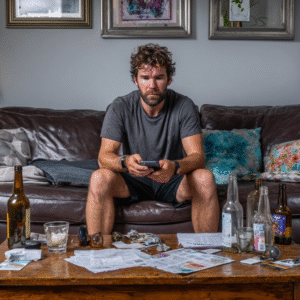
 Imagine placing a simple bet on the year’s biggest football showdown, only to find yourself spiraling into a cycle of losses, lies, and desperation—a reality for millions caught in the grip of gambling addiction during this high-stakes season. As major sporting events approach, the massive betting surge highlights a critical public health concern: gambling addiction treatment. This year, legal wagers on the Super Bowl are projected to reach $1.76 billion, a 27% increase from last year, according to the American Gaming Association. With sports betting now legalized in 39 states and the District of Columbia following the 2018 Supreme Court decision, billions are at stake—not just financially, but in terms of mental health and well-being. While many enjoy casual bets, for others, this surge can trigger or worsen gambling addiction, a serious psychiatric and psychological disorder affecting millions.
Introduction to Gambling Disorder
Gambling disorder—also known as compulsive gambling or gambling addiction—is a recognized behavioral addiction that involves persistent, maladaptive gambling behavior leading to significant distress or impairment in daily life. According to the Diagnostic and Statistical Manual of Mental Disorders (DSM-5), published by the American Psychiatric Association, gambling disorder is classified alongside substance-related and addictive disorders. This classification reflects the growing understanding that gambling addiction shares many features with substance use disorders, including similar diagnostic criteria, patterns of escalation, withdrawal symptoms, and genetic vulnerabilities.
Individuals with gambling disorder often struggle to control their gambling behavior, even as it causes serious problems in their finances, relationships, and mental health. Common personality traits among those affected include impulsivity and sensation-seeking, which can make it more challenging to stop gambling without professional help. Cognitive distortions—such as believing one can control random outcomes or recoup losses by continuing to gamble—further reinforce the cycle of problem gambling.
Cognitive behavioral therapy (CBT) is widely regarded as an effective treatment for gambling disorder. CBT helps individuals identify and challenge these cognitive distortions, develop healthier coping strategies, and reduce maladaptive gambling behavior. For those seeking immediate support, the National Problem Gambling Helpline offers confidential assistance and resources to help individuals and families affected by gambling addiction. Recognizing gambling disorder as a serious mental disorder is the first step toward recovery and accessing evidence-based behavioral therapy.
The Betting Boom Around Major Events: A Risky Gateway to Gambling Addiction
Major events like the Super Bowl rank among the most heavily wagered-on occasions globally, with U.S. legal bets surging from $158 million in 2018 to over $1.5 billion last year, according to the American Gaming Association. This dramatic escalation is fueled by widespread sports betting legalization, enabling states to regulate and promote wagering. In New York alone, 2025 recorded a staggering $26.3 billion in sports wagers, up 15% from the previous year.
These high-profile events often serve as dangerous entry points. The Super Bowl may attract occasional bettors, and many individuals start gambling during these events, drawn in by the excitement and social atmosphere. However, the thrill of prop bets, live in-game wagering, and easy mobile access frequently leads to habitual gambling. What may begin as casual betting can quickly escalate into excessive gambling, resulting in financial loss, relationship issues, and mental health problems. Beyond the Super Bowl, recurring events such as March Madness, the Kentucky Derby, and daily sports leagues create constant opportunities, transforming “event-only” betting into chronic daily habits for vulnerable individuals.
Post-Legalization Shifts: Rising Gambling Addiction Rates
Since the 2018 Supreme Court ruling, U.S. sports betting has exploded from $4.9 billion in 2017 to $121.1 billion in 2023, with 94% of bets placed online. This growth has directly correlated with a 23% national increase in searches for gambling addiction help, rising from 6.5 million to 7.3 million annually. States with newly legalized sportsbooks have experienced even sharper spikes: Ohio (67%), Pennsylvania (50%), and Massachusetts (47%), per a comprehensive UC San Diego study.
The National Council on Problem Gambling reports that sports bettors face problem gambling rates twice as high as the general population, with online access driving significantly higher help-seeking behavior. In Pennsylvania, online sportsbooks led to a 61% increase in addiction-related searches compared to 33% for retail-only options. Younger adults and lower-income groups are disproportionately impacted, and the male gender is recognized as a significant risk factor, with men tending to start gambling earlier and being more prone to developing gambling problems compared to women. Gambling disorder can affect individuals of any age, but younger individuals and men are often at higher risk, underscoring the urgent need for effective gambling addiction treatment.
Gambling Addiction Statistics in 2026: A Growing Crisis
As we enter 2026, gambling addiction statistics reveal an escalating public health challenge. According to projections from the American Gaming Association, total U.S. sports betting handle could exceed $130 billion this year, driven by expanding legalization and mobile platforms. The National Council on Problem Gambling estimates that 2-3% of the U.S. adult population—about 7-10 million people—experience gambling disorder, with rates climbing to 5-8% among young adults aged 18-24.
Help-seeking trends continue to rise: Online searches for treatment for gambling addiction have increased by 25% year-over-year, with peaks during major events like the Super Bowl. In states like New Jersey and Michigan, helpline calls for gambling addiction help surged 40-50% post-legalization. Studies suggest that interventions such as Internet-based CBT, mindfulness, and involving significant others can be effective for those seeking help. Dual diagnosis cases are prevalent, with up to 50% of those seeking gambling addiction treatment also battling substance use disorders, per NIH data. Studies suggest that co-occurring mental health conditions are common among this population. Problem gamblers are at increased risk of suicide, underscoring the importance of timely intervention and prevention strategies. These statistics highlight the need for accessible interventions, including online gambling addiction treatment options like telepsychiatry.
The Hidden Dangers of Mobile Gambling Apps
Mobile gambling apps have revolutionized betting by providing 24/7 access that blurs the line between entertainment and compulsion. Push notifications, gamified rewards, seamless payment integration, and rapid betting options fuel impulsive behavior, according to Mayo Clinic research. Studies show that mobile app users experience problem gambling rates of 22% compared to 11% for land-based bettors, with addiction developing more quickly due to the isolated, fast-paced nature of play. This increased accessibility has led to a rise in gambling related problems, including financial distress, relationship issues, and negative impacts on mental health.
Young men are particularly vulnerable, with certain app-based games like slots showing addiction rates exceeding 50%, per NIH reviews. This unprecedented accessibility often exacerbates underlying psychological and psychiatric conditions, making professional gambling addiction treatment essential. Gambling disorder is now recognized as a psychiatric disorder, highlighting the need for specialized clinical interventions and reducing stigma around seeking help.
Gambling Addiction: A Treatable Condition, Not a Failure
Recognized as a behavioral addiction in the DSM-5 by the American Psychiatric Association, gambling addiction hijacks the brain’s reward system in ways similar to substance use disorders. It is influenced by genetic, environmental, and neurobiological factors—not simply a lack of willpower, according to NIH and Mayo Clinic research.
Frequently referred to as the “hidden addiction,” many people with gambling disorder maintain jobs, social appearances, and daily routines while secretly struggling with mounting debts, damaged relationships, emotional distress, and family codependency. The National Council on Problem Gambling emphasizes that these concealed harms severely disrupt family life, work performance, and mental health without obvious external signs.
Strong Links to Substance Abuse and Dual Diagnosis
Gambling addiction frequently co-occurs with substance use disorders in what is known as dual diagnosis or co-occurring disorders. Both conditions activate similar dopamine-driven brain reward pathways, creating comparable experiences of highs, tolerance, withdrawal, and compulsive behavior. Individuals with a history of alcohol, drug, or tobacco misuse—or broader substance misuse—are significantly more likely to develop problem gambling, and vice versa.
This comorbidity creates a dangerous cycle in which one addiction intensifies the other, leading to amplified financial destruction, emotional turmoil, and health consequences. Effective gambling addiction treatment must address both conditions simultaneously.
Expanding on Dual Diagnosis Treatment
Dual diagnosis treatment, also called integrated treatment for co-occurring disorders, simultaneously addresses gambling addiction, substance use disorders, and any underlying mental health conditions such as depression, anxiety, or bipolar disorder. This approach is essential because treating only one condition often results in relapse in the other due to their interconnected neurobiological and environmental triggers.
Integrated dual diagnosis programs deliver superior outcomes, including reduced relapse rates, better symptom control, and improved quality of life. Key elements include:
Evidence-Based Therapies — Cognitive Behavioral Therapy (CBT), Dialectical Behavior Therapy (DBT), and Motivational Interviewing are among the therapeutic approaches used to target cognitive distortions, cravings, emotional regulation, and behavior change for both gambling and substance use.
Medication Management — Antidepressants, mood stabilizers, opioid antagonists (e.g., naltrexone), and other medications manage withdrawal, cravings, and co-occurring psychiatric symptoms.
Support Systems — Family therapy and community resources provide ongoing accountability and encouragement.
Holistic Interventions — Stress management, lifestyle modification, relapse prevention planning, and skills training address the full range of needs.
SAMHSA-affiliated facilities and specialized treatment centers offer referrals to evidence-based dual diagnosis programs, ensuring personalized care. Recognizing that gambling addiction can be a psychiatric condition, a psychological condition, or both, dual diagnosis treatment uses multidisciplinary teams to develop individualized treatment plans that provide a comprehensive approach to recovery.
Symptoms of Gambling Addiction: What to Watch For
Common symptoms, as outlined by the Mayo Clinic and APA, include:
Preoccupation with gambling or planning next bets
Needing to bet larger amounts for the same excitement (tolerance)
Repeated unsuccessful attempts to stop or cut back
Irritability or restlessness when trying to reduce gambling
Gambling to escape stress, anxiety, or depression
Chasing losses by betting more money
Lying to conceal the extent of gambling
Jeopardizing relationships, career, or opportunities
Relying on others for financial bailouts
The Critical Role of Medical Providers in Screening
Healthcare providers should actively screen high-risk patients—especially those with co-occurring mental health or substance use issues—during routine visits, as recommended by SAMHSA. Proactively asking targeted questions is essential, as the hidden nature of gambling addiction often prevents self-disclosure. Brief, validated screening tools such as the Brief Biosocial Gambling Screen (BBGS), NODS-CLiP, or Problem Gambling Severity Index-Short Form (PGSI-SF) demonstrate high accuracy in primary care settings, according to meta-analyses and studies from the Division on Addiction and the Maryland Center of Excellence on Problem Gambling. Early identification enables timely referrals to gambling addiction treatment, preventing severe escalation. Consulting a mental health professional is crucial for comprehensive assessment and to develop an effective treatment plan tailored to the individual’s needs.
Devastating Consequences of Untreated Gambling Addiction
Untreated gambling addiction frequently results in catastrophic outcomes:
Severe financial ruin, including bankruptcy, overwhelming debt, and loss of assets
Relationship breakdowns, divorce, and family estrangement
Profound mental health crises, including depression, anxiety, and suicidality (up to 50% of those in treatment report suicidal thoughts, per NIH)
Criminal behavior to fund gambling habits
Neglect of basic necessities—many skip rent, utilities, food, or medical care to continue betting, leading to evictions, shutoffs, malnutrition, and untreated health conditions
Physical health deteriorates due to chronic stress, manifesting as hypertension, insomnia, gastrointestinal problems, and weakened immune function, as documented by the CDC. The societal toll includes lost productivity, increased healthcare costs, and intergenerational trauma.
Even high-profile individuals are not immune. Celebrities like Ben Affleck, Charlie Sheen, Michael Jordan, Charles Barkley, Pete Rose, and Gladys Knight have publicly shared their struggles with gambling addiction, demonstrating that no one is exempt from this powerful disorder.
Early, evidence-based gambling addiction treatment can prevent these devastating outcomes and restore stability. FasPsych emphasizes integrated, holistic care that addresses the full spectrum of needs.
Evidence-Based Treatments for Gambling Addiction
Cognitive Behavioral Therapy: The Gold Standard
Cognitive Behavioral Therapy (CBT) remains the most strongly supported treatment for gambling addiction. It targets distorted thinking patterns (e.g., the “gambler’s fallacy”), builds coping skills, and develops effective relapse prevention strategies. Cochrane reviews and meta-analyses demonstrate that CBT produces large, sustained reductions in gambling severity, frequency, and intensity, with benefits often lasting up to 24 months.
Medication-Assisted Treatment (MAT)
Although no medications are FDA-approved specifically for gambling disorder, medication-assisted treatment shows significant promise.Opioid antagonists such as naltrexone and nalmefene reduce urges and gambling intensity, with moderate-to-strong evidence from NIH meta-analyses and APA guidelines. Antidepressants, mood stabilizers, and other psychiatric medications effectively treat co-occurring conditions that frequently drive or worsen gambling behavior.
Inpatient vs. Outpatient Treatment
In most cases, outpatient treatment programs provide effective care for individuals struggling with gambling addiction while allowing them to continue living at home. Residential treatment programs offer a specialized facility for a designated period, providing a controlled and supportive environment that minimizes exposure to gambling triggers. Inpatient treatment is generally reserved for severe cases with multiple co-occurring disorders or for those who have not responded to outpatient or residential care, offering coordinated and integrated care in a hospital setting. Both residential and inpatient settings are designed to minimize exposure to gambling triggers, supporting recovery in a structured environment. Group therapy is often incorporated into these programs, providing peer support and guidance for individuals with gambling addiction. The high cost of residential treatment often makes it inaccessible, while outpatient options, including telepsychiatry, provide flexible, affordable, and effective alternatives.
Partner with FasPsych for Comprehensive Telepsychiatry in Gambling Addiction Treatment
FasPsych specializes in integrating telepsychiatry services with medical providers, behavioral health clinics, residential treatment centers, correctional facilities, and Certified Community Behavioral Health Clinics (CCBHCs). Through our secure, HIPAA-compliant video platform, licensed psychiatrists deliver:
Comprehensive psychiatric evaluations
Evidence-based CBT and motivational interviewing
Medication-assisted treatment and ongoing management
Dual diagnosis care for co-occurring substance use and mental health disorders
Urgent psychiatric intervention
Our approach recognizes the importance of support systems in recovery. Peer support groups, such as Gamblers Anonymous, provide help and guidance to individuals struggling with gambling addiction. Gamblers Anonymous (GA) is a 12-step program offering peer support and community for long-term recovery. For family and friends affected by someone else’s gambling problem, Gam-Anon is a dedicated support group. Treatment programs increasingly involve concerned significant others—family members or close individuals—whose participation as concerned significant partners can enhance outcomes and provide vital support during recovery, both in-person and through online therapeutic settings.
Seamless integration with existing EHR systems ensures smooth workflows with no upfront clinical costs. Flexible pricing models (per visit, per hour, or per day) make telepsychiatry scalable for rural areas, tribal communities, and diverse practice settings. This discreet, accessible approach reduces stigma while expanding high-quality gambling addiction treatment to those who need it most.
In an era of widespread legalized sports betting and mobile access, the risks of gambling addiction and social media addiction have never been greater. Medical providers and facilities: Partner with FasPsych today to integrate telepsychiatry services and strengthen your gambling addiction treatment offerings. Contact us now for seamless implementation and significantly improved patient outcomes.
What is gambling addiction?
Gambling addiction, also known as gambling disorder, is a behavioral addiction characterized by the inability to control gambling behavior despite serious negative consequences.
What are the main symptoms of gambling addiction?
Common signs include preoccupation with gambling, increasing bet sizes, failed attempts to stop, chasing losses, lying about gambling, and jeopardizing relationships or finances.
How has sports betting legalization affected gambling addiction?
Since 2018, legal sports betting has led to a dramatic increase in problem gambling rates, with a 23% national rise in help-seeking searches and even higher increases in newly legalized states.
What are the dangers of untreated gambling addiction?
Untreated gambling addiction can cause financial devastation, relationship breakdown, severe mental health crises including suicidality, physical health problems, and criminal behavior.
Is gambling addiction treatable?
Yes—gambling addiction is a treatable psychiatric and psychological condition. Evidence-based treatments like CBT, medication-assisted therapy, and dual diagnosis care offer strong recovery potential.
What is the most effective treatment for gambling addiction?
Cognitive Behavioral Therapy (CBT) has the strongest scientific evidence, often combined with medication-assisted treatment (e.g., naltrexone) and support for co-occurring conditions.
Do 12-step programs work for gambling addiction?
Gamblers Anonymous show limited long-term efficacy according to NIH and Cochrane reviews.
Can medications help treat gambling addiction?
Yes—opioid antagonists like naltrexone reduce gambling urges, while antidepressants and mood stabilizers address common co-occurring psychiatric conditions.
How does telepsychiatry help with gambling addiction treatment?
Telepsychiatry provides private, convenient access to licensed psychiatrists for assessment, CBT, medication management, and dual diagnosis care—ideal for those concerned about stigma.