


In 2026, the landscape of rural healthcare faces a pressing challenge: addressing the devastating impact of the opioid crisis through innovative solutions. Due to ongoing funding challenges rural health care facilities need to integrate cutting-edge strategies in their organization’s framework. Telepsychiatry emerges as a transformative approach to overcoming the barriers rural areas face in providing effective substance abuse treatment. FasPsych, a leader in telepsychiatry and integrated telehealth solutions, offers a promising path forward. In this article, we will explore actionable strategies for leveraging telepsychiatry in rural settings, including the integration with Federally Qualified Health Centers (FQHCs) to create comprehensive care models. Moreover, FasPsych’s telepsychiatry services enable up-to-date treatments, such as medication-assisted treatment, ensuring that rural communities receive the care they urgently need. Join us as we delve into how these innovative approaches can fundamentally improve rural healthcare delivery.
1. Understanding the Rural Substance Abuse Crisis
In 2026, rural communities face significant challenges exacerbating the substance abuse crisis, primarily due to geographic isolation and a severe shortage of healthcare providers. This limited provider pool often results in high recruitment costs, further straining these communities. Currently, rural areas report higher prevalence rates of substance abuse, yet access to essential treatment options remains scarce. Telepsychiatry emerges as a critical solution, offering remote access to specialized care that can overcome these barriers. By utilizing telepsychiatry, rural residents gain access to necessary mental health services, which are otherwise inaccessible due to geographical and logistical constraints. Programs using telehealth for opioid use disorder are five times more likely to meet national treatment prevalence averages.

For a deeper understanding of these challenges, consider this study on rural healthcare access challenges.
2. Implementing Telepsychiatry: Strategic Approaches
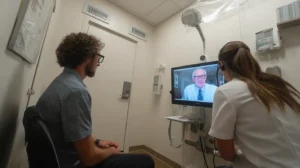
Integrating telepsychiatry into existing healthcare frameworks in rural areas requires strategic planning and execution. Begin by adopting best practices that ensure seamless integration with local health services, particularly focusing on Federally Qualified Health Centers (FQHCs) for comprehensive care models. Combining telehealth services with mobile treatment units creates a robust hybrid care model, essential for reaching underserved populations. Telepsychiatry programs report being more cost-effective than standard in-person care for approximately 60% of cases.
The advent of telepsychiatry expands access to specialist psychiatrists and psychiatric nurse practitioners, leveraging a broader talent pool that is not limited by geography. This approach not only addresses the shortage of healthcare providers but also enhances the quality of care delivered.
Post-COVID-19 regulatory frameworks have evolved to support telepsychiatry implementation, providing a conducive environment for its growth. Telehealth services increased the number of individuals receiving medications for opioid use disorder in rural areas during the COVID-19 pandemic. Executives should stay informed about these regulations to ensure compliance and maximize the potential benefits of telehealth solutions.
For further details on telehealth regulations, visit the government telehealth site.
3. Enhancing Treatment Outcomes with Telepsychiatry
Telepsychiatry has proven to be a vital tool in achieving clinical outcomes that are on par with traditional in-person care, offering a transformative approach to addressing mental health challenges, particularly in rural areas. The evidence-based effectiveness of telepsychiatry not only matches but in some instances surpasses conventional methods, significantly reducing costs and eliminating travel burdens. Additionally, it helps to break down stigma-related barriers, making it an accessible option for many who might otherwise forego treatment. Rural settings have particularly benefited from successful telepsychiatry programs, allowing for broader reach and improved access to specialized care. FasPsych’s leadership in this field exemplifies how strategic implementation can result in tangible improvements in patient outcomes. For a deeper understanding of these impacts, see our case study on successful telepsychiatry outcomes. Telehealth has been shown to be as effective as in-person treatment for many patients in addiction medicine.

4. Overcoming Barriers to Adoption
In 2026, addressing telepsychiatry adoption in rural areas requires a keen understanding of the barriers that exist, such as limited technology access and resistance to change. To overcome these hurdles, engaging with communities through education and awareness campaigns is paramount. Fostering a collaborative approach ensures stakeholders understand telepsychiatry’s benefits and practical applications.
FasPsych plays a pivotal role by offering tailored telepsychiatry solutions that cater to the unique needs of rural populations. By providing robust technological support and expert guidance, FasPsych helps streamline the transition to telehealth, ensuring seamless integration within existing healthcare frameworks. This strategic partnership not only enhances access to psychiatric care but also empowers rural healthcare providers to deliver comprehensive, innovative treatment solutions.

For more information on how FasPsych can assist in adopting telepsychiatry solutions, visit the FasPsych telepsychiatry services page.
Conclusion
In 2026, the transformative potential of telepsychiatry has become increasingly evident, particularly in addressing the pressing substance abuse challenges faced by rural communities. Rural clinics are strategically positioned to lead organizations in adopting innovative solutions that not only drive business success but also contribute to societal well-being. FasPsych stands at the forefront of this movement, offering tailored telepsychiatry services that effectively bridge the gap in rural healthcare. By partnering with FasPsych, you can enhance your organization’s impact by extending critical mental health and substance abuse treatment to underserved areas. We invite you to explore this partnership opportunity to not only meet corporate social responsibility goals but also to establish your organization as a leader in health innovation. Contact us at FasPsych to learn more about how we can collaborate in transforming rural healthcare delivery.
FAQ Section
What is telepsychiatry, and how does it work?
Telepsychiatry involves delivering psychiatric assessment and care through telecommunications technology, allowing patients to connect with specialists remotely. This facilitates timely access to mental health professionals without the need for physical travel.
Why is telepsychiatry particularly beneficial for rural areas?
Rural areas often face a shortage of healthcare providers and long travel distances to access care. Telepsychiatry mitigates these issues by providing remote access to specialists, ensuring those in underserved locations receive necessary treatment.
How can organizations overcome resistance to telepsychiatry adoption?
Engaging with the community, providing education on the benefits, and ensuring reliable technology access are key strategies to overcome resistance. Building trust and demonstrating effectiveness can further facilitate acceptance.
What role does FasPsych play in telepsychiatry for substance abuse?
FasPsych offers integrated telehealth solutions tailored to the unique needs of rural communities, supporting the adoption and implementation of telepsychiatry services. Their expertise ensures a seamless integration into existing care models.
Are there any regulatory concerns with telepsychiatry?
While regulations vary, supportive frameworks have evolved post-COVID-19, making telepsychiatry more accessible and feasible in many regions. FasPsych is well-versed in navigating these regulatory landscapes to ensure compliance.