


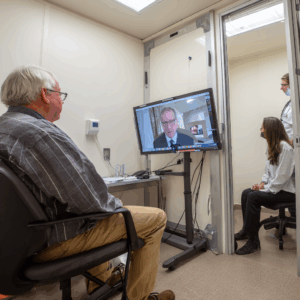
 The mental health crisis in the U.S. is escalating, with millions struggling to find timely and affordable care for both mental health and mental illness. The shortage of mental health providers is a major hurdle, especially in rural and underserved communities. In fact, there is an expected shortage of between 14,280 and 31,109 psychiatrists in the United States. Telemedicine, and specifically telepsychiatry, is transforming how community organizations are able to access essential mental health services, including comprehensive behavioral health services and behavioral healthcare, breaking down barriers of distance and time.
At FasPsych, we’re committed to bridging the gap in psychiatric care through on-demand mental health services. Telepsychiatry platforms can integrate with existing health systems and electronic health records to deliver seamless psychiatric services without disrupting current workflows, reflecting FasPsych’s role as a telepsychiatry integration provider. Contact us to learn how we can partner with your organization.
Telepsychiatry can also reduce burnout among on-site staff by up to 25%, making it a key component in solving the mental health staffing crisis.
Alarming Reality of Mental Health Provider Shortage
The US is facing a growing mental health crisis. Depression, anxiety, bipolar disorder, and substance abuse are on the rise, impacting millions of Americans. Yet, access to timely and effective mental healthcare remains a challenge for many. A key factor contributing to this crisis is the critical shortage of mental health providers across the country.
The numbers paint a stark picture. According to recent data, there’s a significant gap between the demand for mental health services and the availability of providers. This shortage is particularly acute in rural and underserved areas, where individuals often face long wait times or have to travel considerable distances to receive care. Patients often experience long wait times for psychiatric appointments due to a shortage of providers. The consequences of this shortage are dire: delayed diagnoses, untreated mental health conditions, and, in some cases, tragic outcomes.
The shortage of mental health providers impacts individuals across all age groups and demographics. Children and adolescents with mental health needs often struggle to find specialized care, while older adults face unique challenges in accessing services tailored to their needs. Additionally, racial and ethnic minorities and LGBTQ+ individuals often encounter additional barriers to care, including stigma and discrimination. Therapist availability is crucial for these populations, and a diverse network of telepsychiatry providers—including clinical social workers, licensed clinical social workers, psychiatric nurse practitioners, and medical doctors—plays a vital role in ensuring accessible and specialized care.
The COVID-19 pandemic further exacerbated the mental health crisis, leading to increased rates of anxiety, depression, and substance abuse. This surge in demand for mental health services has put immense strain on an already overburdened system. The long-term impact of the pandemic on mental health is yet to be fully understood, but it’s clear that addressing the provider shortage is more critical than ever. When choosing a telepsychiatry service, consider the qualifications and experience of the providers to ensure you receive the best possible care.
Barriers to Mental Health Care
Accessing mental health care remains a significant challenge for many individuals across the United States. Despite growing awareness of mental health issues, a range of barriers continue to prevent people from receiving the mental health services they need. One of the most pressing obstacles is the ongoing shortage of mental healthcare providers, particularly in rural areas. This scarcity often results in long wait times and limited appointment availability, making it difficult for individuals to receive timely mental health care.
Financial barriers also play a major role. While many major health insurance plans offer some level of coverage for mental health services, the extent of insurance coverage can vary widely. Some insurance providers may not cover online therapy or psychiatry services, leaving patients to pay out of pocket for essential care. Many online psychiatry platforms and telehealth services do not accept insurance, which can lead to high out-of-pocket fees that are simply unaffordable for many. This financial strain is especially acute for those living in rural communities or areas with limited access to in person care.
Stigma surrounding mental health concerns remains another significant barrier. The fear of being judged or misunderstood can discourage individuals from seeking help, causing them to delay or avoid accessing mental health services altogether. Additionally, the complexity of navigating the mental health system can be overwhelming. Understanding which services are available, what is covered by health insurance, and how to access care can be daunting, particularly for those already struggling with mental health symptoms.
Geographic location further complicates access to care. Rural areas often lack both in person and online psychiatry services due to limited internet connectivity and a shortage of mental health professionals. This forces many individuals to travel long distances to reach healthcare facilities or community health centers, adding to the time and cost involved in seeking help.
The American Psychiatric Association and other health care organizations emphasize the need to address these barriers to ensure equitable access to mental health care. Expanding the availability of mental healthcare providers, increasing insurance coverage for online therapy and psychiatry services, and reducing stigma are all critical steps toward a more inclusive mental health system. Online psychiatry services, such as those offered by Brightside Health, are helping to bridge the gap for individuals with anxiety disorders, eating disorders, and other mental health conditions. Partnering with FasPsych’s telepsychiatry solutions for diverse organizations is another way to expand reach. However, it is essential that these services remain accessible, affordable, and high-quality to truly meet the diverse mental health needs of the population.
Cultural competence is another important factor in effective mental health care. Mental health professionals must be equipped to provide care that is sensitive to the unique backgrounds and experiences of individuals from different racial, ethnic, and socioeconomic groups. By fostering trust and understanding, culturally competent care can lead to better health outcomes and more meaningful therapeutic relationships.
Ultimately, overcoming the barriers to mental health care requires a collaborative, multifaceted approach. This includes supporting primary care physicians, healthcare providers, and community health centers with telepsychiatry staffing solutions, education and resources to better address mental health concerns. By working together to expand access, improve insurance coverage, and reduce stigma, we can create a more supportive and effective mental health system for all.
On Demand Mental Health Services Offers a Lifeline
In the midst of this crisis, telemed has emerged as a way to expand access to mental healthcare, especially in areas with limited providers. This technology allows patients to connect with licensed therapists and psychiatrists remotely, using video conferencing and other online tools for on-demand psychiatry services through a comprehensive telehealth platform.
On-demand telepsychiatry platforms like FasPsych are breaking down traditional barriers to care. No longer do patients need to wait weeks for an appointment or travel long distances to see a specialist. With a few clicks, they can connect with a qualified mental health professional and receive the support they need. The initial consultation process typically involves a brief assessment or questionnaire to match patients with the most appropriate provider or plan. If the initial match is not a good fit, many platforms allow for easy switching between providers. This is particularly beneficial for individuals in rural areas where shortages are extreme, or for those with limited mobility or who are restricted by incarceration, especially when organizations partner with FasPsych for innovative telepsychiatry solutions.
Telepsychiatry allows these individuals to access psychiatric evaluations, medication management, and therapy sessions remotely. Services often include online therapy services, therapy services, and talk therapy, as well as the ability to prescribe medication and manage prescription medications. Ongoing care is supported by regular follow-up appointments, which are essential for continuity of treatment and effective medication management. When considering affordability and access, it’s important to check if the telepsychiatry service accepts your insurance plan, insurance provider, or insurance company, and whether it partners with major health plans. Many platforms also offer the option of paying out of pocket if insurance coverage is unavailable, and some provide financial aid. Assessing the affordability of the service, including insurance acceptance and financial aid options, is crucial. Additionally, evaluating the ease of use and navigation of a comprehensive telepsychiatry service ensures a smooth user experience.
Compared to traditional care, telepsychiatry can complement the role of a primary care doctor and may be preferable to in person psychiatry or in person treatment for some, though in-person care remains important for comprehensive evaluations, physical examinations, or urgent care needs. Leveraging accessible telepsychiatry services and behavioral health staffing can help organizations balance virtual and in-person resources effectively.
Positive Patient Outcomes Via Telepsychiatry
Multiple studies have confirmed the positive impact of on demand virtual mental health services. Research indicates that teletherapy for conditions such as depression and anxiety can be as effective as in-person therapy. Patients often report high levels of satisfaction with the convenience and accessibility of these virtual sessions.
HelpGuide’s editorial staff surveyed real users and personally tested and reviewed the best virtual psychiatry platforms, rating them based on quality of care, affordability, privacy, and user experience. The team also analyzed pricing models, cancellation policies, platform certifications, and HIPAA compliance to help identify which services offer the best value and safest user experience, which are many of the same factors emphasized in FasPsych’s telepsychiatry and integrated telehealth solutions.
Telepsychiatry has also been shown to improve treatment adherence. The ease of attending appointments from home can encourage individuals to stick with their treatment plans, leading to better long-term outcomes. Additionally, on-demand telepsychiatry services can reduce the stigma associated with seeking mental health care, as patients can access services privately and discreetly.
Some may worry about the quality of care provided through a screen, but studies suggest that therapeutic rapport and trust can be established effectively through video sessions. Further, the use of secure, integrated telepsychiatry platforms ensures patient confidentiality and privacy, with HIPAA compliance being a critical factor in protecting sensitive health information.
Online psychiatry platforms vary in the type of providers they offer, as well as quality of care and overall reliability. For example, Talkspace scored highly in user satisfaction, with 91 percent of users recommending the service to a friend or colleague. Talkiatry’s greatest strength is the quality of psychiatric care provided and value for money, with 90 percent of users recommending the platform. Brightside Health offers very short wait times for appointments, often providing same- and next-day appointments. MD Live offers virtual medical care across the United States, including mental health services, and accepts major health insurance plans. Doxy.me is a secure telemedicine platform that offers a free HIPAA-compliant subscription option for individual clinicians, while FasPsych’s telepsychiatry and integrated telehealth solutions focus on scalable, organization-wide virtual psychiatry coverage.
Platforms that automate operations can increase throughput, allowing fewer staff to see more patients and helping to address mental health staffing shortages, especially when combined with telepsychiatry-based solutions to the mental health staffing crisis.
Access Essential On Demand Mental Health Services Now
Partner with FasPsych and give your organization access to essential on-demand mental health services. Together, we can navigate the challenges of the mental health crisis and ensure everyone has the support they deserve. Our telepsychiatry platform breaks down barriers to care, providing convenient, confidential, and effective support when it’s needed most. Contact FasPsych to get started. Contact us now to learn more.