


 “Just a broken guy, got a few screws loose, I guess. Never really knew it until now.”
Those were the words of Richard Russell, the Horizon Air ground service agent who stole a plane from Seattle-Tacoma International Airport on August 10, 2018, and later crashed it intentionally. His story is extreme. The underlying reality is not.
On the recent anniversary of the event, #SkyKing resurfaced strongly across social media. People shared the ATC audio, posted memorials, and again discussed the mental health issues at the center of the tragedy, as seen in this widely shared anniversary post. High-functioning people who appear stable can quietly reach crisis without clear warning signs.
The Problem of Invisible Distress
Mental health crises rarely announce themselves. Many people experiencing depression, anxiety, or suicidal ideation continue meeting external expectations. They show up, complete tasks, and give the impression that everything is under control.
In hospitals, emergency departments, clinics, and other treatment settings, the same pattern appears daily. A patient who seems “not that bad” or who minimizes symptoms can be one missed opportunity away from escalation. Clinicians and care teams often see outward reliability rather than underlying risk.
Why These Crises Keep Slipping Through
Several systemic factors make early detection and response difficult:
- Stigma and silence. Many people, especially men, still view seeking help as weakness.
- Psychiatrist shortages. The U.S. faces a persistent and projected worsening shortage of psychiatrists. Supply is expected to decline slightly while demand rises substantially, with workforce adequacy projected to fall sharply by 2038, according to recent workforce projections reported by Psychiatric News. As of late 2025, roughly 40% of the U.S. population lived in a Mental Health Professional Shortage Area, per the HRSA Behavioral Health Workforce Brief.
- Access delays. Wait times for psychiatric evaluation can stretch for weeks. In emergency departments, psychiatric boarding remains common. Behavioral health emergencies account for roughly one in eight ED visits, and patients often wait many hours for assessment.
- Fragmented systems. High-functioning individuals may not meet criteria for immediate inpatient care, yet they still need timely evaluation and medication management.
Without flexible coverage, patients and the medical facilities trying to serve them fall into gaps.
How On-Demand Telepsychiatry Helps Close the Gap
Telepsychiatry does not eliminate stigma or instantly solve workforce shortages. It does remove key logistical barriers that delay care.
 When hospitals, emergency departments, clinics, residential treatment programs, and other medical facilities have access to on-demand or scheduled telepsychiatry coverage, practical advantages appear:
- Rapid psychiatric evaluation becomes possible without waiting for an in-person specialist.
- Medication management and treatment planning can begin sooner.
- Clinical teams gain a reliable resource for complex presentations.
- Coverage can scale for nights, weekends, and surge periods without the fixed cost of full-time employed psychiatrists in every location.
These capabilities matter most for the “high-functioning but struggling” presentations that are easy to underestimate. A patient who might otherwise leave with a follow-up appointment weeks away can instead receive same-day assessment.
What Medical Facilities Can Do
Healthcare organizations that partner with telepsychiatry staffing networks gain flexibility traditional hiring models struggle to match. Rather than competing for a limited pool of psychiatrists, hospitals, clinics, and treatment facilities can access a broader network of licensed providers through secure video platforms.
This model supports both scheduled clinics and true on-demand coverage for crisis or after-hours needs. Facilities can also tailor the mix of providers—psychiatrists, psychiatric nurse practitioners, and other behavioral health clinicians—to the patient populations they serve.
The goal is not simply more appointments. It is creating reliable pathways so that when a patient finally reaches the point of recognizing their distress, a competent clinical response is available.
Closing the Gap Before the Crisis Peaks
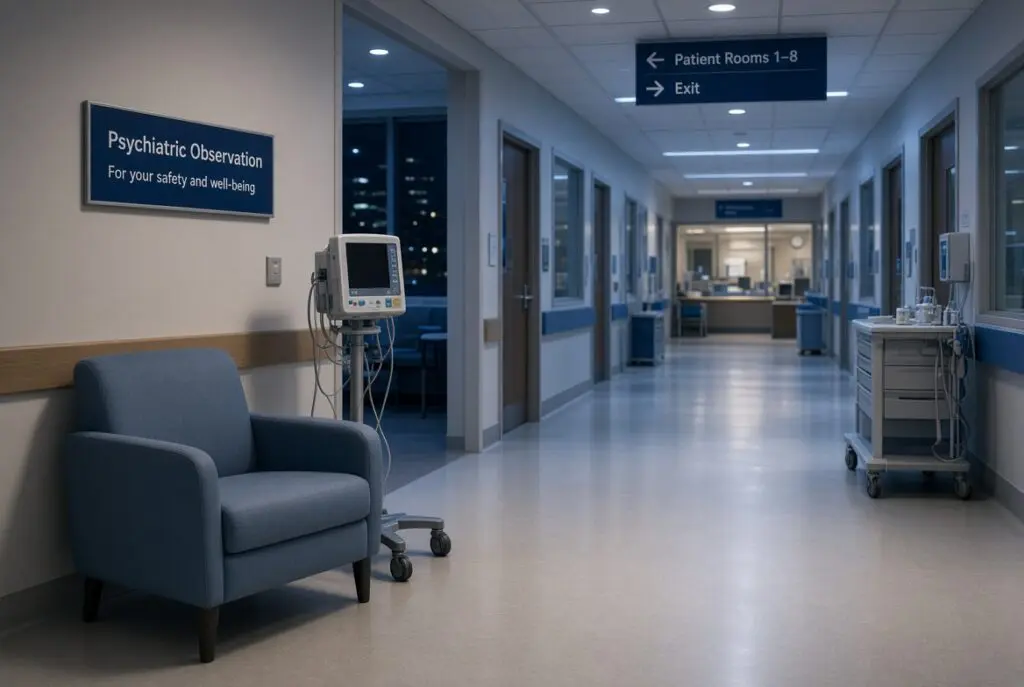
Richard Russell’s final words remain a stark reminder that mental health crises do not always look dramatic until they suddenly do. The renewed attention around the anniversary, visible in the return of #SkyKing discussion, shows how the story continues to resonate. Many people continue functioning while internal pressure builds.
For medical facilities, the practical question is whether their systems can respond when that pressure becomes visible—or whether patients are left waiting in the gaps created by shortages, stigma, and delayed access.
On-demand telepsychiatry staffing is one of the most direct tools available to narrow those gaps. It gives hospitals, emergency departments, clinics, residential programs, and other treatment settings a realistic way to provide timely psychiatric evaluation and treatment when patients need it most.
FasPsych partners with medical facilities and behavioral health treatment organizations to deliver flexible telepsychiatry staffing. If your hospital, clinic, emergency department, or treatment program is looking for psychiatric coverage that helps catch distress earlier and reduce the risk of preventable escalation, we are ready to discuss how our network can support your patients and clinical teams.
Frequently Asked Questions
What is on-demand telepsychiatry? On-demand telepsychiatry provides rapid access to licensed psychiatrists and psychiatric nurse practitioners via secure video when a medical facility needs an evaluation, medication management, or crisis support. Coverage can be activated as needed rather than requiring a full-time employed psychiatrist on site at all times.
Who does FasPsych partner with? FasPsych works exclusively with medical facilities and behavioral health treatment organizations, including hospitals, emergency departments, clinics, residential treatment programs, community mental health centers, and similar care settings. We do not partner directly with private companies seeking mental health services for their employees.
How does telepsychiatry help with high-functioning or less obvious mental health crises? Many patients present as stable or minimize symptoms. Timely access to a psychiatric evaluation allows clinical teams to assess risk earlier, clarify diagnosis, and start appropriate treatment before a situation escalates. On-demand coverage helps facilities respond when these less dramatic but still serious presentations appear.
Can telepsychiatry reduce psychiatric boarding in the emergency department? Yes. When emergency departments have reliable access to psychiatric consultation, patients can be evaluated more quickly. This often shortens length of stay, supports better disposition decisions, and reduces the time patients spend waiting in the ED for behavioral health assessment, as discussed in this Psychiatric Times overview of boarding.
What types of providers are available through FasPsych? FasPsych maintains a network of board-certified psychiatrists, psychiatric nurse practitioners, and other qualified behavioral health clinicians. Facilities can request the provider mix that best matches their patient population and clinical needs.
Is telepsychiatry appropriate for crisis situations? Telepsychiatry is widely used for crisis evaluations, urgent assessments, and medication decisions in hospitals and emergency settings. It allows qualified providers to assess patients in real time and collaborate with the on-site clinical team.
How quickly can a facility begin using telepsychiatry coverage? Many organizations can implement coverage relatively quickly once credentialing, technology, and workflow requirements are addressed. FasPsych works with each facility to match the timeline and staffing model to operational needs.
If you or someone you know is in crisis, help is available. Call or text 988 (Suicide & Crisis Lifeline) or visit 988lifeline.org.