
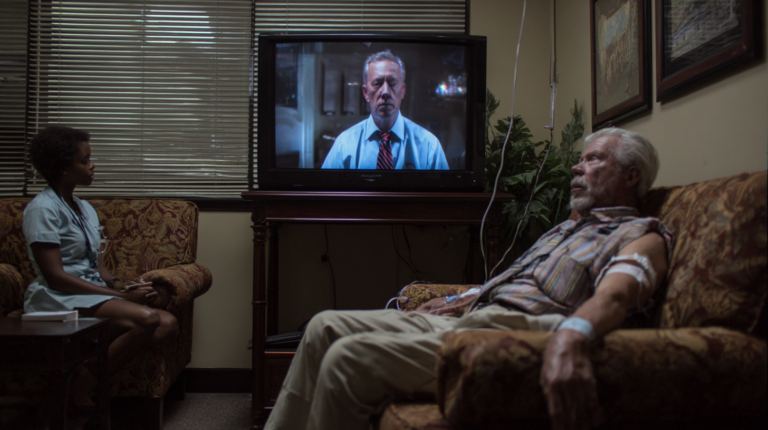

 Geriatric telepsychiatry is the remote delivery of specialized psychiatric care to adults over age 60 using secure, high-definition video conferencing or phone consultations. This treatment modality brings psychiatric assessment, medication management, and ongoing therapy directly to nursing homes, assisted living communities, skilled nursing facilities, FQHCs, and primary care clinics.
This article covers what geriatric telepsychiatry is, how it works in real facilities, and how FasPsych supports organizations serving the elder population.
The field accelerated after 2010, with major growth during the COVID-19 public health emergency (2020–2023) when CMS reimbursement changes and relaxed telehealth rules expanded access. By 2030, all Baby Boomers will be 65 or older, yet there is a national shortage of board-certified geriatric psychiatrists in the U.S., with fewer than 1,400 available. Telepsychiatry helps mitigate this gap by connecting patients in rural areas to experts who may not be available locally.
FasPsych focuses on B2B telepsychiatry partnerships and virtual psychiatric services rather than direct-to-consumer apps, positioning as an extension of existing care teams for older adults living in long-term care settings.
How Geriatric Telepsychiatry Reduces Transportation Burdens and Stress
Consider a nursing home resident with congestive heart failure and severe arthritis. Getting to an off-site psychiatry appointment means hours of waiting for transport, physical exhaustion, and heightened fall risk. Elderly patients with chronic conditions often find transportation to mental health appointments exhausting or impossible, which can exacerbate their mental health issues.
Transportation barriers for seniors include:
Fatigue and chronic pain limiting mobility
Cognitive impairment requiring staff escorts
Ambulance or wheelchair van costs
Facility disruption and staffing strain
Telepsychiatry addresses barriers that seniors face when seeking mental health care, including travel challenges and limited mobility. Telepsychiatry allows elderly patients to receive care from the comfort of their own care facilities, significantly reducing the stress associated with travel.
Research confirms that older adults achieve comparable improvements in depression and anxiety symptoms through telepsychiatry, with high satisfaction for convenience, video quality, and privacy.
Enhancing Accessibility to Telehealth Services with Large-Screen, Senior-Friendly Technology
Device choice matters for older patients with low vision, hearing loss, or motor difficulties—this is not just Zoom on a phone.
Facilities typically use large-screen technology common in nursing homes and hospital units:
TV-sized monitors or 24–32 inch displays
Conference room screens with wide-angle cameras
External speakers or soundbars for hearing-impaired residents
High-contrast video settings and adjustable font sizes on EHR forms
Cameras positioned at eye level for natural conversation
Staff—not patients—handle log-ins, audio levels, and camera adjustments, helping geriatric patients connect to the visit and ensure the setup is safe and easy to use. This approach increases engagement, builds trust among seniors who consider themselves “not good with technology,” and improves comfort and reliability for older adults who are not confident with technology.
Barriers to widespread adoption include low digital literacy among seniors and limitations in Medicare reimbursement in certain areas. However, with proper technical support and specialized adult psychiatry services delivered via telehealth, these obstacles become manageable.
Normalizing Behavioral Health Services by Integrating Them into Routine Medical Visits
Many older adults grew up when “seeing a psychiatrist” carried stigma implying severe illness. Geriatric telepsychiatry effectively integrates into existing medical visits or facility routines, which helps normalize treatment and encourages follow through among older adults.
Common integrated workflows include:
A nurse flags mood or behavior changes using PHQ-9 or GAD-7 screening
A primary care provider orders a telepsychiatry consult
The visit occurs in the same exam room as other appointments, while also supporting care between office visits and reducing unnecessary trips back to the clinic
Family members can join sessions via the same large-screen platform, observe improvements, and reinforce coping strategies between visits. Primary care providers and social workers gain direct access to psychiatric consultation. Telephone follow-up can also support scheduling or brief check-ins when needed.
FasPsych prioritizes continuity by assigning the same psychiatrist or psychiatric nurse practitioners to facilities over time, creating familiar relationships rather than one-off encounters.
The Intersection of Aging, Chronic Disease, and Mental Health
Depression, anxiety, dementia, and substance use disorders commonly coexist with chronic physical illnesses like heart disease, COPD, diabetes, hypertension, and neurodegenerative conditions. Telepsychiatry can help manage a range of mental health issues in older adults, including depression, anxiety, grief, early-stage dementia, and sleep issues.
About 85% of the geriatric population has at least one chronic condition.
Physical limitations trigger or worsen mood symptoms, while untreated mental health conditions reduce adherence to cardiac medications, diabetes regimens, or rehab programs. This creates a vicious cycle:
Poor mental health leads to missed appointments and nonadherence
Medical conditions worsen
Emotional distress deepens
Telepsychiatry can effectively address the high prevalence of co-occurring mental and physical health issues in seniors, providing timely specialist intervention through expert psychiatric medication management to reduce polypharmacy risks. Early screening for cognitive change, suicidality, and substance misuse—especially after falls, strokes, or bereavement—creates opportunities for earlier intervention to improve outcomes and slow this cycle.
Facilities should adopt standardized tools (PHQ-9, GAD-7, brief cognitive screens) integrated into their EHR to automatically trigger referrals when scores cross set thresholds.
Medication Management and Polypharmacy Risk in Older Adults
Polypharmacy is a central patient-safety concern in long-term care, not just an academic issue. Older adults are particularly vulnerable to polypharmacy, which is the use of five or more medications simultaneously, increasing the risk of drug interactions and adverse effects.
Residents may take 10+ medications daily. Layering psychiatric drugs increases risks of:
Falls and sedation
Delirium and cognitive impairment
QT prolongation
Drug-drug interactions
Inappropriate polypharmacy in older adults significantly increases the risks of falls, cognitive impairment, and hospitalizations. Board certified psychiatrists and psychiatric NPs perform detailed medication reconciliations via telehealth, reviewing EHR lists, PRN usage, lab values, and staff observations.
Telepsychiatry can effectively manage medication side effects in older adults, addressing issues related to mood, cognition, and adherence to medical regimens. Better follow-up can improve adherence for each person and support medication management in addition to symptom monitoring. Deprescribing strategies include tapering unnecessary agents, avoiding duplicative drug classes, and aligning with CMS and AGS practical guidelines on antipsychotic use in dementia.
FasPsych focuses on measurable outcomes—reduced fall rates, fewer behavioral emergencies, and less off-label antipsychotic use—supporting both clinical quality and survey readiness, since untreated medication problems can become costly when they lead to falls, behavioral emergencies, or hospitalization.
FasPsych’s Integrated Geriatric Care and Telepsychiatry Models for Facilities
Since 2007, FasPsych has partnered with more than 130 healthcare and community organizations nationwide to deliver adult and geriatric care through telepsychiatry in community mental health centers, nursing homes, correctional facilities, educational settings, and integrated health systems.
The integration of telepsychiatry into long-term care facilities allows for the delivery of psychiatric services without the need for on-site specialists, addressing the shortage of geriatric psychiatrists and aligning with FasPsych’s role as a telepsychiatry integration provider.
The clinical team includes:
Licensed psychiatrists trained in geriatric psychiatry
Board-certified psychiatric NPs
Dual-licensed providers who can provide both physical and mental health care via telemedicine
Partnership models include scheduled half-day or full-day telepsychiatry blocks, on-call coverage for crises, and stepped-up support for high-acuity units. FasPsych clinicians chart directly in the facility’s existing EHR, aligning with local templates and fitting into current workflows without adding burden to existing care teams. Facilities may also coordinate remote monitoring or other telehealth services when broader geriatric care needs require it.
Flexible payment structures—per visit, per hour, or per dedicated day—allow small rural facilities and large multi-site systems to right-size services without committing to full-time local hires, which is critical when choosing the right telepsychiatry partner for long-term success
Operational and Clinical Benefits for Partner Organizations
Geriatric telepsychiatry helps administrators, medical directors, nursing leaders, and front-line clinicians through:
Clinical benefits:
Earlier intervention for mood and behavioral changes by helping teams track changes sooner across the course of care
Fewer avoidable ED transfers for agitation or suicidality
Better management of dementia-related symptoms
Regular virtual check-ins help detect mental health deterioration early, allowing earlier intervention that can reduce costly escalations and improve coordination across services.
Operational benefits:
Reduced reliance on expensive locum tenens psychiatrists
Easier recruitment by offloading high-complexity cases
Smoother survey readiness regarding psychotropic use
Staff experience:
Direct access to psychiatric consultation for medical professionals
Education on de-escalation and nonpharmacologic strategies
Support with challenging family meetings
Patient and family satisfaction:
Predictable access to specialized care
Ability to involve out-of-town caregivers via HIPAA compliant platforms
Visible improvements in quality of life and participation
Telepsychiatry enhances care coordination by enabling specialists to participate in multidisciplinary team meetings with primary care providers and caregivers.
Implementing Geriatric Telepsychiatry with FasPsych
FasPsych acts as an implementation partner, not just a staffing vendor, guiding facilities from first conversation through go-live with a step-by-step telepsychiatry implementation approach
Typical onboarding steps:
| Phase | Activities |
|---|---|
| Needs Assessment | Census review, case mix analysis, coverage gap identification |
| Technology Review | Bandwidth testing, room setup, privacy verification |
| Workflow Mapping | Referral triage, scheduling protocols, team communication |
| Training | Staff education on consult triggers, patient prep, documentation |
| Clear workflows define who schedules visits, how referrals are triaged, which staff join sessions, and how recommendations reach the primary team. | Change management and staff training yield high adoption and sustained outcomes. |
The most cutting edge research and cutting edge research in this field suggests practical guidelines for compassionate, effective care delivery across diverse settings—from a South Carolina school system to urban health care clinics.
Ready to expand greater access to quality psychiatric care for your residents? Contact a FasPsych Implementation Specialist for a customized geriatric telepsychiatry program, including a timeline, coverage model, and integration approach tailored to your facility’s census, case mix, and existing services.