


“Ich lebe in permanenten Worst-Case-Szenarien.” (“I live in permanent worst-case scenarios.“) Dieter Bohlen, the German pop icon turned financial strategist, shared this mindset in a 2025 interview while discussing risk planning. His approach—anticipating the worst to prevent it—offers a powerful lesson for general practitioners (GPs) managing psychiatric medications. With over 70% of psychotropic prescriptions now written in primary care, the stakes are higher than ever. This trend highlights the increasing responsibility of GPs in prescribing prescription drugs, particularly those with significant risks in psychiatric care. More than 60% of psychotropic medications are prescribed by providers other than psychiatrists or psychologists, underscoring the critical role of GPs in this area. Training and expertise in psychiatry can be limited among general practitioners who prescribe psychotropic medications, necessitating collaboration for appropriate care. GPs must carefully manage each psychotropic drug, considering the potential for misuse, dependency, and adverse effects. Different medication classes—such as SSRIs, SNRIs, benzodiazepines, and antipsychotics—require tailored approaches based on their efficacy and safety profiles.
Disclaimer: The following clinical scenarios are for educational and demonstrative purposes only and do not constitute medical advice. Always consult a qualified psychiatrist for individualized treatment decisions.
Why Primary Care Physicians Face High Risk in Psychiatric Medication Management
General practitioners increasingly prescribe SSRIs, benzodiazepinesantipsychotics, and mood stabilizers due to limited mental health access. This makes risk management strategies essential for GPs, especially when prescribing medications such as benzodiazepines, narcotic analgesics, and psychostimulants. Between 2016 and 2019, general practitioners prescribed 43.5% of all psychotropic medications, highlighting their significant role in mental health care. Psychiatrists prescribed 33.5% of psychotropic medications in the same period. Implementing proper risk management, including multidisciplinary collaboration and thorough documentation, helps mitigate adverse outcomes and misuse potential.
While convenient for patients, this trend exposes GPs to rare but severe adverse events—many of which carry significant liability. Patient safety should be a primary concern when managing psychiatric medication in primary care, with careful monitoring to reduce medication errors and prevent adverse drug events. Among adults aged 65 and older, general practitioners accounted for a larger proportion of prescribing at 57.8%. Older adults are more susceptible to adverse effects from psychiatric medications due to slower drug metabolism, making informed consent and vigilant monitoring even more critical. Patients can experience increased suicidal thoughts and behaviors, particularly those under 25, who may be sensitive during initial treatment or dose adjustments. Obtaining informed consent from patients before initiating psychotropic medications is necessary, particularly given the potential for severe adverse events and the ethical obligation to ensure patient understanding.
Managing Chronic Conditions in Psychiatric Care
Patients living with mental illnesses, especially those diagnosed with serious mental illness, frequently face a double burden: managing both psychiatric disorders and chronic physical health conditions. Primary care physicians are often on the front lines, responsible for coordinating care that addresses both mental health and comorbidities such as diabetes, hypertension, and cardiovascular disease. The effectiveness and tolerability of psychotropic medications can vary drastically from person to person due to factors like genetics and existing medical conditions. Patients with serious mental illness may experience a considerable reduction in life expectancy compared to the general population, with comorbidities like cardiovascular disease being a leading cause of death.
The use of psychotropic medications—including antipsychotic medications—can significantly impact physical health. Second generation antipsychotics, for example, are well known to increase the risk of metabolic syndrome, weight gain, and glucose intolerance. Atypical antipsychotics can also increase the risk of significant weight gain, high cholesterol, and type 2 diabetes, necessitating regular monitoring. Psychiatric medications can cause side effects ranging from mild issues like nausea and drowsiness to severe complications such as metabolic syndrome and increased risk of suicidal thoughts in younger patients. Adverse drug events from psychiatric medications can lead to emergency room visits and lower medication adherence. These adverse effects can exacerbate existing chronic conditions or even trigger new ones, making vigilant monitoring essential.
Best practice in primary care settings involves routine assessment of vital signs and metabolic parameters. Regularly tracking weight, blood pressure, fasting glucose, and lipid profiles is critical for early detection of adverse drug reactions and for preventing long-term complications. Non-adherence to psychotropic medications is a significant issue, with rates as high as 97.8% reported in some studies. Integrating this monitoring into the medical record ensures continuity of care and supports informed decision-making when adjusting prescribed medication.
For patients with serious mental illness, a collaborative approach between mental health providers and primary care physicians is vital. Coordinated care not only improves outcomes for mental health conditions but also reduces the risk of hospitalizations and mortality from chronic physical illnesses. By staying proactive in medication management and physical health monitoring, primary care teams can help mitigate the risks associated with psychotropic medications and deliver comprehensive, patient-centered care.
Worst-Case Scenario 1: Benzodiazepine Withdrawal Syndrome
- Trigger: Abrupt discontinuation after ≥4 weeks of use
- Pathophysiology: GABA-A receptor downregulation → hyperexcitability
- Symptoms: Rebound anxiety, insomnia, seizures, delirium
- Risk Peak: Short-acting agents (e.g., alprazolam)
- Outcome: Status epilepticus (rare but fatal)
Long-term benzodiazepine use can lead to substance abuse and dependency, which further complicates withdrawal management.
Worst-Case Scenario 2: Tardive Dyskinesia (TD)
- Cause: Tardive dyskinesia is a risk associated with long-term use of antipsychotic drugs due to prolonged D2 receptor blockade
- Risk Rate: ~5% per year with typical antipsychotics
- Presentation: Involuntary facial/limb movements
- Reversibility: Only ~50% resolve after drug cessation
- Red Flag: New twitching after 3+ months of use
Worst-Case Scenario 3: Neuroleptic Malignant Syndrome (NMS)
- Triggers: Rapid dose increase, dehydration, typical antipsychotics. Drug interactions with other medications can also increase the risk of developing neuroleptic malignant syndrome.
- Classic Tetrad: Fever >38°C, rigidity, confusion, autonomic instability
- Labs: CK >1,000 U/L, leukocytosis
- Mortality: ~10% despite ICU care
Additional High-Risk Psychotropic Medication Complications
| Condition | Key Trigger | Hallmark Sign |
|---|---|---|
| Serotonin Syndrome | SSRI + MAOI/triptan/tramadol | Clonus, hyperreflexia |
| Lithium Toxicity | Dehydration + NSAID/ACEi | Coarse tremor → seizure |
| Anticholinergic Delirium | TCA overdose | “Hot as a hare, dry as a bone” |
| QTc Prolongation | Citalopram >40 mg, IV haloperidol | QTc >500 ms |
Serotonin syndrome and QTc prolongation are important risks in the treatment of major depressive disorder and anxiety disorders. There is also a risk of panic disorder being mismanaged with inappropriate medication choices. Depressive symptoms and mood disorders are common indications for these medications, but require careful monitoring for adverse effects. The risk of potentially inappropriate prescribing is especially high in elderly or medically complex patients.
Telepsychiatry Integration: Reduce Liability, Improve Safety
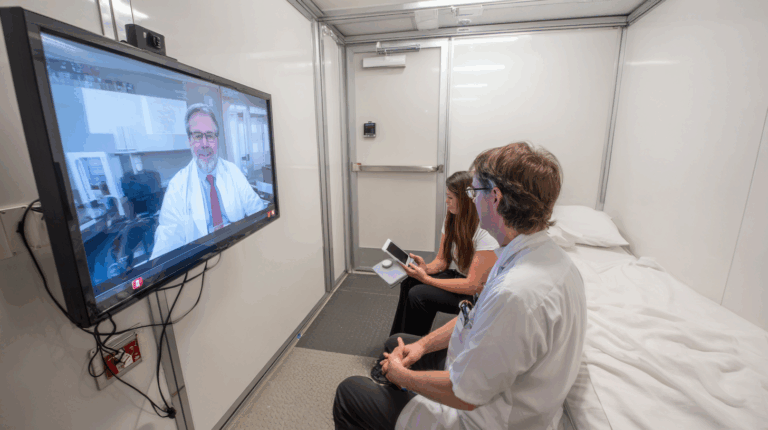
These high-stakes scenarios highlight why GPs should not manage complex psychiatric medications alone Telepsychiatry integration allows real-time collaboration with board-certified psychiatrists, reducing:
- Medication errors
- Adverse drug events (by up to 30%)
- Malpractice exposure
Nurse practitioners and physician assistants also play key roles in collaborative psychiatric care, especially in integrated care models and telepsychiatry. Integrating mental health services and psychiatric services into primary care through telepsychiatry improves access and continuity of care. The mental health services administration provides regulatory guidance and support for these integrated care approaches.
By delegating prescribing authority to specialists, GPs lower their professional liability while maintaining patient continuity
Financial & Licensing Consequences of Psychiatric Medication Errors
| Consequence | Impact |
|---|---|
| Malpractice Settlement | $300K–$1M+ per case |
| Legal Fees | $50K–$150K upfront |
| Insurance Premium Increase | 20–50% post-claim |
| License Suspension | 6–24 months (zero income) |
| Criminal Charges | Felony for controlled substance mismanagement |
Prescribing patterns that deviate from accepted standards can increase the risk of legal and financial consequences for providers. High volumes or inappropriate types of prescription medications are often involved in malpractice cases, and prescription drug misuse or errors remain a common source of liability. A single tardive dyskinesia lawsuit can trigger state board investigation, reputation damage, and permanent career impact
FasPsych: Expert Telepsychiatry & Remote Medical Director Solutions
FasPsych.com has delivered telepsychiatry services to over 130 healthcare organizations for nearly 20 years. Their services are provided by a team with extensive clinical experience and include professionals from various medical specialties. FasPsych’s approach is grounded in clinical psychopharmacology best practices, ensuring evidence-based care. They collaborate with public health services and align their protocols with national institute guidelines. Their services include:
Medication Management Services
- Virtual evaluations & prescribing by psychiatrists & PMHNPs for comprehensive psychotropic medication management and drug safety oversight
- Ongoing monitoring for withdrawal, TD, NMS, and more, including regular review of psychotropic drugs for safety and efficacy
- Tracking and reviewing medications prescribed to ensure best practices and adherence to drug safety protocols
- Seamless EHR integration and HIPAA-compliant documentation
Remote Medical Director
- Part- or full-time psychiatric leadership
- Oversight of utilization review, compliance, and quality, including regular systematic review of prescribing practices
- Commitment to supporting future research and further research in psychiatric medication safety and effectiveness
- Ideal for FQHCs, private practices, and correctional facilities
- Onboarding in 2–6 weeks
Visit https://faspsych.com/partner-with-us/ to schedule a consultation. For information about how your data is handled, see our Privacy Policy.
Conclusion: Turn Worst-Case Thinking into Best-Practice Protection
Like Dieter Bohlen’s contingency planning, telepsychiatry via FasPsych is your practice’s “packed suitcase.” Protect your license, reduce financial risk, and deliver safer mental health care—before the worst case arrives.
FAQ: Psychiatric Medication Risks & Telepsychiatry for General Practitioners
1. What is the most dangerous psychiatric medication side effect for GPs to miss?
Neuroleptic Malignant Syndrome (NMS) – 10% mortality, triggered by antipsychotics. Early recognition is critical.
2. Can tardive dyskinesia be reversed?
Only in ~50% of cases. Early detection via AIMS screening is essential.
3. How does telepsychiatry reduce GP liability?
Psychiatrists assume prescribing responsibility, lowering negligence risk in medication-related claims.
4. What are average malpractice costs for psychiatric drug errors?
Settlements range from $300,000 to over $1 million, plus legal fees and premium hikes.
5. How fast can FasPsych onboard a remote psychiatrist?
Typically 2–6 weeks, with flexible part- or full-time options.
6. Is telepsychiatry covered by insurance?
Yes—most plans, including Medicare and Medicaid, reimburse telepsychiatry at parity with in-person visits.
7. Do GPs need special training to use FasPsych?
No. FasPsych integrates into existing workflows with one-click documentation and full support.
Ready to reduce risk and improve care? Contact FasPsych Today via web or call 877-218-4070 – Your telepsychiatry partner in safe psychiatric medication management.